Choosing the Right Apparel Blanks for Print on Demand [Comparison Guide]

Ready to get your print on demand products looking sharp and professional? Picking the right apparel blanks is a key step that affects your product quality, brand reputation and ultimately your profits.
This guide breaks down everything you need to know from fabric types to brand options to make smart choices that fit your business goals.
If you want to get a solid start on your print on demand journey, check out this How to Start Print on Demand Business guide. It covers the basics and sets you up for success while you fine tune your blank selections.
Choosing the right apparel blanks is one of the smartest moves you can make for your print on demand business.
The quality of your blanks directly affects the look, feel and durability of your products. This impacts how customers see your brand and whether they come back for more.
Making the right pick isn’t just about style it’s about setting your business up for lasting profit. From fabric feel to fit each choice plays a part in your product’s success.
If you're ready to learn how to create standout products you might also find value in this guide on how to make stickers online as an added way to expand your print on demand offerings.
Watch This to Pick the Perfect T-Shirt (Printful T-Shirt Comparison)
Understanding Apparel Blanks for Print on Demand
Before you dive into choosing your apparel blanks it helps to understand what they actually are and why they matter. Apparel blanks are the plain unprinted clothing or accessories you start with in the print on demand process.
Think of them as the blank canvas for your designs. Without a great blank, even the most eye catching graphic can fall flat once printed.
Choosing the right apparel blanks affects everything from how your print turns out, to the comfort your customers experience and even how your brand is perceived.
When you select quality blanks you ensure your printed products look sharp, last longer and keep your buyers happy.
It’s not just about having a shirt or hoodie; it’s about creating a product that people want to wear and recommend.
What Are Apparel Blanks?
Apparel blanks are ready made garments without any decoration. These can include:
- T-shirts
- Hoodies and sweatshirts
- Hats and caps
- Tank tops
- Sweatpants and joggers
Each type is designed for a particular style or purpose. For example a soft tri-blend t-shirt offers a different feel than a heavy cotton hoodie.
The choice of blanks determines the kind of printing techniques you can use and how well your design holds up over time.
Why Apparel Blanks Matter in Print on Demand
The print on demand model relies on printing designs directly onto these blanks after an order is placed.
Since there's no inventory of pre-printed items blank quality must be spot-on. Here's why it counts:
- Printing Quality: The fabric type affects print vibrancy and durability. Some materials hold ink better or allow for sharper details.
- Customer Experience: Soft well fitting garments increase satisfaction and reduce returns which is great news for your business reputation.
- Brand Image: Your blanks are part of your brand. Cheap or uncomfortable options make customers think twice about buying again.
- Profit Margins: Quality blanks cost more but they reduce problems and boost reviews that drive future sales.
Choosing the right blanks means balancing price with quality and the style your target customers want.
This balance plays a huge role in your print on demand business success and reputation.
Common Types of Apparel Blanks
Depending on your niche or target market you’ll want to explore different blank options. Here’s a quick look at popular choices:
- T-Shirts: The most popular POD item. Available in multiple fabric blends like 100% cotton or tri-blend. Ideal for almost any design style.
- Hoodies and Sweatshirts: Perfect for cooler weather and usually heavier fabric. Prints can be more subtle or bold.
- Caps and Hats: A bit trickier as printing spots are smaller. Great for logos or simpler designs.
- Tank Tops: Popular in warmer seasons or fitness niches usually lightweight and comfortable.
- Sweatpants and Joggers: Emerging POD favorites especially for activewear collections.
Each item demands attention to fabric weight, fit and printing compatibility to give your customers the experience they expect.
You can’t just pick the cheapest blank and expect great results.

Photo by Mr. Mockup
For a deeper breakdown on product quality and profitability in print on demand exploring a guide like the Print on Demand Profitability Guide can help you make smarter business decisions.
Key Factors to Consider When Selecting Apparel Blanks
Choosing the perfect apparel blanks is like setting the foundation for a house it needs to be strong and suited for what you're building.
When you're focusing on print on demand, picking the right blank can make or break your product.
So what should you keep your eye on? Let’s break down the factors that matter most to get your POD offerings spot on.
Fabric Types and Quality
The fabric you choose impacts everything from how your design looks to how comfy your customers feel when wearing the final piece.
Here’s a quick look at popular fabric choices and their fit for POD:
- Cotton: The classic choice. It’s soft, breathable and natural which makes it great for screen printing and direct to garment (DTG) printing. Cotton holds ink well giving vibrant colors but 100% cotton shirts might shrink slightly after washing. Combed cotton variants improve softness and reduce fuzz.
- Polyester: Known for durability and wrinkle resistance, polyester is ideal for sublimation printing where inks turn into gas and bond with synthetic fibers. However pure polyester isn’t great for DTG or screen printing because it doesn’t absorb ink well. It’s also less breathable than cotton which may affect comfort.
- Blends (Cotton/Polyester): Blends like 50/50 or tri-blends offer a balance of softness, stretch and durability. These fabrics usually work well for screen printing and DTG but the final look can vary depending on the ratio. Tri-blends (cotton, polyester, rayon) score high on comfort and style but might cost more.
- Specialty Textiles: Materials like organic cotton, bamboo or performance fabrics can add a premium touch or eco-friendly branding. These are usually pricier and may need special handling but can appeal to niche markets.
Each fabric plays differently with printing techniques. For example sublimation demands polyester blends while DTG loves soft, light colored cotton.
For an in-depth review on fabric types and their uses this fabric types guide by Printify is a great resource.
Fit, Sizing and Style Options
Fit matters. It’s not just about looks it’s about comfort and reducing returns. Apparel blanks come in different fits:
- Unisex vs. Gender-Specific: Unisex fits are the most common in POD because they suit a wider audience and simplify inventory. But gender specific fits offer tailored cuts that may increase customer satisfaction for some markets.
- Trendiness and Style: Your target audience may prefer slim fits, oversized tees, cropped styles or long sleeve options. Stay current with apparel trends but remember that classic styles often have wider appeal.
- Sizing and Size Charts: Size inconsistency is a major reason for returns. Choose blanks from reputable suppliers that provide detailed and accurate size charts. Test samples personally or rely on customer feedback to fine tune your offerings.
Want to reduce your returns and keep customers happy? Order samples and measure them against your target demographics checking for key points like sleeve length, chest width and fabric stretch.
For guidance on this see Printful’s tips on fabric materials and sizing.
Print Compatibility and Durability
Your design’s success depends heavily on how well your apparel blank handles printing and wear:
- Surface Smoothness: A smooth fabric surface allows ink to sit evenly and produce crisp clear details. Rough or textured fabrics might cause ink to spread or fade unevenly, resulting in blurry prints.
- Pre-Treatment: DTG printing usually requires pre-treated fabrics to help the ink bond properly. Some blanks come pre-treated; others don’t so factor this into your process or costs.
- Wash and Wear Resistance: POD products need to withstand washing without losing print quality or fabric integrity. Screen printing generally offers the best durability with thicker ink layers while DTG prints are softer but may fade faster if not treated well.
- Print Method Compatibility: Sublimation only works on polyester or polymer-coated surfaces so your fabric choice must match the printing style. For screen printing and DTG, cotton or blends are preferable.
Durability also boils down to fabric weight and quality. Heavier blanks tend to last longer but cost more so check supplier specifications carefully.
To dive deeper into durable printing methods you might find this article on the most durable clothing printing techniques useful.
Cost-Efficiency and Minimum Orders
Startups and growing POD businesses often juggle quality and cost. Here’s how to think about this balance:
- Premium vs. Affordable Blanks: High quality blanks often come from brands like Bella + Canvas or American Apparel. They usually offer soft, comfortable fabrics that print beautifully but come with a higher price tag. Affordable options like basic Gildan blanks, cut costs but might lack some comfort or printing fidelity.
- Minimum Order Quantities (MOQs): Some suppliers require buying in bulk which can be a problem if you’re testing designs or demand is uncertain. Look for POD friendly suppliers that allow low or no minimum orders reducing your upfront investment.
- Bulk Pricing and Discounts: If you plan to scale quickly consider buying wholesale blanks at discounted rates to save per unit cost. Just ensure the supplier’s quality matches your brand promise.
Finding your sweet spot between cost and quality is key. For detailed options on wholesale and bulk pricing check out resources like ShirtSpace’s blank clothing selection.
Picking the right blanks means weighing fabric feel, fit, printability, durability and price against your business goals.
Getting these factors right upfront helps avoid headaches later with returns, unhappy customers or dull prints.
Don’t hesitate to order samples, test the blanks personally and study supplier specs it’s a small investment for long-term success.
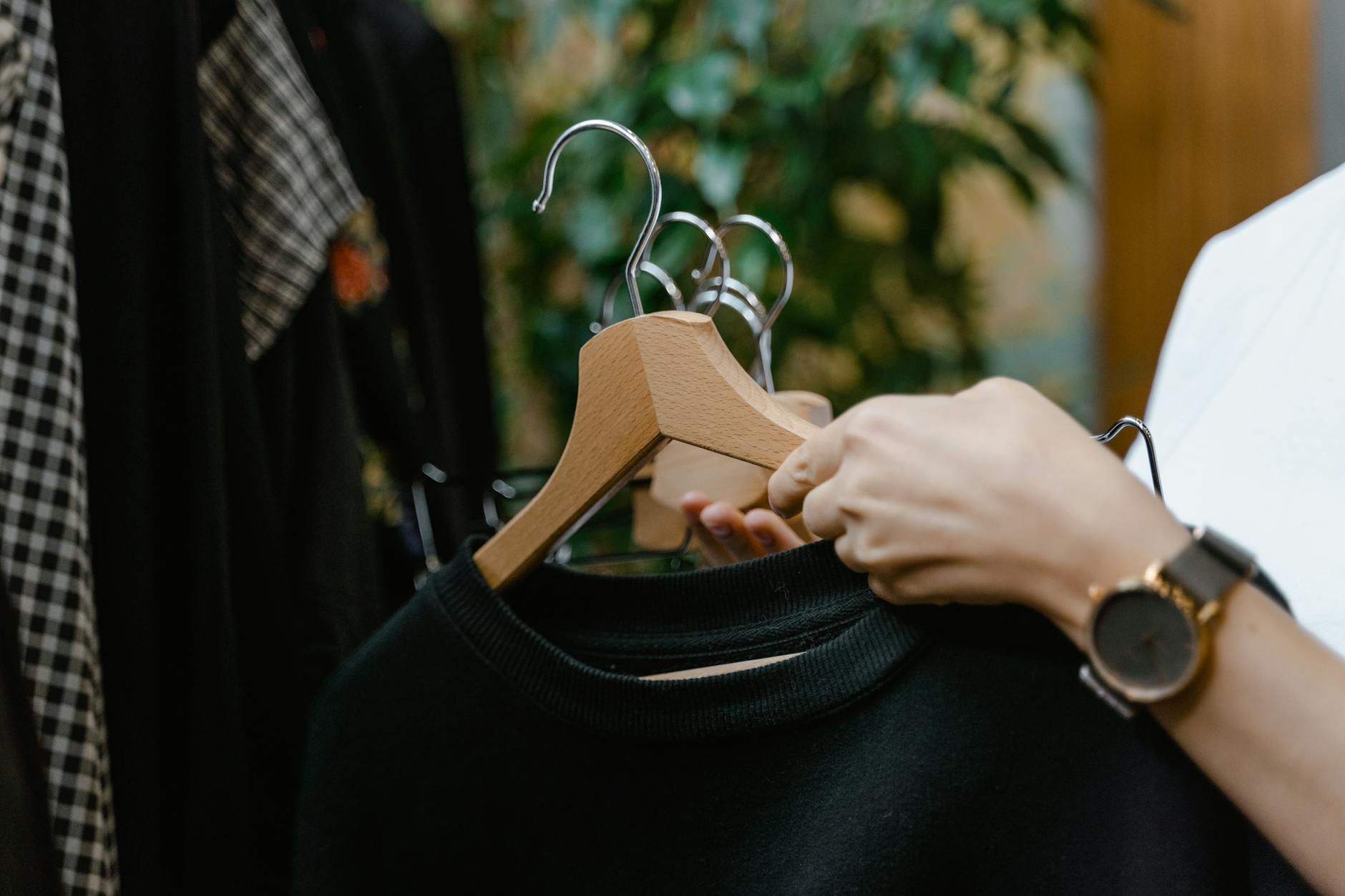
Photo by MART PRODUCTION
Comparing Popular Apparel Blank Brands for Print on Demand
Picking the right apparel blank brand can feel like navigating a maze. Every print on demand seller wants the best balance of quality, price, style and reliability.
Let’s simplify things by comparing some of the most popular brands in the POD space to see what makes each stand out, where they fit best and what trade offs you might face.
Bella+Canvas: Quality and Sustainability
Bella+Canvas has earned a solid reputation among print on demand sellers for good reason. The brand focuses on modern cuts and premium fabrics that feel soft and look sharp once printed.
Their blanks are mostly made from combed and ring spun cotton known for a smooth surface that holds prints beautifully making your designs pop.
But Bella+Canvas isn’t just about style and comfort you can proudly tout their eco-friendly production practices. They prioritize water reduction, use sustainable solar energy in many facilities and incorporate recycled fibers in some products.
For POD entrepreneurs who want to appeal to eco conscious customers Bella+Canvas hits that sweet spot nicely. The slightly higher price point reflects the quality and ethics baked into their production.
What makes them popular?
- Contemporary fits with soft fabric that wears well.
- Sustainable and ethical manufacturing efforts.
- Wide range of styles including t-shirts, hoodies and tanks.
- Excellent for DTG printing thanks to smooth fabric finish.
If you're building a brand that cares about comfort and sustainability, Bella+Canvas can be your go-to.
Photo by Kaboompics.com
Gildan: Affordability and Availability
If budget and volume are your top priorities, Gildan is a name you’ve surely heard. Known for affordability and widespread availability, Gildan blanks are a staple for bulk print on demand orders.
They offer a massive range from basic tees to hoodies and sweatshirts, with prices tempting enough to keep profit margins healthy.
However the lower price tag comes with some trade-offs. Gildan blanks sometimes receive mixed reviews for fit and fabric softness they feel heavier and rougher compared to premium brands like Bella+Canvas.
Their cotton isn’t always ring spun which can affect print clarity and wearer comfort. Still Gildan’s durability is solid and their blanks hold prints well if you are using the right techniques.
Gildan suits:
- Sellers focusing on mass production and affordability.
- Entrepreneurs testing new designs who want lower upfront costs.
- Brands targeting casual or budget conscious customers.
- Print methods compatible with durable, heavier fabric.
If you’re scaling fast or just starting out, Gildan’s price and easy availability make it a reliable choice. You can always mix Gildan and premium blanks for different product tiers.
You might want to compare Gildan in more detail in relation to DropShipping and Print On Demand business models you can learn more in this comparison of print on demand and dropshipping.
Next Level, AS Colour and Niche Options
Beyond the big two several other brands catch attention in the POD world by targeting niche needs or offering specific benefits:
- Next Level: Known for a modern, slim fit and ultra soft fabrics, Next Level blanks fit entrepreneurs who want something between budget and premium. Their tri-blends feature excellent print results and appeal to younger fashion forward customers.
- AS Colour: This brand goes premium with a simple classic look. They offer a reputation for consistency and better than average fabric quality often chosen by brands with a minimalist or high end streetwear vibe.
- Niche Options: Smaller or specialty brands such as Alternative Apparel or American Apparel lean heavily on eco friendly practices or fashion trends. They cater to specific audiences like sustainable fashion lovers or those who want unique cuts (e.g., cropped shirts, baby ribs).
Match these brands to your business model:
- Next Level for trendy soft basics that impress without a huge price spike.
- AS Colour to stand out with quality and consistency in basics and premium wardrobes.
- Niche brands for specialized offerings when your audience craves exclusivity or eco credentials.
Choosing the right blank here depends on your customer’s style, price sensitivity and your brand voice.
Finding the perfect blank is like building a product playlist: mix and match to hit the right notes with your audience.
Whether you value sustainability, cost efficiency or a sleek look this comparison gives you a solid start no more guessing just smart decisions that help your print on demand business grow.
Making the Final Decision: Tips and Resources
Choosing the right apparel blanks for your print on demand business is like setting the stage for a perfect show: every detail matters.
Once you've narrowed down your options based on fabric, fit, price and print compatibility it’s time to make that final call.
But don’t rush it—reliable testing, supplier trust and ongoing evaluation can save you headaches and boost your business in the long run.
Sampling and Supplier Relationships
Ordering samples might feel like an extra step some want to skip but it’s crucial. A sample lets you touch, wear and actually see how a blank handles your printing method before committing.
Plus it’s your chance to check for any unexpected quirks like shrinkage or fit issues.
Building a strong connection with your supplier is equally important. When you find a supplier who delivers reliable blanks on time and answers your questions promptly that’s a partnership worth keeping.
Good relationships can mean better pricing, faster restocks and insider info on new products.
Also don’t underestimate the power of customer feedback. Ask your buyers about fit, feel and quality. Their experiences are direct signals that help you refine your blank choices and improve your offerings.
Here’s a quick checklist to keep in mind when sampling:
- Order multiple sizes not just your own.
- Test different printing techniques on the sample.
- Wear and wash the samples to assess durability.
- Take notes about fit accuracy and fabric comfort.
- Collect customer feedback after launches to validate your choices.
Continuous Evaluation and Market Trends
Your print on demand business isn’t static so your blanks shouldn’t be either. Markets change, fabric technology improves and customer tastes shift. Staying updated on new blank options or printing advances lets you stay ahead of the curve.
Make it a habit to review your product lineup every few months. Introduce fresh blanks here and there especially if your sales show a demand for different fits or fabrics.
This keeps your store vibrant and appealing. Keeping an eye on trends in apparel like eco-friendly fabrics or vintage cuts can spark new ideas that set your products apart.
Use industry blogs and trusted print on demand resources to track shifts. And as your business scales your needs will evolve; you may want to negotiate bulk pricing, explore exclusive blanks or pivot to niche textiles. Always balance innovation with what your core customers love.
By sampling wisely, nurturing supplier ties and watching trends you build a print on demand offering that’s both trustworthy and fresh.
For further tips on growing your business and marketing your apparel successfully check out the Print on Demand Social Media Strategies for engaging your audience.
To keep profits healthy as you scale this guide on Hidden Costs in Print on Demand offers practical advice on avoiding common financial pitfalls.
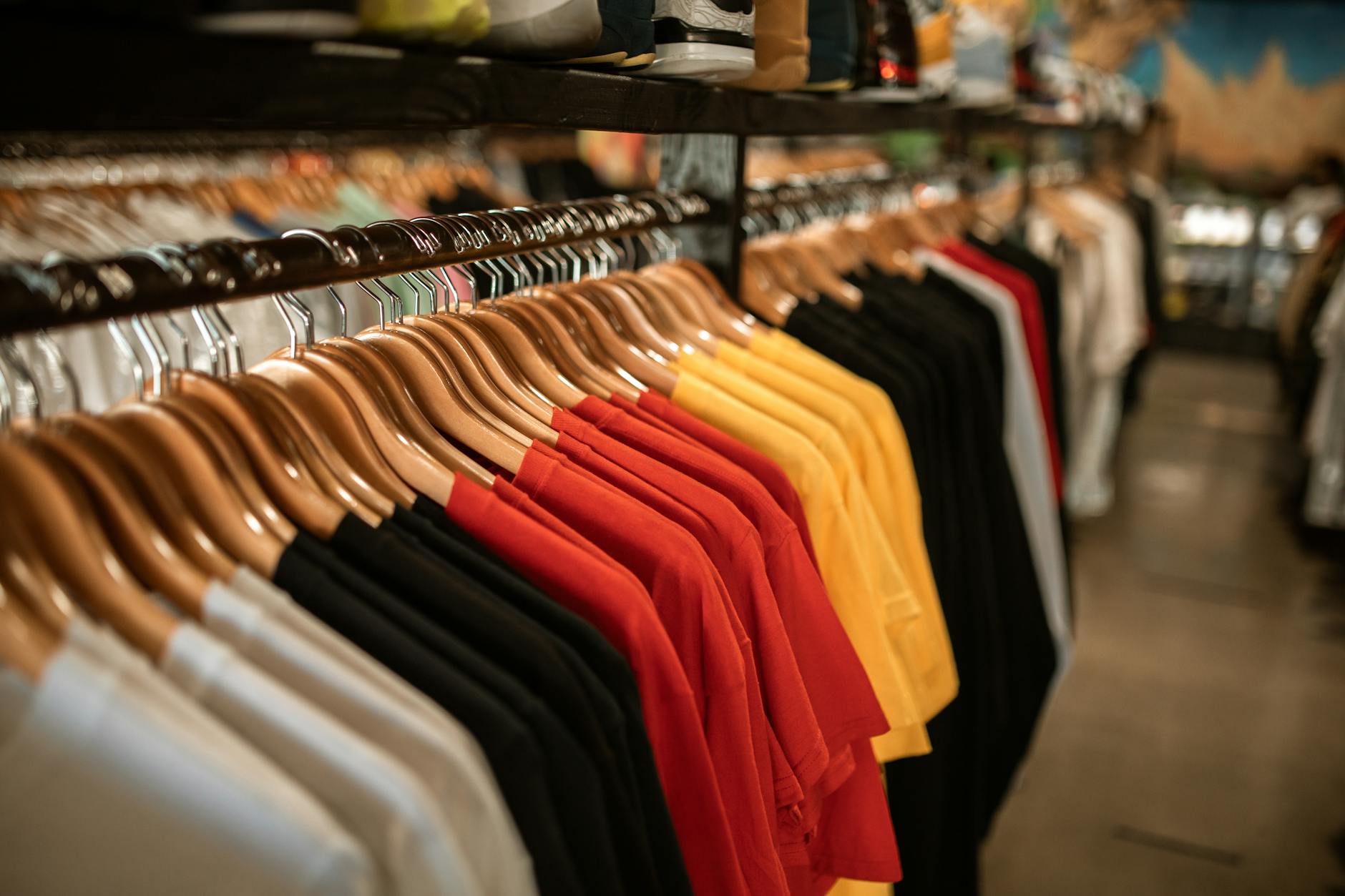
Photo by RDNE Stock project
Conclusion
Choosing the right apparel blanks is a smart move that can set your print on demand business apart.
The right balance of fabric, fit, durability and cost shapes not just your product quality but how customers feel about your brand.
Taking time to test samples and listen to customer feedback pays off with better reviews and fewer returns.
If you're ready to take your POD venture further consider exploring this print on demand beginner's guide to get your launch off the ground.
For insights on boosting your bottom line the profit margin pricing calculator tool can help you price smarter and keep profits healthy.
Thoughtful selection of apparel blanks is one step toward long term success tighten this foundation and your print on demand products will stand out in both quality and customer loyalty. Thanks for reading and here’s to making your POD business a lasting hit.












0 Comments