Selling Art Prints Online: Print on Demand Platforms Compared
.webp)
Selling art prints online is now more popular than ever, thanks in large part to the boom in print on demand services. Artists everywhere are turning creative talent into passive income streams, bypassing the risks and inventory headaches that once held them back.
It's no wonder so many creative entrepreneurs are jumping in there are more online POD platforms than ever before and each one comes with its own perks and quirks.
But with all these choices, how do you know where to start or which print on demand platform fits your goals? In this guide we'll break down the pros and cons of leading POD sites side by side so you can make a smart move with your art.
You'll learn what actually sets each provider apart plus discover the key benefits of building your art business on print on demand—lower upfront costs, global reach and the freedom to focus on creating instead of packing boxes.
Ready to see which platform makes the most sense for your style, audience and budget? Let's get practical about turning your art prints into real world sales, one click at a time.
If you’re thinking about fulfillment speed as a factor check out what to expect when choosing fast shipping in print on demand.
Why Print on Demand is Revolutionizing Art Print Sales
Artists and small studios are swapping out old school stacks of unsold prints for something a lot smarter: print on demand.
It’s easy to see why. Instead of gambling cash on inventory you might never sell you can offer your art worldwide and only pay for what actually gets ordered.
In a world full of creative talent and short attention spans this is exactly the kind of flexibility and reach modern creatives have been waiting for.
How Print on Demand Streamlines Fulfillment
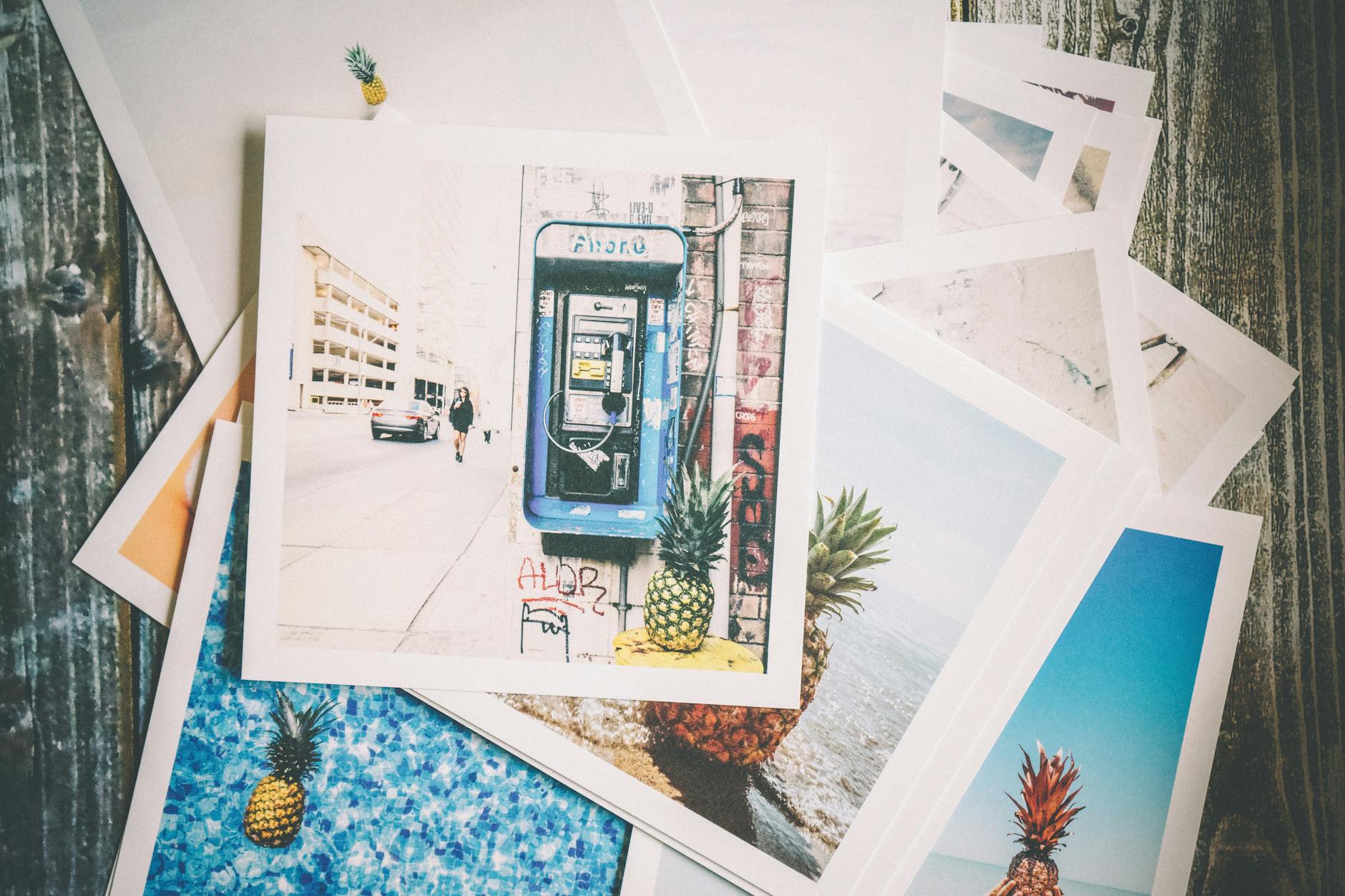
Photo by Pineapple Supply Co.
Print on demand (POD) platforms make selling art prints online simple even if you’ve never packed a box in your life. Here’s what the POD order flow looks like:
- Upload Your Art: Artists sign up, upload digital files of their work and add details like the title, description and price.
- Product Mockups: POD platforms create digital previews, letting you see how your art looks on posters, canvases even mugs or tees.
- Go Live: Your products are listed instantly with online storefronts or linked marketplaces.
- On-Demand Printing: When a customer places an order, the POD provider prints the art, packs it and ships it straight to their door.
- You Get Paid: Once production and shipping costs are deducted the remainder lands in your account.
Do you want to focus on painting or managing shipments? POD lets you do more of the thing you love.
There’s no need to worry about storage, printing guesswork or scrambling to the post office. Just upload your art and the rest is set to autopilot.
If you’re curious about how other artists are thriving with this model, Print on Demand for Artists: 11 Best Sites to Try in 2025 highlights the wide variety of products and platforms available.
Key Benefits for Artists and Designers
POD isn’t just for artists with big audiences or galleries. It’s tailor made for solo creators, part-timers, and even hobbyists who want to test the waters before going all-in. Here’s why:
- No Inventory Headaches: You never have to print hundreds of copies upfront hoping they’ll sell. Prints are made only when someone buys—zero waste, zero storage.
- Global Reach by Default: Your art can reach fans in Berlin, Sydney or New York without shipping anything yourself.
- Low (or No) Upfront Costs: Most platforms are free to join or charge small fees making it easy for anyone to get started.
- Test and Tweak: Want to see if a new colorway flops or flies? Add as many designs as you want. Experimenting with trends or seasons costs next to nothing.
- Scalable Side Hustle: You could start with a handful of designs and grow to a catalog of hundreds all from the same dashboard.
Many successful POD sellers swear by starting small, learning what audiences want and growing steadily.
You’ll find more tips for ramping up your own operation in our How to Start Print on Demand Business guide.
Potential Challenges and Hidden Costs
While print on demand makes life easier for artists it’s not totally risk free. Beginners can hit a few potholes:
- Quality Control: Not all POD providers deliver the same print or paper quality. Ordering samples before launching can prevent headaches later.
- Fees and Margins: Each sale comes with deductions—production, shipping, sometimes platform fees leaving slimmer profit margins than selling direct.
- Shipping Times: International shipping can take time and you won’t control delays or tracking issues.
- Branding Limits: Some providers only offer generic packaging or limited ways to customize your brand’s look.
Profit management is a recurring pain point. It’s easy to overlook the little fees that nibble away at earnings like transaction charges, shipping markups or mandatory paid options.
If you want a real world look at these issues check out hidden costs in print on demand to protect your bottom line.
The best POD artists stay in the loop. They read reviews, sample their own products and adjust listings based on what works.
Building a thriving online business with print on demand takes effort, but with careful planning (and eyes open for hidden costs) it becomes much easier to scale.
If you're trying to decide if the model is even profitable, dig into Is Print on Demand Profitable? for some hard numbers and smart strategies.
Comparing the Top Print on Demand Platforms for Art Prints
When selling art prints online your choice of print on demand provider can make or break your business.
Each platform has unique strengths but not all are tailored to artists hoping to turn their passion into profit.
In this section you’ll get a clear side by side of the platforms artists talk about most: Printful, Printify, Fine Art America, Society6 and Redbubble.
We’ll walk through what really matters like print quality, community, marketplace audience and how each platform supports your art journey.
Printful vs Printify: Which is Better for Artists?

Photo by ANTONI SHKRABA production
The Printful vs Printify debate comes up a lot for creators setting up shop with their own storefronts. Both connect to popular e-commerce platforms and let you build a stand alone brand.
Here’s how they compare for art print sellers:
- Product Options:
- Printful offers premium giclée art prints, framed posters, canvas and museum quality papers, great for artists serious about quality.
- Printify shines with selection (hundreds of global print partners), but art print quality varies by provider so picking carefully matters.
- Reliability:
- Printful owns its fulfillment centers which helps ensure consistency.
- Printify acts as a print aggregator, so your print quality, speed, and support depend on the partner you pick. Some sellers love the flexibility but others find it hit or miss.
- Print Quality: Printful is consistent with color, paper quality and packaging. Printify can compete if you vet the right supplier but it’s smart to order samples.
- Shipping: Printful’s fulfillment centers are global so prints often reach buyers faster especially in the US and Europe. Printify’s shipping speed depends on the partner so compare location and reviews before committing.
- Ease of Use: Both have clean dashboards, product mockups and easy integrations with sites like Shopify or Etsy.
- Pricing: Printify can be more affordable (especially with their paid Premium plan) but sometimes that comes at the cost of print quality or customer service.
If you want a deeper dive into handling tough situations with these big players the print on demand order issues guide is packed with troubleshooting tips.
Key Takeaway: For artists who prioritize top tier print quality and simplicity, Printful is often the safer bet. Printify suits sellers who want to experiment and optimize for price but you really need to vet your partners carefully.
Fine Art America, Society6 and Redbubble: Artist Centric POD Marketplace Platforms
These three platforms are marketplace first which means you upload your work, tag it, set prices (to a point) and your art goes in front of an instant audience.
Great news for those who’d rather not do their own website setup.
Here’s where each stands out:
- Fine Art America
- Focused on fine art prints and photography (think gallery walls and upscale buyers).
- Lets you set your markup above base cost which means you choose your profit.
- Offers options like wall art, framed canvases, metal prints and even greeting cards.
- Built-in community and competitions are magnetic for serious photographers and artists.
- Society6
- Super strong reach with young, trend driven buyers especially for quirky, bold or pattern heavy designs.
- Automatically adds your art to products like wall tapestries, posters and home decor.
- Markup is limited on most products (fixed artist margin on many items) so pricing control is less flexible.
- Strong artist resources, blog features and design challenges foster community.
- Redbubble
- Massive global audience looking for both art prints and functional goods (from stickers to shirts).
- Slightly more control over pricing—set your own markup.
- Active, supportive forums and resources.
- Not as focused on luxe gallery quality prints but great for reaching an energetic, creative fan base.
Marketplace Features to Watch For:
- Built-in Traffic: No need to bring your own audience; each marketplace has millions of monthly visitors.
- Artist Communities: Expect tutorials, forums and challenges to help you grow.
- Easy Onboarding: Simple art uploads, tagging and product previews.
- Commission Structures: Know how much you’ll keep—Fine Art America lets you keep more control, Society6 sets many prices, Redbubble is somewhere in the middle.
- Brand Control: Your art is showcased in their shop format not yours. Branding is limited but the tradeoff is audience reach.
For artists who want a plug and play audience and don’t mind working within a marketplace structure these options remove a lot of the tech hurdles.
Special Considerations: Shipping Speed, Branding and Support
Shipping speed and customer support can be the difference between a repeat buyer and a refund request.
If you’re aiming to win over customers with fast shipping print on demand you need to know what each platform brings to the table.
Shipping Speed
- Printful: Known for reliable, quick fulfillment (often 2-5 business days) with strong global coverage.
- Printify: Shipping speed varies so always check the fulfillment partner’s location and ratings. Best for sellers who want to control logistics or cater to different regions.
- Fine Art America: Decent US shipping but can take longer for international buyers. Some print partners slower than others.
- Society6 and Redbubble: Standard print times with average shipping though expedited options are sometimes available for an added fee.
Getting clarity on who ships fastest before you launch can boost satisfaction and cut down on refund requests.
If speed matters in your niche dig deeper into the fast shipping print on demand roundup for platform comparisons.
Branding & Customization
- Printful and Printify: Best for sellers with a personal website or Etsy store. Brand every package (stickers, packaging slips, thank you notes). Printful is a bit more polished out of the box.
- Fine Art America, Society6, Redbubble: You’re selling under their umbrella so options to brand packaging are minimal. Focus is on showcasing your artwork to their audience rather than on building a custom brand presence.
Customer Support
- Printful: Highly responsive with extensive help resources.
- Printify: Support depends on both Printify and the individual print provider so communication can be split.
- Marketplace Platforms: All offer support but you’ll move through ticket systems rather than a direct account manager.
Mistakes can happen in print on demand whether it’s a misprinted color or a package that goes missing. For tips on navigating order problems and getting your reputation back on track check out this Print on Demand Order Issues Guide.
Action Steps for Artists:
- Sample your own products from any platform you plan to use.
- Read current seller reviews about speed and support.
- Think about where you’d like your brand to shine in your own store or in a big marketplace’s gallery.
Your choice boils down to what you value: creative control and branding, or built-in traffic and ease of use.
Either way there’s a print on demand platform ready to turn your art into prints, profits and more time doing what you love.
Best Practices to Maximize Success Selling Art Prints Online
Selling print on demand art prints is not just about uploading a few designs and watching the money roll in.
The artists turning browsers into loyal fans are doing more they’re tuning up every part of the process from their digital window display to their marketing engine.
In this section you'll find hands-on advice on making your storefront pop, curating listings that convert and building a real community that comes back for every new drop.
Optimizing Storefronts and Product Listings: Advice on Compelling Product Photos, SEO Descriptions and Design Curation

First impressions can make or break your art print business. Think of your storefront like a gallery window. Here’s how top sellers stack the odds in their favor:
1. Product Photos That Sell
- Use high-resolution images for every design. Blurry or dark photos cost you sales.
- Show your art in context think framed prints on real walls or postcards held in a hand. It helps shoppers see your work in their space.
- Include detail shots (close ups on texture or signature) so buyers know exactly what they’re getting.
- Keep a consistent style across photos. Clean backgrounds and matching lighting pay off.
2. SEO-Ready Descriptions
- Describe your art like you would to a friend. Keep it accessible and paint a picture with words.
- Use natural keywords buyers actually search like botanical wall art or minimalist poster.
- Cover specs: size, paper quality, frame options plus care instructions if needed.
- Add an artist touch: share your inspiration and what makes the piece special.
3. Curate Thoughtfully
- Group similar pieces to help shoppers navigate. Clear categories (abstract, nature, pop art) make browsing easy.
- Update your featured products every month to promote freshness and highlight new or seasonal work.
When you focus on these storefront basics you give buyers confidence to hit that buy button.
Not sure if your setup is working? Look through the lens of your ideal customer or ask a friend for honest feedback. A polished product page is your silent salesperson make it convincing.
Want to keep up with more ways to frame and price your products for better sales? Peek at these Effective Print on Demand Marketing Strategies for ideas tailored to art and decor businesses.
Marketing and Audience Building for Print on Demand Art Prints
Filling your shop with beautiful prints is only step one. To earn regular sales, you need an audience that’s tuned in and hungry for your art.
Build Your Audience, Build Your Sales
- Collect emails early and often. Offer a small discount or a free downloadable print for sign ups.
- Engage this list with sneak peeks at new work, behind the scenes stories or tips on displaying art. It’s easier to sell to a warm audience than to strangers.
- Don’t forget your current buyers a simple thank-you email or occasional limited offer boosts retention.
Show Up Where Art Lovers Hang Out
- Pick two to three social platforms that fit your style (Instagram for visuals, Pinterest for decor lovers, TikTok for process videos).
- Share regular content including work-in-progress shots, customer photos, and time-lapse videos.
- Use stories and interactive posts—polls, questions or Q&A sessions to connect and get feedback.
- Collaborate with creators in related spaces, like interior design influencers or local art groups, to expand your reach.
Consistency matters more than going viral. Little by little your brand becomes familiar. People love to follow artists who show personality, progress and passion.
For a complete breakdown of what works right now, see this popular guide on Print on Demand for Social Media. You’ll get real tips on platform picks, community building and how to turn likes into sales.
Quick Wins to Try Today:
- Run a launch giveaway for new collections require email sign-up to enter.
- Post ‘real life’ customer photos (with permission) for instant social proof.
- Pin your bestsellers to the top of your storefront or social profile.
- Use seasonal trends and hashtags to join conversations and show your art in fresh ways.
Ready to grow your reach beyond friends and family? These hands-on strategies will move you from posting pretty art to running a real, profitable business.
Keep your brand voice friendly, helpful and consistent soon you’ll have fans lined up for your next release.
Conclusion
Choosing the right print on demand platform unlocks new opportunities for artists who want real freedom and steady sales. Each provider has its own strengths. Some focus on premium print quality, others front-load the marketing and a few deliver better on branding control.
Print on demand means you can skip the gamble of stocking inventory and instead, invest your time in growing your own audience.
The biggest win here? You get to test, tweak, and scale your art business without heavy upfront costs. That’s a hard reset from the old model of selling art prints.
To get ahead take time to compare your platform options, sample products and plan your marketing strategy. If you’re curious about how this stacks up against other e-commerce models, check out the Print On Demand vs Dropshipping resource for context.
Pay close attention to cost management and keep learning about new marketing approaches. Successful print on demand sellers are always testing, updating and connecting with their buyers.
Thanks for reading if you’ve got tips or questions about building your own art business, I’d love to hear from you. What’s your next step for launching or leveling up your art prints online?












.webp&description=Maximize Profit: Best POD Sites for Selling Art Prints Online)
0 Comments