Print on Demand Business Models: Dropshipping vs Hybrid vs Holding Stock
.jpg)
Print on demand opens up a flexible way to launch a custom product shop with minimal risk. You don’t need to keep 500 t-shirts in your garage just upload designs and sell as you go.
As a POD entrepreneur you get to pick from a few core business models: dropshipping, the hybrid approach and holding your own stock.
Each model has its own pros, cons and financial risks. Choosing the right setup spells the difference between strong profits and tricky cash flow. Not sure which path to take? You’re in the right spot.
Here you’ll get a clear side by side look at what makes each print on demand model tick. If you’re curious about getting started you might want to skim the Print on Demand Startup Guide for more actionable tips.
Understanding Print on Demand Business Models
Print on demand (POD) shakes up how we sell custom products giving everyday entrepreneurs the chance to launch a business with low overhead and high flexibility.
But picking your POD workflow isn’t as easy as choosing coffee over tea. There are three core models: dropshipping, hybrid and holding stock.
Each has a unique setup, different risks and its own way of shaping your customer’s experience.
Here’s how they break down so you can pick the right fit for your goals, wallet, and sanity.
Dropshipping POD Model Explained
 Photo by Nadezhda Moryak
The most popular entry point for print on demand is dropshipping. Here’s how it works:
- You create designs and list products (like t-shirts, mugs or bags) in your online shop.
- When a customer buys, the order goes straight to your POD supplier.
- The supplier prints your design, packs the order and ships it directly to your customer so you never touch the product.
Why do so many new sellers love this approach? You skip the need to buy inventory up front.
There’s less risk, less headache and no stacks of unsold shirts clogging up your closet.
Plus you can offer a massive variety of products without a huge investment.
But there’s a catch. You won’t fully control quality or shipping times since fulfillment is out of your hands.
Good supplier relationships matter if you want smooth orders and happy customers.
Choosing reliable partners increases your chance of positive reviews and repeat buyers.
Need a deeper dive into the basics? Shopify breaks down the print on demand dropshipping model with smart tips for new sellers.
Hybrid POD Model Overview
Let’s say you don’t want to pick between all or nothing dropshipping and holding big piles of inventory.
Enter the hybrid print on demand model.
With the hybrid approach, you combine made to order fulfillment and a small stash of popular products. Here’s what sets it apart:
- Most orders are sent to your POD supplier for print on demand fulfillment (like dropshipping).
- For your best sellers, you keep a limited amount in stock either at your business or with a warehouse partner.
- This gives you faster shipping on popular items but minimizes the cash tied up in inventory.
Why consider a hybrid model? It blends convenience with a bump in profit margins for your best selling SKUs. You can test which products deserve a place in your mini-inventory.
If something sells like crazy keep a handful on hand and ship them fast.
Sellers often go hybrid when they want a buffer against supply delays or want to offer some items quicker than POD suppliers allow.
It’s like keeping your best snack in the front of the pantry, ready for sudden cravings.
If you want a real world peek the hybrid on demand model has become a go-to move for growing brands who need flexibility and speed.
Holding Stock POD Model Unpacked
Holding stock means you order bulk quantities of your designs in advance, store them yourself (or in a warehouse) and ship directly when someone orders.
So what’s involved?
- Upfront investment: You pay for inventory before knowing how fast it will sell.
- Inventory management: You’ll store products, track stock levels and handle packing and shipping, unless you use a fulfillment partner.
- Quality control: Since the products pass through your hands, you control the unboxing experience and can check quality before shipping.
When does this model make sense? Usually when you already know what will sell and want to boost your profits per order.
Maybe you’ve seen patterns in your sales data or you’re selling in person at events where immediate delivery is key.
You also get to manage returns, branding and packaging giving you more room to create a memorable customer experience.
The big tradeoff: There’s more risk. If those new hoodies aren’t a hit you’re left with lots of extra stock.
That said many established POD sellers move towards holding stock after testing designs via dropshipping or hybrid models.
Curious about the trade offs? This piece on print on demand vs inventory covers pros, cons and the tipping points for every stage of your POD journey.
For a step by step blueprint on how to get started with print on demand from testing ideas to scaling up be sure to check out the Print on Demand Startup Guide for practical guidance.
Print on Demand Dropshipping vs. Hybrid vs. Holding Stock: Core Differences
Print on demand gives you several ways to run your hustle—dropshipping, hybrid and holding stock.
What sets these apart isn’t just logistics it’s how each model shapes your spending, fulfillment speed and how you handle risk.
Let’s break down the nuts and bolts of each approach so you don’t have to learn the hard way.
Cost Structure and Upfront Investment
Money out of pocket is a major deciding factor in any business.
Here’s how print on demand models stack up when it comes to setup costs, ongoing expenses and the dreaded risk of unsold stock.
- Dropshipping POD: The clear winner for low entry costs. You only pay your supplier when a real order comes in. Forget warehouse rent or giant bulk orders. But you’ll see higher per-item prices which chip away at your margins as you grow. This model almost erases the risk of unsold inventory keeping your cash flow flexible.
- Hybrid Model: You buy limited stock of your best sellers up front so you invest a bit more early on but not as much as the full inventory route. For all other orders it works like dropshipping—pay only when sales roll in. That means you’ll get slightly better margins on stocked products but still dodge the worst inventory risks.
- Holding Stock: The priciest startup model by far. Bulk buying means big discounts but you’ll tie up money in inventory that might not sell. Don’t forget costs for storage, shipping supplies and possibly third party logistics. If trends shift or items flop you might be left with boxes gathering dust.
Here’s a quick snapshot:
| Model | Setup Cost | Ongoing Cost | Inventory Risk |
|---|---|---|---|
| Dropshipping | Low | Per-sale fees, high item cost | Minimal |
| Hybrid | Moderate | Storage (small), mix of per-sale + bulk | Some |
| Holding Stock | High | Inventory, logistics, shipping | Highest |
Want to get even deeper? Check out this breakdown of print on demand business models to weigh the details for your own store.
Order Fulfillment and Customer Experience
How fast you fulfill orders and what your customer actually receives matters more than any clever design.
Speed, reliability and quality control are huge for repeat business and positive reviews.
- Dropshipping POD: Your supplier does it all—print, pack, ship. This can boost efficiency, but your ability to promise fast delivery depends on your supplier’s speed and region. If their quality slips your reputation takes the hit. Handling mix ups or returns means chasing the supplier and sometimes that gets messy.
- Hybrid Model: You get the best of both worlds. Ship your hottest items right away for speedy delivery and greater packaging control. All other goods roll out through your supplier so remote orders still run with minimal effort. Any issues with stock items can be fixed fast but online orders rely on your POD partner’s support.
- Holding Stock: You control everything—shipping, product checks, presentation. This model gives a top tier experience when you nail it: custom unboxing, fast turnarounds, personal touches. It’s also the most work. Every order means packing, labeling and maybe managing returns yourself. It’s easier to solve mistakes but takes more time.
No matter how you sell handling unhappy customers is part of the game. Need tactics for smooth damage control?
Take a look at these strategies on managing negative reviews or order issues in POD businesses.

Photo by Jakub Zerdzicki
For even more details this guide compares print on demand and dropshipping head to head for order processing and delivery times.
Scalability and Growth Potential
How big can your print on demand business get without blowing up your budget or losing quality?
Here’s how each model handles growth and scaling issues.
- Dropshipping POD: Super easy to scale. You can instantly add more products, run promotions or test fresh ideas no extra storage needed. Seller capacity is usually limited by your supplier’s production speed not yours. Just remember if your partner has delays or hits a busy season, so do you.
- Hybrid Model: Gives you flexibility to ramp up popular products with minimal risk. Bulk stocking your best sellers gives you better control and profit margins while new or riskier SKUs stick with the safer, made to order path. This balance can help manage growth spurts and seasonal spikes.
- Holding Stock: Offers the most direct control over big volume sales and branding. But rapid growth means you need bigger storage, staff, and more cash for upfront products. Logistics get trickier as you juggle more orders. If you don’t predict demand well, leftover inventory can drain profits.
Looking for ways to boost your print on demand growth on social platforms? These Print on Demand Social Media Strategies can help amplify your reach as you scale.
If you want the straight facts on long term performance this article on Print on Demand vs Dropshipping spells out how each model performs when your shop starts to catch fire.
In a nutshell dropshipping is low risk, low hassle and fast to expand. Hybrid lets you mix control with safety, perfect for mid stage sellers.
Holding stock is the heavyweight option trading risk for high reward and unique branding but only if you have the time and capital to back it up.
How to Choose the Right POD Business Model for Your Goals
Picking the best print on demand (POD) business model depends on your personal goals, resources and appetite for risk.
There’s no one size fits all here so let’s break down how to match your ambitions with the right path.
Whether you’re in it for quick testing, steady side income or building a full time brand understanding your priorities can save time and avoid costly missteps.
Evaluating Your Business Vision and Resources
Start by clarifying what you want and what you have to work with. Think of your POD business like planning a road trip your destination, car and fuel all matter.
Ask yourself:
- What are my main goals? Fast profit? Long term growth? Brand control?
- How much can I invest upfront? Budget needs will vary a lot between dropshipping and holding stock.
- How involved do I want to be? Do you want hands-on control or prefer outsourcing fulfillment?
- What level of risk can I handle? Larger inventory carries risk if products don’t sell but offers higher margins.
- What kind of products do I want to sell? Some items perform better in certain models depending on complexity or logistics.
Here’s a quick checklist to guide your evaluation:
- Business Vision: Do you want fast turnover or to build a brand with custom packaging?
- Budget: Are you ready for upfront costs or do you want to stay lean?
- Time & Involvement: How much time will you invest in fulfillment and logistics?
- Risk Tolerance: Can you handle unsold stock or prefer on demand printing?
- Product Type: Are your items simple print jobs or require special handling?
This clear snapshot helps zero in on the model that fits your style. For a deeper dive into how product types affect POD choices check the extensive guide on what is print on demand.
Testing and Transitioning Between Models
The beauty of POD is that you can start small and shift gears as you learn what works.
Maybe you begin with dropshipping to test your designs then move into hybrid or holding stock as you identify best sellers.
A smart approach looks like this:
- Start lean with dropshipping to minimize upfront costs. This keeps your business flexible letting you focus on marketing and product research.
- Monitor what products sell best and customer feedback carefully. Use that data to decide if stocking some inventory would boost profits or shipping speed.
- Transition gradually into a hybrid model holding just a few items in stock while dropshipping the rest. This balances flexibility with control.
- Consider moving to holding stock once you have reliable demand and enough cash flow to support bulk orders and storage.
Think of it like starting with training wheels before switching to a bike without them.
You learn fast, reduce risk then accelerate once you’re ready. Moving between models doesn’t have to be complicated; it’s all about layering control and profit margin as you grow.
Avoiding Common Pitfalls in Print on Demand
Choosing any POD model means watching for hidden traps that can hurt your bottom line or customer experience.
Some common pitfalls to steer clear of include:
- Hidden Costs: Cheap upfront risk may come with high per-item fees, shipping markups or supplier surcharges. Factor these in early to avoid surprises.
- Quality Control Issues: When you’re not handling the product directly, mistakes happen—printing errors or low quality materials can tarnish your brand. Always order samples and keep close supplier communication.
- Shipping Delays: Dropshipping can sometimes mean longer delivery times, confusing tracking or lost packages which frustrates customers. Transparent communication helps here.
- Inventory Risks: Holding stock means investment risk and storage hassle. Overstocking can tie up cash and waste space.
- Inconsistent Customer Experience: Packaging and branding suffer if you’re not in control especially when mixes of dropshipped and stocked items go out.
Keep a close eye on these issues. For an insightful look at these hidden expenses and how to manage them the guide on Print on Demand Order Issues is a valuable read to spot trouble early and keep customers happy.
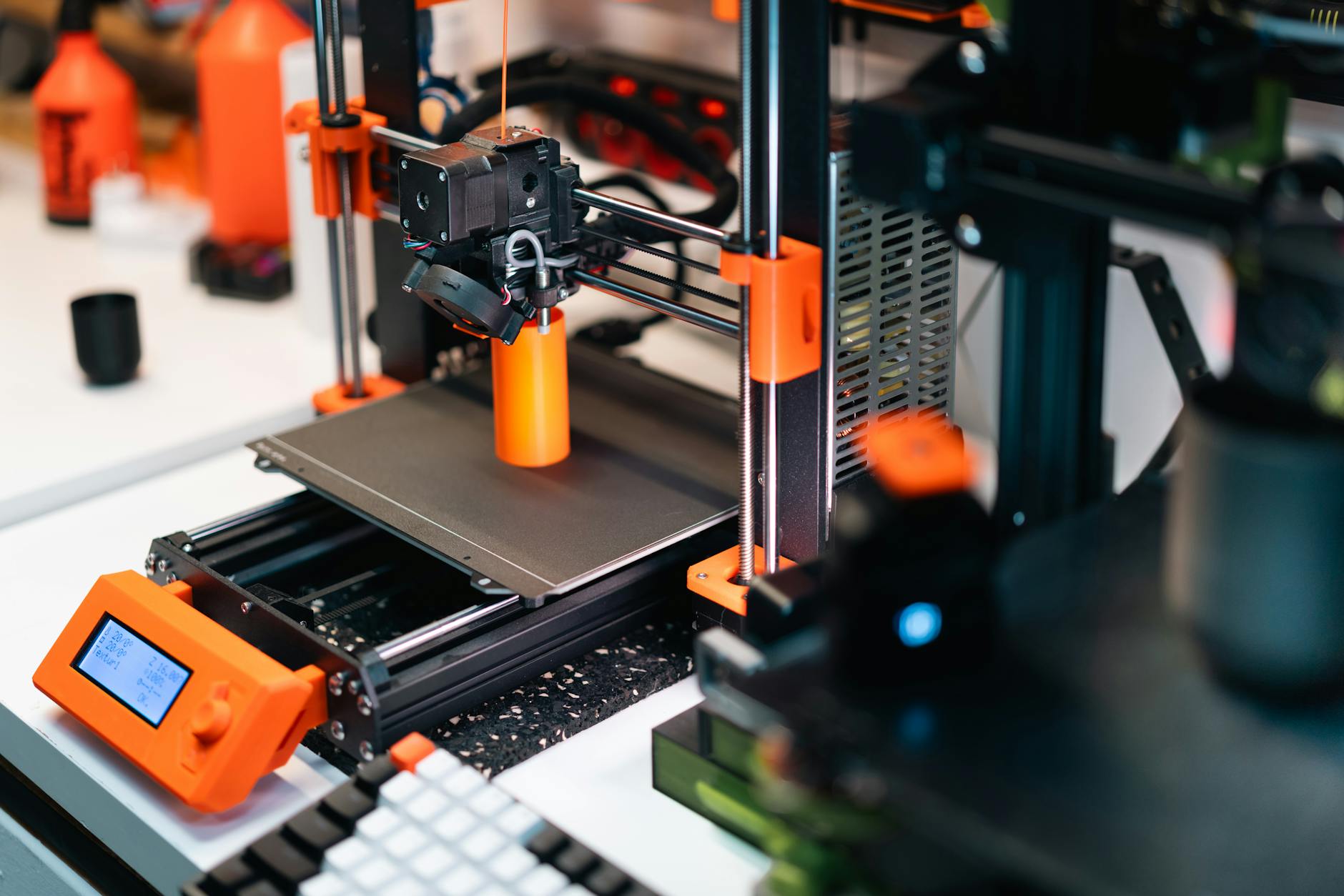
Photo by Jakub Zerdzicki
Conclusion
Choosing the right print on demand business model matters because it shapes everything from your upfront costs to how you serve customers.
Dropshipping keeps risk low and makes testing easy, hybrid strikes a solid balance between control and flexibility and holding stock offers the best chance at maximizing profit if you’re ready to invest time and money.
Each path fits different goals and resources so think carefully about what works for your situation.
For a deeper look at making print on demand profitable check out Is Print on Demand Profitable? Tips To Earning With POD. Your next step is to try, learn and adjust your approach as you grow. Thanks for reading along your print on demand success starts with smart choices today.












.jpg&description=Print on Demand Business Models Compared: Dropshipping, Hybrid or Hold Stock?)
0 Comments