Learning from Print on Demand Mistakes: Common Pitfalls to Avoid for a Profitable POD Business [2026]
.jpg)
Mistakes in print on demand are more common than you think, and they can stall your progress if you don’t learn from them. Understanding where others have stumbled isn’t just useful—it’s essential for building a sustainable and profitable business.
By recognizing these pitfalls early, you can avoid wasting time, money, and effort. Learning from "failures" not only fast-tracks your growth but also sharpens your approach, helping you focus on what really works. If you want to see how to handle order issues or avoid common traps, there are practical tips that make a big difference.
For instance, dealing with Print On Demand Order Issues and understanding Print On Demand Hidden Costs can save you from frustrating setbacks early on. This post will walk you through some of the most frequent mistakes and how to steer clear of them with confidence.
Understanding the Realities of Print on Demand Mistakes
Mistakes in print on demand (POD) aren't just occasional bumps on your path—they're more like potholes you’ll want to spot and avoid from the start.
The POD business model brings unique challenges that can trip up even experienced sellers.
By digging into why these "failures" happen, you’ll see how factors like production, design, and market shifts interact in ways you can manage before they hurt your success.
Why POD 'Failures' Happen
Print on demand feels like a dream—you don’t hold inventory, and you can push countless designs live in minutes.
But this convenience hides several pitfalls:
- Outsourcing Production: When your printing and shipping are handled by a third party, quality control becomes less hands-on. Prints might vary in color, alignment, or fabric feel, making it tough to guarantee consistency. For example, the same design on two different orders may come out looking noticeably different. This unpredictability can confuse customers and add returns or complaints.
- Print Variability: Even with the best suppliers, print colors may differ from your original design due to lighting, screen calibration, or material choices. A design that looks perfect on your screen might appear dull or warped on the product. This can damage the perceived value of your brand if customers get something unexpected.
- Design Misjudgments: Many sellers dive into POD with strong creative ideas but miss the mark on what buyers actually want. Designing without a clear target audience or ignoring trends leads to products that don’t sell. Sometimes the issue is picking the wrong type of item for a design, like a detailed print on a small label area where it loses impact.
- Shifting Trends: POD markets move fast. What’s hot today might be forgotten tomorrow. Sellers stuck on past hit designs without refreshing their catalog risk losing visibility and sales. It’s tricky because trends aren’t always obvious, and jumping too early or too late can hurt your reputation.
In short, POD 'failures' often come down to gaps in control and timing. Without tight production checks, sharp market sense, and responsive design tweaks, it’s tough to maintain growth.
The Cost of Avoidable Errors
Mistakes in print on demand carry a price tag that’s more than just lost revenue:
- Loss of Revenue: Every returned or canceled order eats into profits. Plus, unsold inventory (if you hold any) ties up capital. Even without inventory, missed sales and customer churn quietly drain your business.
- Wasted Marketing Spend: Running ads or promotions on products that weren’t properly vetted means money down the drain. Without solid quality or a targeted audience, even the best ad campaigns fall flat.
- Brand Damage: Customer trust is fragile. One bad experience—wrong print, late delivery, poor quality—can lead to negative reviews and long-term reputation harm. Your brand's value depends on clear promises and consistent delivery.
Dealing with these problems doesn’t have to be guesswork.
The Print On Demand Order Issues Guide offers practical tips to troubleshoot common order snags, so you can fix mistakes fast and keep customers happy.
Mistakes will happen, but with the right understanding and quick action, you can turn setbacks into stepping stones for a better POD business.
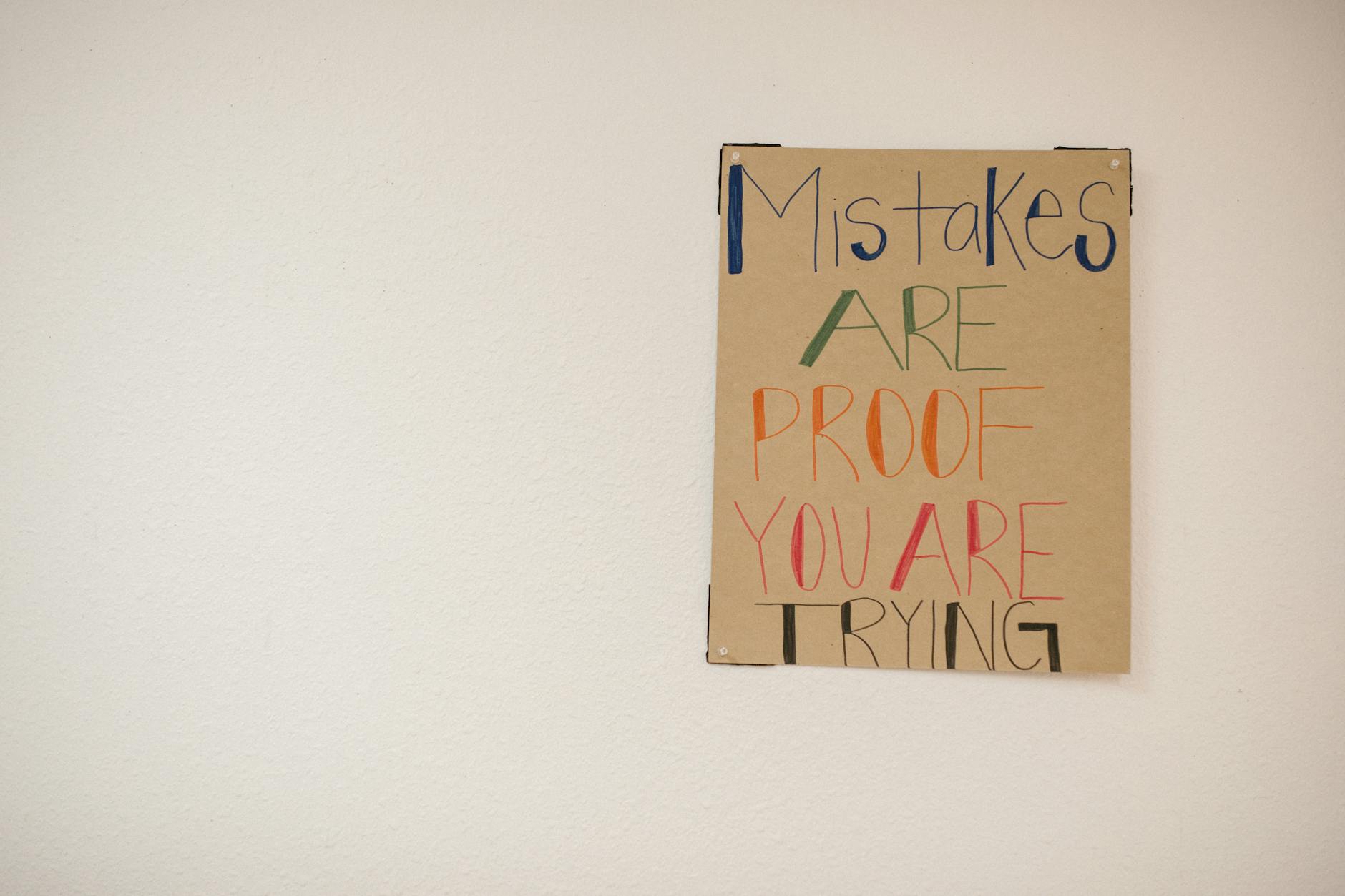
Photo by RDNE Stock project
Common Mistakes in POD and How to Avoid Them
Running a print on demand business sounds simple until mistakes start piling up and slowing down your progress.
Many newcomers—and even seasoned sellers—fall into avoidable traps that cost time, money, and reputation.
Knowing where others have stumbled gives you a clear edge.
Let’s break down some of the most frequent errors in POD and, more importantly, how to dodge them with confidence.
Inadequate Product Testing and Quality Control
Skipping product samples or rushing into production without test orders is like setting sail without checking if the boat floats.
Print on demand depends heavily on the quality of prints and materials, which can vary between suppliers or even batches.
Ignoring this can lead to blurry prints, colors that don’t match your design, or misaligned graphics that turn customers off immediately.
Before going live with any design, order samples to:
- Verify the print quality matches what you expect.
- Check the fabric or product feel to ensure it meets your standards.
- Spot design issues like pixelation, improper sizing, or dull colors.
Testing early saves you money and reputation down the road. It also highlights when adjustments are necessary, whether tweaking color profiles or selecting a better product type.
Remember, your customers only see the final product, not the effort behind it. Deliver consistently or risk negative reviews.

Photo by Suzy Hazelwood
Neglecting Customer Service and Returns
Fast response times and clear return policies are no longer optional in today’s e-commerce world.
Many POD sellers falter by underestimating the power of solid customer service.
Leaving inquiries hanging or having confusing return rules frustrates buyers, causing lost sales and damaging word-of-mouth.
Key points to keep in mind include:
- Respond to customer questions quickly, even if it’s just to acknowledge their message.
- Make your returns policy transparent and simple to find—buyers hate surprises.
- Handle returns and refunds gracefully, turning unhappy customers into loyal fans.
Mismanaging returns is a common source of negative feedback and can quickly injure profit margins.
For a deeper dive on how to navigate this tricky area, check out the expert advice in Managing Returns in Print on Demand.
Overlooking the Importance of Niche Research
Jumping into print on demand without understanding your audience is like aiming at a bullseye while blindfolded.
Many sellers pick broad or saturated markets, thinking more competition means more customers.
Wrong. What it often means is a flooded market where your products quickly get lost, and your marketing budget gets wasted.
Instead, focus on:
- Researching niche interests where demand is steady but competition isn't overwhelming.
- Learning what your audience cares about and tailoring designs to their preferences.
- Testing different markets on a small scale before fully committing.
Understanding your niche sharpens product development and marketing. It keeps your efforts targeted and increases the likelihood of sales.
If you want tips about profitability and market focus, the Is Print on Demand Profitable? Tips To Earning With POD guide is worth a look.
Failing to Address Negative Feedback
Negative comments and reviews aren’t just bad luck; they are signals telling you where to improve.
Ignoring them or getting defensive can turn a small issue into a PR headache.
Instead, make negative feedback work for you by engaging with customers and fixing problems fast.
Effective handling means:
- Responding openly to reviews, showing you care.
- Offering solutions or compensation when appropriate.
- Using criticism as a way to improve product quality or customer service.
This approach builds trust and can even increase repeat business. Master the art of turning complaints into opportunities by reading Handling Negative Reviews in Print on Demand.
It offers solid strategies to protect and grow your brand reputation.
Avoiding these common print on demand mistakes takes a bit of effort but pays off in smoother operations and happier customers.
Treat product testing, customer care, market focus, and feedback as your pillars of success.
When you do, your POD journey won’t just avoid failure—it’ll build a business ready to thrive.
Turning Print on Demand Failures Into Opportunities
Every print on demand business faces bumps along the way.
Those moments when a product flops, orders go haywire, or customer expectations fall short aren’t the end—they’re your best teachers.
What you do after a failure shapes your entire journey. You can either get stuck or use those experiences to fuel smarter moves forward.
It’s time to rethink failures—not as defeat but as a chance to sharpen your business.
By carefully analyzing what went wrong, making clear changes, and celebrating the new knowledge, you build a stronger, more agile print on demand brand.
Let’s explore how to turn setbacks into solid stepping stones with practical approaches that anyone can apply.
Conducting Honest Post-Mortems
Going back over what didn’t work is never fun, but it’s crucial. A post-mortem is your business’s reality check.
This means:
- Being brutally honest. No blaming suppliers, customers, or luck. Focus on facts and where processes broke down.
- Gathering all relevant data. Review order records, customer feedback, production notes, and marketing campaigns.
- Asking the right questions. Which part of the POD process was weakest? Was it design appeal, print quality, shipping delays, or customer service? Try to pinpoint the exact breakdown.
This step isn’t about dwelling on mistakes but uncovering clear lessons. Think of it like a doctor reviewing symptoms to diagnose a condition before prescribing a treatment.
Without this examination, you risk repeating the same problems.
Implementing Systematic Changes
Insights mean little without action. Once you’ve identified what failed, it’s time to create a clear plan to fix it. This could include:
- Improving supplier communication and quality checks. Maybe you need a more reliable print partner or more frequent sample testing.
- Tweaking your marketing or design approach. If a design missed the mark, adjust for audience interests or test smaller batches before full launches.
- Strengthening customer support processes. Faster response times or clearer return policies can turn unhappy buyers into loyal ones.
Document these changes and build them into your daily operations.
Small process improvements compound fast. They also make your business more resilient to future hiccups.
Consider using checklists or templates to keep improvements consistent.
Celebrating and Sharing Lessons Learned
It might sound odd to celebrate failure. Yet, taking the time to acknowledge what you’ve learned fuels motivation and keeps you moving forward.
- Share insights with your team or network. Talking through lessons often uncovers fresh ideas or solutions.
- Journal your progress. Seeing how past failures led to gains keeps perspective positive.
- Use failures to inspire others. Aspiring POD entrepreneurs face the same struggles. Your stories can help them avoid pitfalls.
Building a culture that values learning over perfection takes time. But it makes your print on demand venture more durable because it embraces growth.
And that makes all the difference in an unpredictable market.

Photo by Fuzzy Rescue
For those who want to go deeper, understanding how to begin well or boost your marketing may complement your recovery strategy.
Check out this guide on how to start your print on demand business and these effective print on demand marketing tips to keep your improvements on track.
Conclusion
Learning from common print on demand mistakes is not just something to do—it's essential if you want to build a business that lasts. Every setback you face offers a chance to refine your approach, improve your products, and serve your customers better.
By staying sharp, testing often, and listening to feedback, you turn challenges into opportunities that push your POD business forward.
Keep these lessons in mind and treat failures as stepping stones, not roadblocks. The sooner you accept and act on what went wrong, the faster you’ll move toward lasting success.
For more on how to get your print on demand business thriving, take a look at Simple Ways to Boost Your Print on Demand Sales with Social or explore broader strategies on the Go Path to Millions Blog. Your next win is closer than you think.












.jpg&description=Print On Demand Mistakes to Avoid: Top Pitfalls for a Profitable POD Business)
0 Comments