Fabric Quality Comparison for Print on Demand Apparel [Updated Guide]

When it comes to print on demand apparel, fabric quality can make or break your product's success. Customers notice the feel, durability, and look of the material, so choosing the right fabric isn’t just about comfort—it’s about building trust. Entrepreneurs who understand the differences between popular fabrics can improve product appeal and boost repeat sales.
This guide breaks down common POD apparel materials to help you pick the best fit for your brand and customers. With the right knowledge, you’ll bring your designs to life on fabrics that sell.
If you’re ready to learn how fabric choices impact your print on demand business, this post will walk you through the key details clearly and confidently.
For a deeper dive on starting or scaling your venture, check out this Print on Demand Startup Guide. It’s packed with practical tips to turn your ideas into profits.
Overview of Popular Print On Demand Apparel Fabrics
When you're launching a print on demand apparel line, picking the right fabric is like choosing the perfect canvas for your artwork.
The material doesn’t just affect comfort—it shapes how your designs pop, how long your pieces last, and even who buys them.
Let’s break down the go-to fabrics in the POD world, so you’ve got a clear picture of what’s best for your brand and customers.
Cotton
Cotton is often the first fabric that comes to mind—and for good reason. It’s a natural fiber known for its softness, breathability, and durability.
These qualities make it ideal for everyday wear, especially in warmer climates or casual styles.
- Natural breathability: Cotton allows air to flow through easily, keeping wearers cool and comfortable.
- Soft texture: The fabric feels gentle on the skin, which boosts customer satisfaction and encourages repeat purchases.
- Durability: Cotton holds up well over time, despite regular washing and wear.
In the print on demand space, cotton is a favorite because it provides a great base for most printing methods.
The fibers absorb inks well, making colors look vibrant and details crisp.
However, cotton can shrink if not pre-treated or cared for properly, so it’s key to source quality, pre-shrunk cotton to avoid surprises.
For more details on cotton fabric and its print performance, check out this T-shirt fabric guide from Printify.
Polyester
Polyester is a fully synthetic fabric that has carved out its own niche in POD apparel.
It shines through with excellent moisture-wicking properties and strong color retention, making it popular for sportswear and activewear lines.
- Moisture-wicking: Polyester pulls sweat away from the skin, helping users stay dry during workouts.
- Vibrant colors: Because its fibers don’t absorb ink like cotton, polyester holds onto dyes and sublimation prints exceptionally well, keeping prints bold over time.
- Durability: It resists wrinkles, shrinking, and stretching more than natural fibers.
On the downside, polyester isn’t as breathable as cotton and can feel less natural against the skin, which might turn off customers looking for everyday comfort.
Plus, it sometimes produces odors from sweat, requiring odor-control finishes for activewear.
If you aim to use more vibrant, long-lasting prints, polyester is a solid choice—just be mindful of the fabric feel your audience prefers.
Learn more about polyester’s place in print-on-demand from this Printful guide to T-shirt materials.
Cotton-Polyester Blends
Blended fabrics offer a middle ground, combining cotton’s natural comfort with polyester’s durability and vibrant print qualities. Common blends include:
- 50/50 or 60/40 cotton-polyester: These ratios balance softness and strength, usually feeling smoother than pure cotton and drying faster.
- 65/35 cotton-polyester: Favorites in POD for their comfort while maintaining print clarity.
These blends reduce the shrinking and wrinkling concerns of cotton, while improving moisture management and print longevity compared to pure cotton.
The downside? They often come at a slightly higher price point and can still lack the breathability of 100% cotton.
Blended fabrics are popular with POD sellers who want versatile, durable products that suit a wide range of customers.
For a deeper dive on blends, Printify’s POD fabrics guide is a great resource.
Specialty Fabrics (Tri-blends, Organic Cotton)
The print on demand world is evolving beyond the classics, and specialty fabrics are gaining ground.
- Tri-blends: Usually a mix of cotton, polyester, and rayon. These fabrics are lightweight, soft, and drape well, offering a vintage, worn-in look that’s popular with fashion-forward buyers. They excel in print detail but come with a higher cost and variable print outcomes depending on fiber ratios.
- Organic cotton: This eco-friendly option appeals to customers who prioritize sustainability. While it offers the same softness and breathability as regular cotton, organic varieties are grown without harmful chemicals and often certification-backed. They tend to be pricier but can justify a premium brand positioning.
For POD entrepreneurs targeting niche markets with ethical or fashion-conscious customers, specialty fabrics open up fresh possibilities.
Recent insights show these materials add both consumer appeal and brand differentiation Printful’s fabric types guide covers these emerging fabrics well.
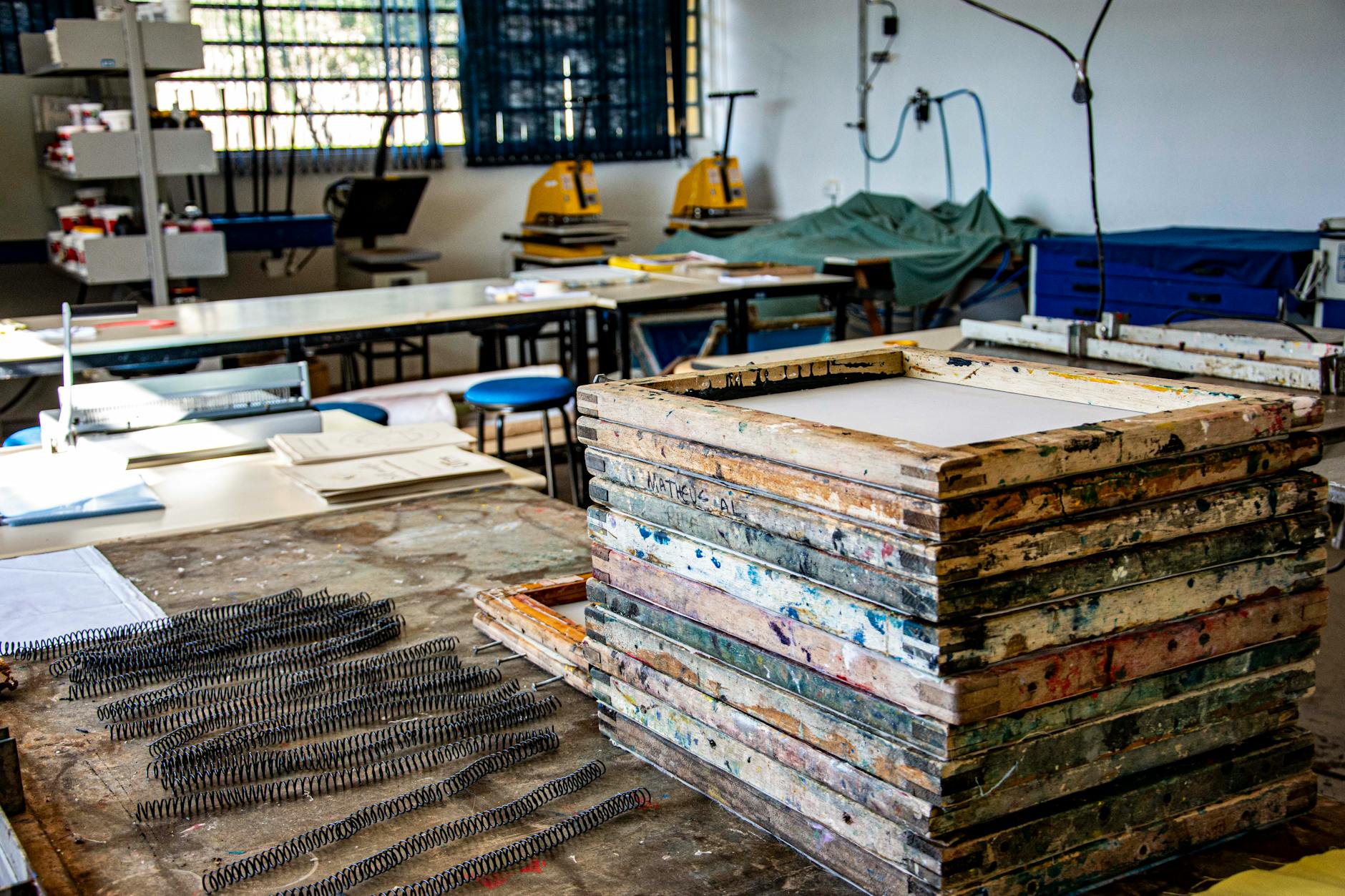
Photo by Rodolfo Gaion
Choosing the right fabric doesn’t need to be overwhelming.
Think about who your customers are, what experience your apparel should deliver, and how your designs will perform on different textiles.
With this overview under your belt, you’re well on your way to selecting fabrics that will make your print on demand products stand out.
Comparing Fabric Quality Aspects for Print On Demand Apparel
Choosing the right fabric for your print on demand apparel isn’t just a matter of picking what feels good.
Each fabric interacts with your designs and customers differently—from how well it showcases your print, to how long it lasts on the shelf, and how happy shoppers feel wearing it.
Let’s get into the core aspects of fabric quality that truly impact your POD success: print clarity, durability, comfort, and cost-effectiveness.
Breaking down these factors side by side will help you pick fabrics that keep both your customers and your bottom line satisfied.
Print Clarity and Color Vibrancy
How a fabric handles print is like the difference between a dull photo and a vibrant painting.
Some materials absorb ink deeply, while others keep colors sharp and vivid on the surface—this directly impacts how your design pops when it hits the market.
- Cotton soaks up ink nicely, creating crisp prints with natural warmth. However, colors can sometimes soften or fade quicker than with synthetics.
- Polyester doesn’t absorb ink but instead bonds well with dyes in processes like sublimation, which means colors stay instantly bright and don’t dull over time.
- Blends offer a balance: better color retention than cotton with more softness than polyester.
Keep in mind, fabrics with smoother weaves generally deliver sharper details. The trick is matching your design style with fabric behavior for maximum impact.
For deeper insight on fabric choices and print clarity, this guide on choosing the right fabric for digital printing is a smart read.
Durability and Wear Resistance
No one wants their favorite tee to wear out after a couple of washes, especially when it’s a standout piece from a POD shop.
Durability isn’t just about the fabric's strength; it’s how well it holds print after repeated use and laundry cycles.
- Polyester shines here—resisting shrinking, stretching, and wrinkles while keeping prints vibrant far longer.
- Cotton is durable but more prone to fading and shrinking unless it’s pre-shrunk and treated carefully.
- Cotton-polyester blends strike a middle ground, often giving better shape retention and longer print life than pure cotton.
If you’re aiming for longevity, synthetic fibers or blends give you the best shot at keeping customers happy beyond the first wear.
This comparison of polyester and cotton fabrics breaks down those strengths well for POD contexts.
Comfort and Fit
Let’s face it—no matter how amazing a print looks, if the shirt isn’t comfortable, it won’t sell well twice. Softness, breathability, and stretch all contribute to how customers feel wearing your apparel.
- Cotton wins for softness and natural breathability, making it ideal for casual, everyday wear.
- Polyester can feel less natural—sometimes sticky or synthetic—although moisture-wicking qualities make it great for activewear.
- Blends combine the smooth fit and stretch of polyester with some of cotton’s breathable comfort.
Stretchy fabrics with some elastane or spandex blended in give a better fit and allow for movement, which your customers will appreciate in sport or lifestyle apparel.
A quick look at how comfort and fit influence apparel choices can help you understand what your customers really want.

Photo by Pixabay
Cost and Production Efficiency
Running a POD shop means balancing quality with your margins.
Choosing expensive, high-end fabrics sounds great but can eat into profits if not managed smartly.
Meanwhile, cheaper fabrics may cost less upfront but cause headaches with poor print results or high return rates.
- Polyester often leads to less waste and faster print cycles due to digital sublimation efficiency.
- Cotton can be pricier to source if you want high-quality, pre-shrunk or organic variants, and sometimes requires extra care during printing.
- Blends might add complexity in production but offer good value by combining benefits and minimizing issues like shrinkage or fading.
Look for suppliers and fabrics that offer consistency and easy print management alongside decent cost.
This balance can boost profitability without sacrificing customer satisfaction.
If you want a rundown of how POD impacts your costs and margins, check out this explanation of production efficiency in POD.
Choosing the right fabric is a strategic move that touches every part of your print on demand operation.
Prioritize how your products will be used, how your prints need to perform, and how much wiggle room you have on price.
Remember, great fabrics catch eyes, build trust, and keep customers coming back for more.
Selecting the Right Fabric for Your POD Business
Choosing the right fabric isn’t just about picking a material; it’s about knowing who you’re selling to, what products you’re making, and how to keep your business profitable.
The fabric sets the tone for your brand’s quality and customer experience. Whether you're designing tees, hoodies, or activewear, the fabric must fit your target audience’s lifestyle, suit your design goals, and match your price point.
Let’s break down these crucial factors so you can make confident decisions for your print on demand business.
Identifying Your Target Market's Preferences
Every audience has unique needs, shaped by their age, lifestyle, and even climate.
You wouldn’t want to push heavy hoodies to a crowd that prefers lightweight summer apparel. For instance:
- Athletic and activewear fans typically prefer fabrics like polyester or blends that wick moisture and move with their bodies.
- Casual shoppers lean towards soft, breathable cotton or cotton blends that feel comfortable all day.
- Eco-conscious buyers often seek organic or sustainably sourced fabrics, even if it means paying a bit more.
Think about who your customers are and what suits their daily routines. Younger buyers might prize trendy tri-blends with a vintage feel, while older buyers could prioritize classic cotton’s softness.
Lifestyle influences fabric demand more than you might expect. Knowing this saves you from investing in materials your audience won’t appreciate.
Matching Fabric to Product Types and Design Needs
Different apparel styles require different fabrics. A t-shirt made for everyday wear benefits from soft cotton or cotton-poly blends, offering comfort and strong ink absorption.
On the other hand, hoodies need sturdier, warmer fabrics that maintain shape after multiple washes—usually thicker blends or cotton-poly mixes.
Activewear demands quick-drying, elastic fabrics like polyester or moisture-wicking blends. These materials keep prints vibrant even with intense wear and washing.
Also, consider your design style:
- Bold, all-over prints or sublimation work best on polyester, which holds dyes sharply.
- Screen printing thrives on cotton’s absorbency for vibrant, durable prints.
- Lightweight or stretchy designs call for fabrics with elastane or spandex in blends, ensuring a snug but flexible fit.
Matching the right fabric to product type and print style means your designs look great and last, giving customers a reason to buy again.

Photo by cottonbro studio
Balancing Quality with Pricing to Maximize Profitability
No one wants to overpay for materials that don’t sell or undercut quality and disappoint customers.
Striking the right price-quality balance is key for printing on demand success.
Here’s how to keep it realistic:
- Start with quality basics that suit your audience’s tastes and product type. For example, use pre-shrunk cotton or reliable blends.
- Avoid the cheapest fabrics that feel rough or fade quickly. They risk bad reviews and lost buyers, costing more long-term.
- Consider fabric cost against your retail price, knowing the markup needed to cover production, shipping, and marketing.
- Test different fabrics on a small scale to see what your customers prefer before investing heavily.
- Communicate quality clearly in your product descriptions to justify price points and build trust.
Remember, customers often pay extra for comfort and durability, especially if your fabric choice complements your design and target market.
This approach minimizes returns and helps maintain a healthy profit margin.
For practical advice on dealing with product quality issues and returns in POD, check out this Print on Demand Returns Guide that offers smart tips on balancing customer satisfaction and profitability.
Choosing the right fabric ties these factors closely together: your audience’s preferences, product function, and your bottom line.
Nail these, and you’re setting your print on demand apparel up for success.
Additional Tips and Resources for POD Entrepreneurs
If you’re serious about building a thriving print on demand business, mastering fabric choices is just one piece of the puzzle.
To really set yourself apart and keep your customers coming back, you’ll want to sharpen your approach to testing, supplier collaboration, and staying current with industry trends.
Let’s explore some practical tips and helpful resources to keep your POD apparel game strong and smart.
Test Fabric Samples Before You Commit
Nothing beats hands-on experience when it comes to fabric quality.
Before placing bulk orders, ordering samples lets you feel the texture, assess durability, and evaluate how your designs print on different materials.
Think of it as a rehearsal before the big show—avoiding costly surprises down the road.
Here’s what to keep in mind when testing samples:
- Request fabric swatches with your design printed to see how colors hold up and how crisp the print looks on the actual fabric.
- Order samples in different blends and weights to compare comfort and fit.
- Test laundry performance by washing samples a few times—it’s key to know whether fabrics shrink, fade, or lose shape.
- Avoid choosing blank items or colors too close to your print’s palette to get an honest look at the final quality.
Print-on-demand platforms and fabric suppliers often offer sample ordering services tailored for entrepreneurs.
For instance, sites like Contrado offer custom test prints on fabric samples, while Fabric on Demand lets you print your design on small fabric swatches.
Printify also explains best practices on how sample ordering works—all valuable resources to help you make informed choices.
Build Strong Relationships with Your Suppliers
A great fabric is only as good as the supplier behind it. Establishing trustful and clear communication with your fabric and print partners saves you headaches and improves product consistency.
- Always clarify fabric specs and print compatibility before ordering.
- Don’t hesitate to ask for detailed product sheets, certifications, or customer reviews.
- Keep suppliers updated on your design and quality standards—they can often suggest fabric options or adaptations to save costs and enhance results.
- Plan for restocks ahead of time, especially if you’re working with limited edition fabrics or seasonal materials.
Strong supplier relationships help you get priority on popular fabrics and quicker answers when issues come up.
If you hit snags with print or fabric quality, this Print on Demand Order Issues Guide walks you through fixing common product problems and maintaining customer trust.
Stay Updated on Fabric and Print Trends
Fashion and textile trends evolve fast. Keeping your finger on the pulse helps your POD apparel remain fresh and attractive.
- Follow POD blogs, forums, and social media groups where designers and sellers share fabric insights.
- Track innovations in sustainable fabrics like organic cotton blends or recycled polyester—they’re gaining traction with conscious shoppers.
- Monitor popular apparel types and fabric mixes to spot shifts in consumer preferences.
- Attend textile trade shows virtually or in person when possible to see new materials firsthand.
Being proactive about trends ensures your apparel stays ahead of the crowd while meeting evolving customer demands.
Plus, it gives you ideas for product diversification and niche targeting.
Finally, complement your fabric knowledge by reading about effective marketing strategies for print on demand businesses.
This will help you position your products effectively and keep sales strong over time.

Photo by Suzy Hazelwood
Conclusion
Choosing the right fabric for your print on demand apparel boils down to balancing comfort, durability, print quality, and cost. Cotton offers softness and breathability; polyester excels in color vibrancy and moisture-wicking; blends give you a middle ground with practical benefits. Specialty fabrics like tri-blends and organic cotton can differentiate your brand but may cost more.
Use this knowledge to match fabrics with your target market’s needs and product types. Testing samples and building supplier relationships will help you avoid costly mistakes and maintain consistent quality. When you pick fabrics that fit your designs and audience, you boost customer satisfaction and set up your POD business for repeat sales.
Ready to take your print on demand venture further? Explore Is Print on Demand Profitable? to sharpen your strategy and see how smart choices in product and marketing can grow your profits.












0 Comments