Finding and Working with Freelance POD Designers [Print on Demand Success Guide]

Design quality can make or break your print on demand business. Finding the right freelance POD designers is key to creating products that stand out and attract buyers. Working with skilled designers means better visuals, faster turnaround, and a smoother process—letting you focus on growth instead of constant revisions.
This post will cover how to find talented freelance designers, what to expect when working with them, and tips to build lasting partnerships. You’ll also get pointers on avoiding common pitfalls that can eat into your profits, like unexpected fees associated with print on demand.
Ready to get your designs shining? Let’s dive in. For a deep dive on those expenses, check out Understanding Print on Demand costs.
Why Work with Freelance POD Designers?
Choosing to work with freelance print on demand (POD) designers can be a smart move for any POD entrepreneur. These specialists bring unique advantages that in-house teams or generic design services often can't match.
Whether you’re launching new products or tweaking existing ones, freelancers make it easier to get the design quality your business demands without the usual hassle and overhead.
Let’s look at why freelance POD designers are a valuable resource, especially when you need specialized skills, saving money, and flexibility to test and grow your product line effectively.
Access to Specialized Skills
Freelance POD designers often focus exclusively on print on demand or related niches. This means they know the ins and outs of what works visually on products like t-shirts, mugs, and phone cases.
They understand file formats, color modes (like CMYK for printing), and the kind of bold, eye-catching designs that grab buyers’ attention.
Typical design skills they offer include:
- Typography mastery: Knowing how fonts impact readability and style on various products.
- Illustration expertise: Creating original artwork tailored for print.
- Trend awareness: Keeping your products fresh with current popular design themes.
- Mockup creation: Building realistic previews that boost customer confidence.
Having a designer familiar with POD specifics means fewer revisions and smoother production. Instead of guessing what will print well, you get designs ready for success. This kind of specialized skill matters for making standout products that people want to buy.
Cost-Effectiveness and Flexibility
Hiring a freelancer can save you a chunk of cash compared to in-house teams or agencies.
You avoid costs tied to salaried employees like benefits, workspace, and equipment—all while getting pay-per-project pricing that matches your workload.
Freelancers give you flexibility to:
- Pay only when you need design work done.
- Scale design efforts up or down based on sales and promotions.
- Experiment with fresh ideas without long-term commitments.
- Choose from designers worldwide to find the perfect fit and rate.
This approach means less risk, especially early on, while you figure out what sells best in your niche.
You don’t have to lock into hefty contracts or worry about design work sitting idle when business slows down.
If you want to cut your design expenses without sacrificing quality, freelancers make that easy.
Speed and Scalability for Print on Demand
Print on demand thrives on fast product turnover and testing new ideas quickly. Freelancers help keep your design pipeline moving fast, turning concepts into finished artwork in days or even hours.
They let you:
- Launch new designs rapidly when trends change.
- Scale your product range without overwhelming an internal team.
- React quickly to customer feedback or seasonal demands.
- Maintain consistent product launches that keep your store fresh.
This kind of speed is crucial in POD, where competition is fierce and time-to-market can make or break your sales. Freelancers make it easier to stay agile and responsive. You're not held back by internal schedules or limited resources.
In short, freelance POD designers offer a smart, flexible solution to meet the demands of print on demand businesses.
They bring specialized skills, save money, and keep you moving fast. This makes them an essential part of many successful POD strategies.
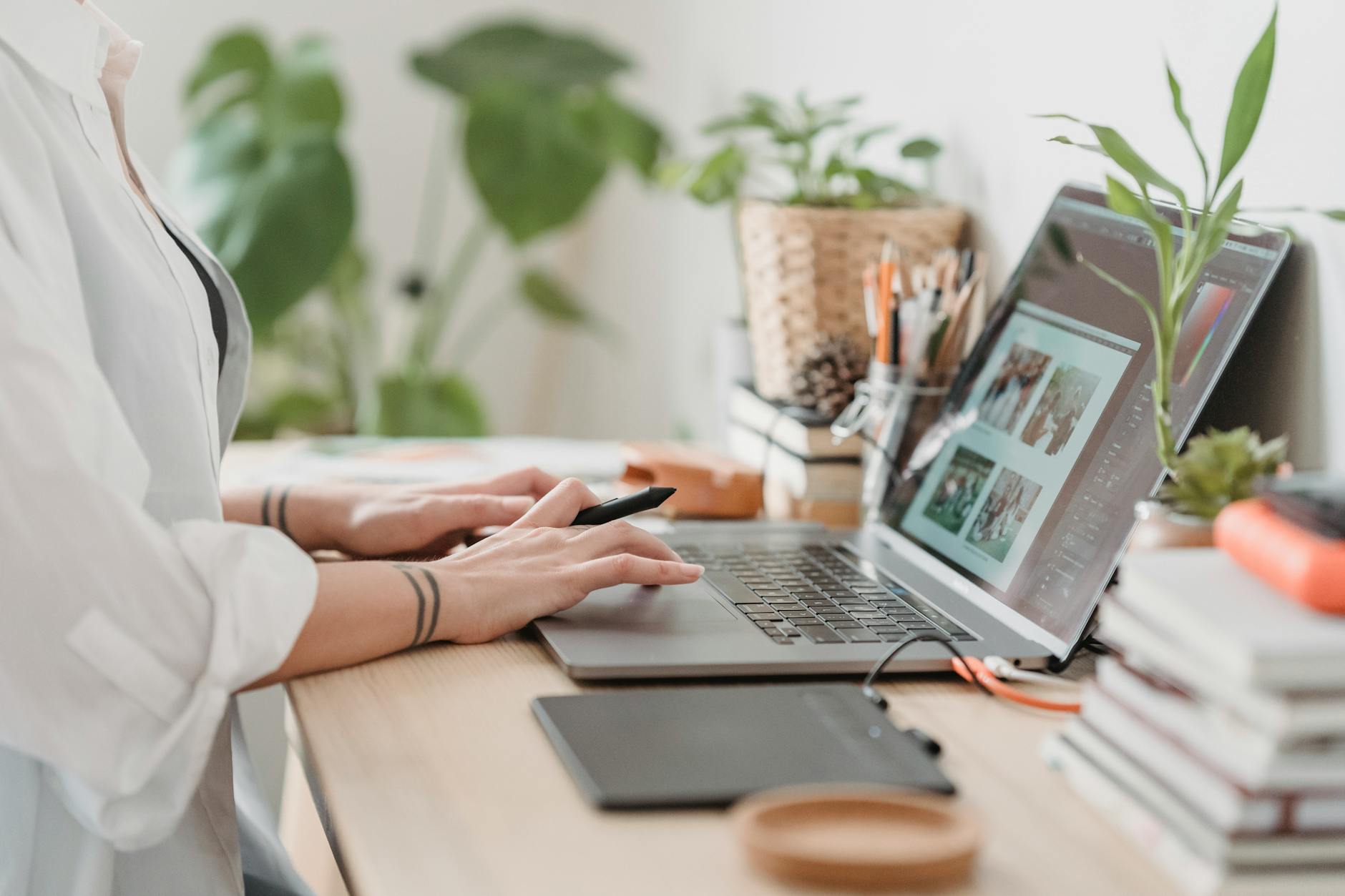
Photo by George Milton
For more tips on building a winning POD business, check out this guide on print on demand hidden costs.
Also, if you want to dive deeper into how to find and hire designers specifically for POD, this useful resource explains the advantages and how to choose the right person.
How to Find the Best Freelance POD Designers
Finding freelance designers who truly get print on demand (POD) can feel like hunting for a needle in a haystack.
It’s not just about picking someone who can create pretty art. You want designers who understand the unique needs of POD, such as print quality, file formats, and product compatibility.
Knowing where to look and what to look for makes a huge difference. Let’s break down the best places and tips to connect you with talented freelance POD designers ready to bring your ideas to life.
Top Online Platforms for POD Designers
When it comes to hiring freelance POD designers, several popular platforms stand out.
Each one caters to different needs and budgets, so picking the right site depends on what kind of talent and service level you want.
- Upwork is a large freelance marketplace with a wide range of designers. It’s great if you want a detailed job post, multiple bids, and the chance to interview candidates. Upwork offers reviews and work history so you can vet freelancers carefully. Look for designers who highlight experience with print on demand products specifically.
- Fiverr works on a gig-based model, which can be perfect for quick, budget-friendly designs. You can easily browse by category and check portfolio samples upfront. Fiverr tends to have many sellers offering POD-ready design packages, which helps if you just want to order a finished product. However, quality varies, so check reviews closely.
- Behance is a portfolio platform rather than a hiring site, but it’s excellent for browsing design styles and scopes. You can find designers with strong POD experience by filtering for those with apparel or merchandise projects. Contacting designers here is typically more informal and direct.
- Dribbble is similar to Behance, focused on showcasing quality creative work. Many freelance designers use Dribbble to highlight their skills. If you want to scout for a specific style or niche (like bold typography or illustration-heavy designs), Dribbble’s visual feed makes it easy.
Each platform has its perks:
| Platform | Best For | Pricing | Level of Control |
|---|---|---|---|
| Upwork | Long-term projects | Hourly or fixed | Detailed job posts and screening |
| Fiverr | Quick, affordable gigs | Fixed-price gigs | Easy browsing, less control |
| Behance | Portfolio scouting | Varies by designer | Direct outreach |
| Dribbble | Style-focused searching | Varies by designer | Direct outreach |
This should give you a solid starting point to find freelance POD designers who match your style and budget.
Networking & Social Media Outreach
Sometimes the best way to find designers isn’t through a platform but by tapping into communities where creatives hang out.
Networking offers access to talented designers who might not be on typical freelance marketplaces, plus you get a sense of their personality and professionalism firsthand.
Here’s how to do it effectively:
- Join Facebook groups or LinkedIn communities centered on print on demand, graphic design, or small business. These spaces often have freelance designers sharing their work, answering questions, and looking for gigs.
- Use hashtags like
#PODdesigner,#freelancedesigner, or#printondemandon Instagram and Twitter to discover creatives who post their projects regularly. - Participate in design-related forums such as Reddit’s r/Design or niche POD forums. Comment, ask for recommendations, or post job offers directly.
- Don’t overlook Discord servers for creatives. There are active channels dedicated to graphic design where you can meet freelancers in real time.
When you find promising candidates, reach out with a clear message mentioning your project scope and timeline.
Building a rapport before hiring helps set expectations and makes collaboration smoother.
For more on how to use social media to connect and promote your POD business, check out Print on Demand Social Media Strategies.
It’s packed with tips on getting the most out of your outreach efforts.
Evaluating Portfolios and Skill Sets
Once you’ve narrowed down a few designers, the real work begins: picking the right one.
Portfolios tell you a lot about a designer’s range and strengths, but it’s important to look beyond just pretty images.
Here’s what to focus on:
- POD-specific experience: Look for projects that involve actual products like t-shirts, mugs, or stickers. These designs show the designer knows how to create print-ready files with the right resolution, colors, and layouts.
- Style compatibility: Does their design style match your brand or target audience? For example, if your store sells trendy, minimalist apparel, a designer who specializes in detailed, ornate illustrations might not be the best fit.
- Versatility: Can they handle different types of prints? Versatile designers adapt from bold graphics to subtle text-based designs. This breadth is useful if you plan to diversify your product line.
- Presentation of work: Check if the portfolio includes mockups or pictures of finished products, not just raw artwork. This shows they think about real-world application, which means less guesswork for you.
- Consistency and quality: Look for clean lines, balanced compositions, and readability. These are crucial for print on demand since designs must look good up close and from a distance.
Finally, don’t hesitate to ask for sample work or a small test project before fully committing. This is a low-risk way to see if the freelancer understands your brief and works smoothly with you.

Photo by Andrea Piacquadio
Best Practices for Collaborating with Freelance POD Designers
Working with freelance print on demand (POD) designers can be a smooth and fruitful part of your business—when done right.
The key to success lies in setting clear foundations, keeping communication open, and managing your finances transparently.
Let’s break down the essential steps to build a productive partnership, so you both get the best results without surprises.
Setting Clear Expectations and Project Briefs
Before any work begins, getting on the same page with your designer is crucial. A detailed project brief acts like a roadmap and prevents confusion later on.
Here’s what to include when preparing your briefs:
- Project goals: What’s the purpose of the design? Is it for a t-shirt, mug, or a new product line? Specify the intended audience and style preferences.
- Design requirements: Detail colors, fonts, image styles, and any branding elements to be used. Mention print specifications like file format, size, and resolution.
- Deadlines: Clear timeline expectations keep everyone accountable and help manage your launch plans.
- Revision limits: Define how many rounds of revisions are included to avoid back-and-forth that stalls progress.
- Usage rights: Spell out who owns the design and if you have exclusive rights. This is key for protecting your brand.
Alongside the brief, having a simple but solid contract protects both parties. Outline payment terms, delivery schedules, and what happens if either side needs to cancel. Contracts keep things professional and set expectations upfront—no guesswork.
This upfront clarity saves headaches later and helps your designer deliver exactly what you need.
Effective Communication and Feedback Loops
Once work is underway, communication is your best friend. It bridges the gap between your vision and what the designer creates.
Use tools that make exchange easy and trackable:
- Project management apps like Trello or Asana let you share files, assign tasks, and track progress.
- Messaging platforms such as Slack or WhatsApp support quick questions and chat.
- Cloud storage systems like Google Drive keep all assets organized and accessible.
Be specific when giving feedback. Instead of “I don’t like this color,” try “Can you try a darker blue, closer to navy?” This precision helps avoid misunderstandings and speeds up improvements.
Set regular check-ins—weekly or bi-weekly depending on project size—to review drafts and address concerns in real time. It makes revisions smoother and keeps your timeline intact.
A smooth feedback loop balances listening and guiding, which encourages the designer to meet and often exceed your expectations.
Understanding Costs and Managing Budgets
Money talks, and so should you, right from the start. Freelance design costs vary widely depending on experience, project complexity, and delivery time.
Have an open discussion covering:
- Project fees: Fixed price or hourly rates? Make sure you understand how the designer charges and what’s included.
- Extra charges: Some designers charge for extra revisions, rush orders, or rights transfers. Being clear on these avoids surprises.
- Payment schedule: Decide whether to pay upfront, milestones, or after delivery.
- Taxes and fees: Clarify who covers these to avoid awkward last-minute bills.
Remember to factor in the Hidden Costs in Print on Demand. Design fees are one piece of the puzzle, but you’ll want to budget for fulfillment, shipping, and returns too.
Treat your freelance designer as a valued business partner. Transparency about budgets and expectations not only saves money but builds trust that leads to better collaboration and long-term success.

Photo by Mikhail Nilov
Conclusion
Working with skilled freelance POD designers brings a clear advantage to your print on demand business. Their specialized expertise translates into better designs, faster delivery, and the flexibility to scale as your store grows.
By following smart strategies to find, evaluate, and collaborate with the right freelancers, you set your products up for success without the typical overhead or delays.
Start applying these approaches today and watch your designs elevate your brand’s appeal and sales. Remember, the right creative partner does more than just produce art—they help shape the future of your business. Keep refining your process and stay open to learning, and your print on demand venture will thrive.












0 Comments