Handling Negative Reviews for Print on Demand Products [Quality Issues and Solutions]
.jpg)
Negative reviews are tough for any e-commerce store, but they can feel especially tricky when you’re selling print on demand (POD) products. Quality issues often pop up, and that can shake customer trust fast. The good news? Handling these reviews well doesn’t just protect your brand — it can actually turn unhappy buyers into loyal fans.
In this post, you’ll get straightforward tips on managing complaints about print on demand quality, from responding effectively to preventing common pitfalls. We’ll cover why customers complain, how to keep your cool when feedback gets tough, and practical steps to improve your offerings. If you’ve faced print on demand order problems or want to avoid common issues, this guide is made for you.
For more on troubleshooting and handling customer concerns, you might want to check out these insights on Print on Demand Order Problems and strategies for managing Print on Demand Negative Reviews. Together, these will give you a solid foundation to build not just better products but stronger customer relationships.
Understanding Why Quality Issues Cause Negative Reviews in Print on Demand
When you're running a print on demand (POD) business, the quality of your products is the heartbeat of your customer experience.
Even minor flaws can spiral into unhappy customers and negative reviews.
Let’s break down why these issues matter so much and what kinds of quality problems tend to cause trouble.
Common Quality Problems in POD Products
Print on demand is a fantastic way to get custom products out quickly, but it’s not without its challenges.
Here are some of the most frequent quality issues that tend to pop up:
- Print inconsistencies: Colors might appear faded, mismatched, or off-center. Sometimes, the print isn’t as sharp as customers expect because of low-resolution images or printer issues.
- Fabric quality: The material might feel thinner or rougher than advertised, leading to disappointed buyers who expected premium comfort.
- Size misprints: Tags or labels can be incorrect, or the item sizing can run small or large compared to standard charts.
- Design placement errors: Graphics might be cropped unexpectedly or appear distorted depending on how the print was applied.
- Durability problems: Prints can peel, crack, or fade after a few washes, making customers feel like the product wasn’t worth the price.
These problems aren’t surprises for anyone familiar with POD, but they hit customers as personal disappointments.
For a detailed guide on how to troubleshoot and avoid these common mishaps, the resource on Print on Demand Order Problems can be very helpful.
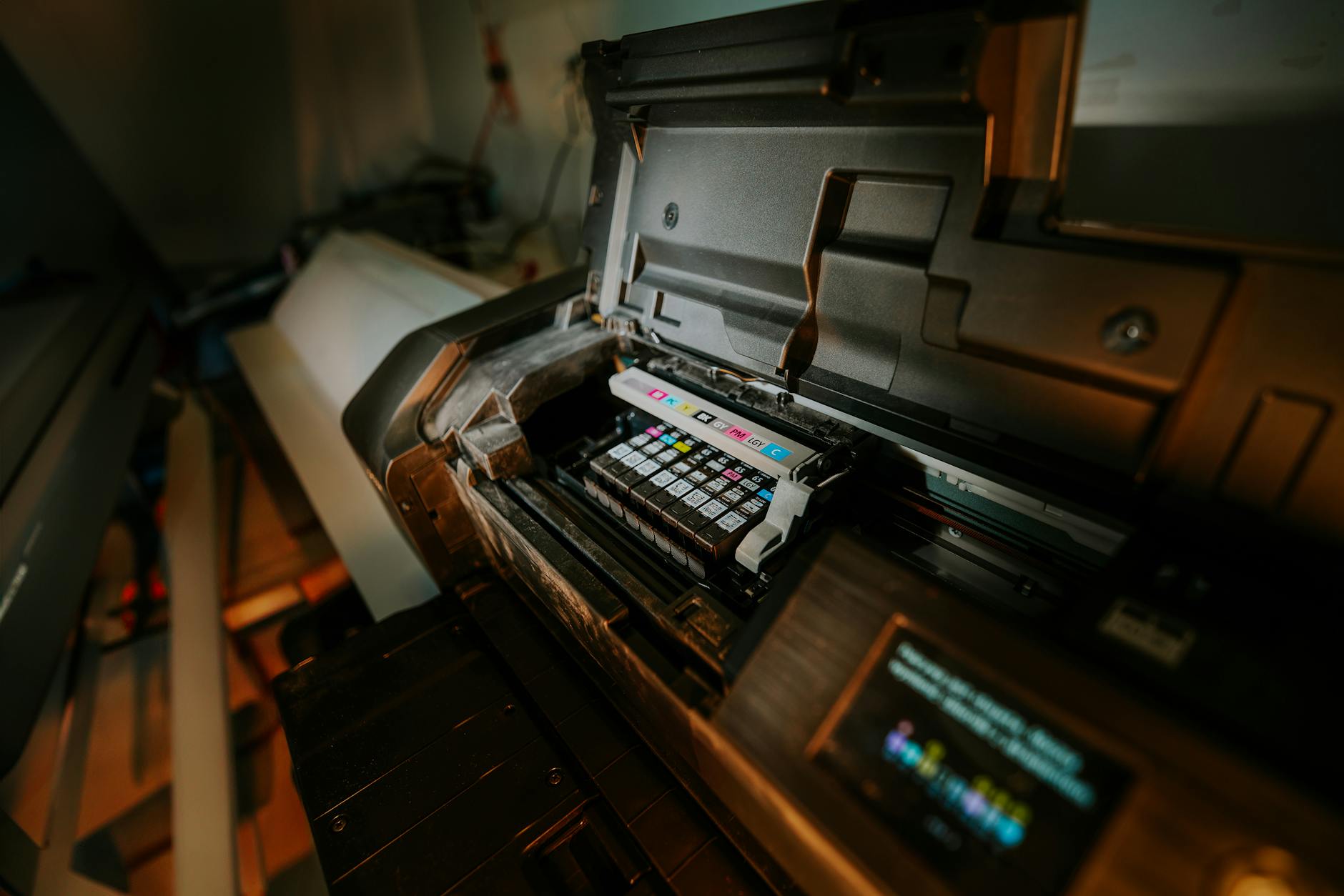
Photo by Jakub Zerdzicki
How Production Flaws Turn Into Negative Feedback
At first, a customer might simply feel a bit let down. But when they get a product that doesn’t match what they ordered or expect, their disappointment gains a voice—usually through a review. Production flaws often translate into these common complaints:
- Unmet expectations: If the colors are dull or the design is blurry, it feels like false advertising.
- Perceived lack of value: Poor fabric or faded prints make customers question why they paid full price.
- Usability issues: Items that don’t fit right or show wear quickly are simply frustrating to use.
- Return hassles: When problems arise, the customer experience can sour further if returns or exchanges aren’t smooth.
This negative feedback doesn’t just reveal dissatisfaction. It spreads doubt among potential buyers scanning your product page.
A few bad reviews can quickly snowball into a reputation that’s hard to recover from.
Articles like 17 Critical Print-on-Demand Mistakes to Avoid offer insights on how to catch these flaws early and avoid damage to your store’s rating.
Impact on Customer Trust and Return Rates
Trust is the currency of online shopping, and quality issues deplete it fast. When customers receive an item that falls short, their confidence in your brand takes a hit. This leads to:
- Lower repeat purchases: Buyers are unlikely to return after a disappointing experience.
- Higher return rates: Customers want their money back if the product fails to meet standards.
- Negative word-of-mouth: Beyond reviews, unhappy buyers share their frustrations with friends and social media.
- Slower growth: Word gets around that your POD offerings aren’t reliable, limiting new customer interest.
Protecting your brand means controlling quality from the start. Understanding these effects highlights why handling complaints quickly and improving production standards is not optional—it’s essential.
Customer trust won’t be won back overnight once it's lost, but clear policies and visible efforts to fix problems can soften the impact.
Keeping an eye on common POD pitfalls and staying proactive is your best path forward, so why not start now?
For more detailed advice on how to manage and turn around negative reviews related to print on demand, check out these helpful tips on Print on Demand Negative Reviews.
Best Practices for Responding to Negative Reviews About Quality Issues
Handling negative reviews about print on demand product quality calls for a mix of quick reactions and thoughtful care.
When a customer writes a complaint, it’s more than just words on a screen—it's an opportunity to show your commitment and possibly turn the situation around.
Here’s how to handle these reviews the right way, setting your business apart and keeping buyers coming back.
Responding Promptly and Professionally
Time is your ally when a negative review pops up. Don’t let days pass; ideally, you want to answer within 24 hours.
This shows you’re attentive and take their concerns seriously.
A fast reply can help calm a frustrated customer before the issue escalates.
But speed isn’t enough on its own. Your tone must stay professional and respectful, no matter how harsh the review sounds. Using phrases like “Thank you for bringing this to our attention” or “We’re sorry you had this experience” demonstrates that you value their feedback.
Here’s a quick checklist for your response:
- Acknowledge the issue clearly
- Apologize sincerely without making excuses
- Assure them you’re taking the complaint seriously
- Invite them to continue the conversation privately for resolution
When you combine promptness with professionalism, you build trust even in difficult moments.
Companies like Gelato recommend responding quickly to avoid more negative feelings and to keep the dialogue constructive.
Demonstrating Accountability and Offering Solutions
Taking ownership of the problem matters more than you might think. Even if the quality issue isn’t entirely your fault (remember, print on demand often involves third-party production), showing accountability signals reliability.
Avoid blaming suppliers or logistics partners in public replies. Instead, focus on what you can do to fix it.
Next, offer clear, practical solutions. This might include:
- Replacing the defective item
- Offering a partial or full refund
- Providing a discount on a future order
- Giving clear instructions for returning the product (if needed)
Highlight your readiness to make things right. For example, you could say: “We understand the print didn’t meet your expectations, and we’d like to send you a replacement at no extra cost.” It’s often the gesture that counts, not just the fix.
If you want more advice on managing customer feedback and turning reviews into growth, check out this guide on Print on Demand Negative Reviews.
When and How to Issue Refunds or Replacements
Deciding when to give a refund or replacement can be tricky but sticking to clear policies helps.
Refunds are usually appropriate when the product is unusable or doesn’t match the description.
Replacements suit cases where the product has flaws but can realistically be corrected (like a misprint or damaged packaging).
Here are some practical steps to handle refunds or replacements smoothly:
- Confirm the issue: Ask the customer to send a photo or a detailed description to verify the problem.
- Assess the request promptly: Don’t leave customers waiting days for an answer.
- Be clear about your policy: Explain what qualifies for a refund or replacement and any deadlines for requests.
- Make the process easy: Provide straightforward return instructions and cover any shipping costs if the fault is yours.
- Follow up: After the refund or replacement, check back with the customer to ensure satisfaction.
Issuing refunds or replacements with grace not only resolves the immediate complaint but also signals your brand cares about quality and customer happiness.

Photo by Mizuno K
Handling negative reviews is less about avoiding criticism and more about how you respond.
With quick, empathetic replies and clear solutions, you transform complaints into opportunities for connection and improvement.
This approach is critical in print on demand, where quality concerns wait around the corner but don't have to define your brand.
Turning Negative Experiences Into Positive Outcomes
Handling negative reviews, especially those focused on quality, isn't just about damage control—it’s a strong signal that something needs improvement in your print on demand process.
Every critical comment carries insights that can sharpen your products, tighten your operations, and boost customer trust.
Instead of seeing bad reviews as setbacks, treat them as a roadmap to excellence.
Here's how to transform complaints into constructive change and loyal relationships.
Analyzing Negative Reviews for Actionable Insights
Every negative review is a small goldmine of information if you know where to look.
The key is to move beyond frustration and find patterns or specifics that point directly to problems.
- Look for repeated complaints about the same quality issues like print fading, fabric feel, or sizing inaccuracies.
- Pay attention to details customers provide — photos, descriptions of how and when the defect appeared.
- Sort reviews by product or supplier to spot whether problems trace back to particular designs or vendors.
This detailed analysis helps you identify the root causes rather than just treating symptoms. Knowing exactly what goes wrong allows you to focus your efforts efficiently. It’s like customer feedback becomes a live diagnostic tool guiding product development.
Tracking these insights consistently can reveal hidden costs in print on demand operations that aren’t obvious upfront, such as returns, replacements, or reputational damage.
If you’re curious about factors that drain profits silently, you might find this article on Hidden Costs in Print on Demand informative and eye-opening.
Implementing Quality Control Improvements
Once you've gathered clear insights from reviews, the next step is action. Improving quality control might sound like an obvious move, but the details matter.
Start by:
- Establishing stricter checks with your print partners or suppliers.
- Ordering regular test prints to catch flaws before full runs.
- Requesting fabric samples if you notice material complaints.
- Adjusting designs if placement or sizing errors show up repeatedly.
Communicate these checks clearly with your production teams or POD platforms. Many quality problems happen because expectations aren’t aligned, or steps fall through the cracks.
By standardizing your quality criteria and making production accountable, you reduce defects that trigger negative feedback.
Keep in mind, quality control isn’t a one-time fix; it’s an evolving process. Customer feedback loops offer ongoing data to refine your standards.
When customers see improvements in product quality, their trust rebounds fast—and so do your repeat sales.
Rebuilding Customer Relationships for Long-Term Loyalty
Fixing the product is just one part of the story. How you respond after a negative review shapes your brand's reputation more than the complaint itself.
What matters is demonstrating that you hear your customers and care enough to make amends. This can be done by:
- Reaching out promptly with personalized offers like replacements, refunds, or discounts.
- Thanking them sincerely for their honesty and patience.
- Following up to ensure the issue is resolved to their satisfaction.
Building trust starts with owning mistakes openly and turning customer pain into positive experiences.
This sincere approach often wins back even the most frustrated buyers and turns them into advocates.
Try also to invite improved reviews once you resolve issues, as fresh positive feedback can drown out the old complaints and show that you're committed to quality and service.
For more ideas on engaging customers post-purchase and boosting your print on demand sales through strong relationships, explore this guide on Print on Demand Social Media Strategies.

Photo by Markus Winkler
Conclusion
Handling negative reviews about print on demand product quality is all about turning challenges into chances. Quick, honest responses combined with clear solutions like replacements or refunds build trust and show customers you care.
Use feedback as a guide to pinpoint where your process needs tightening, whether that’s improving print accuracy or updating your return policies.
Remember, every complaint offers valuable insight—tracking recurring issues lets you fix problems before they grow. Investing time in quality control not only cuts down on negative reviews but also boosts customer loyalty and repeat business.
If you want to strengthen your approach to customer service and returns, checking out best practices for handling returns in print on demand can make all the difference.
Facing negative reviews isn’t fun, but embracing them as a tool for growth sets your print on demand business on a path to lasting success. Ready to turn feedback into fuel for your brand? It’s a smart move that pays off long-term.












.jpg&description=Handling Negative Reviews for Print on Demand: Quality Issues & Solutions Guide)
0 Comments