Personalization & Customization: How Print on Demand Is Shaping the Future of Ecommerce
.jpg)
Think about the last time you bought something just for you, maybe a shirt with your favorite quote or a mug with your pet’s face. More and more shoppers want products that feel personal, not just generic. That’s where print on demand (POD) comes in.
With this model, you can put designs, names, or artwork right onto items—from t-shirts and hoodies to home goods—only after a customer places an order.
Print on demand is changing how people shop and sell. In fact, the rush for unique, made-for-you products is driving huge growth in the POD space. Customers want control, brands want loyalty, and nobody wants leftover stock gathering dust.
It’s not just a trend; it’s becoming the new normal in ecommerce. If you’re curious about how this shift is taking shape, you’ll see why print on demand is set to lead the future of personalized shopping. For a deeper breakdown of how print on demand works, check out this guide to print on demand.
Understanding the Power of Personalization in Print On Demand
Personalization in print on demand means giving customers the power to create something truly their own. Think about a hoodie with your name embroidered in your favorite color, or a mug featuring your pet’s photo. It’s more than just slapping a design on a product.
It’s about letting buyers play designer, inject their personality, and get something nobody else has.
Brands in the POD space are now leaning into this concept big time. Custom names, photos, handwritten messages—these features are showing up everywhere.
Putting the customer at the center transforms standard merchandise into keepsakes, gifts, and statement pieces that people love to talk about.
How Personalization Drives Customer Engagement
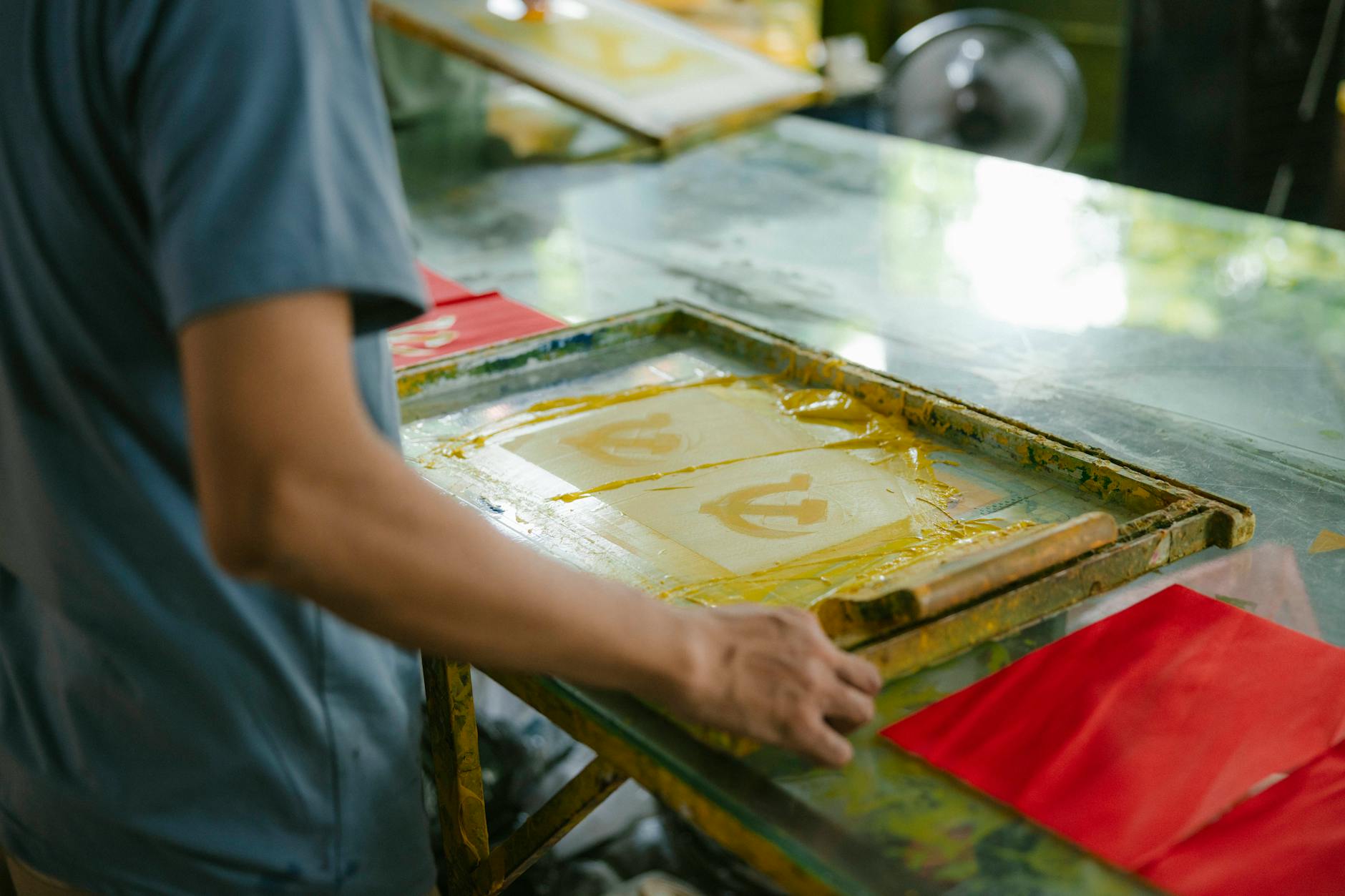 Photo by HONG SON
When products feel tailor-made, people get attached. Personalized print on demand items create an emotional bond between customer and brand, making every purchase memorable.
You can spot this connection in a few ways:
- Sentimental Value: A shirt with a child’s drawing, a pet’s face on a tote, or initials engraved on a water bottle turns ordinary items into something with real meaning.
- Muted Returns: People rarely return personalized products. Why? Because they’re literally made for them.
- Gift-Ready Appeal: Customization turns everyday products into perfect gifts—think birthdays, weddings, or quirky inside jokes. This makes them more likely to be shared, talked about, and remembered.
- Social Sharing: Shoppers love showing off unique goodies on Instagram and TikTok. That organic buzz gets your brand in front of more eyes, with no extra ad spend.
When shoppers feel seen and appreciated, it’s easier to turn a one-time buyer into a lifelong fan. Loyalty programs and email offers for past buyers of custom items work well because you’ve already created a deep, positive experience.
Want proof? Many successful brands have built their reputation around making “one-of-a-kind” the norm.
If you want to see what products are thriving with personal touches, check out this roundup of bestselling print on demand products for ideas.
Revenue and Profitability Advantages of Personalization
Personalization isn’t just about happy customers—it’s a smart business move. People expect to pay more for items that have a special touch.
That means you can increase your average order value without feeling pushy or salesy.
Here’s what happens when brands offer true customization:
- Higher Margins: Personalized items don’t compete on price alone. Customers value the unique aspect and are willing to pay a premium for it.
- Bigger Baskets: Once shoppers have personalized one item, they’re often tempted to add more. Add-ons like matching mugs or phone cases bring up the cart total.
- Fewer Returns and Refunds: Made-to-order is made to last in the customer’s mind, so you keep more of each sale.
- Repeat Purchases: When buyers remember how easy and fun it was to personalize, they’ll come back for holidays, birthdays, or even work events.
Businesses thrive when they shift from generic stock to unique, memory-making products.
Curious about the bottom-line impact? This post dives into all the numbers you need to know: Is print on demand profitable?
The bottom line: offering names, photos, and custom art isn’t just trendy, it’s strategic.
The brands that get this right aren’t just making sales—they’re building a loyal customer base who can’t wait to come back for more.
Customization: Delivering Uniqueness and Flexibility at Scale
Customization is the process of letting buyers pick features, colors, or layouts on a product—made just for them before it even ships.
While personalization tailors a product to an individual (think names or photos), customization opens up choices so buyers can design something unique within set options.
This power not only makes items feel special but also makes mass-market products look like limited editions.
With print on demand (POD), this isn't just cool—it's a core advantage that sets brands apart from bulk retailers and traditional dropshippers.
Let's get into the real-world ways customization works and why it's the POD model’s secret sauce for both customers and sellers.
Types of Customization in POD
 Photo by Jakub Zerdzicki
When it comes to print on demand, customization can take many forms. Some options are as simple as picking a color or shirt size, while others allow the customer to tweak designs, add text, or even upload their own artwork.
Here’s a look at the most common and innovative forms brands use right now:
- Color Selection: Customers choose their preferred colorway for apparel, mugs, tech accessories, and more.
- Size and Fit Options: Clothing and wall art can come in a variety of fits, from unisex to slim, and in sizes from kids to plus.
- Design Variants: Brands might offer several artwork layouts for a single product, giving shoppers control over how their item looks.
- Text Input: Adding names, slogans, messages, or dates—perfect for gifts and special occasions.
- Image Uploads: Many POD stores allow photos or custom graphics to be uploaded directly, so customers put their own stamp on a product.
- Material Choices: Some retailers let buyers pick between cotton, blends, eco-friendly fabrics, or even metal finishes for home goods.
- Collaborative Customization: A few innovative stores give shoppers the power to edit design elements live, using drag-and-drop tools or virtual previews on their site.
This mix of options gives buyers just enough flexibility to make choices without getting overwhelmed.
What’s really smart about POD is how it avoids the chaos of traditional custom orders—automating production and fulfillment so businesses can offer endless variety but still manage costs and complexity.
Forward-thinking brands push this even further with features like:
- Real-Time Previews: Let customers see their creation before they buy.
- Augmented Reality (AR): Preview designs in a real-world setting (think wall art on your living room wall).
- Crowdsourced Designs: Let shoppers vote on new products, so the best ideas actually get made.
With every added choice, brands boost both perceived value and customer satisfaction—turning basic products into exclusive experiences, at scale.
POD vs Traditional Dropshipping: The Customization Edge
Traditional dropshipping works by selling what’s in the supplier’s catalog—no tweaks, no extras, just stock items sent to shoppers.
POD flips this script, letting sellers put a unique product in every shopper’s cart.
What’s the edge? Here’s why customization puts POD in a class of its own:
- Differentiation: Print on demand lets you escape the “me too” product trap. You’re not stuck selling the same generic mug or shirt as 50 other dropshippers.
- Brand Identity: Customization helps turn your brand into a destination, not just another vendor. People come back for the experience, not just the item.
- Customer Loyalty: When shoppers create something themselves, they feel invested. That attachment is hard for bulk-only sellers to beat.
- Pricing Power: Unique, customized items allow for higher markups. Shoppers expect to pay a bit more when they’ve had a hand in the design.
Of course, offering this flexibility at scale isn’t without hiccups. POD requires systems for order handling, on-demand printing, and quality checks—all while keeping things speedy and accurate.
Automation tools and good print partners are key here.
Still, compared to traditional dropshipping, print on demand reduces inventory risk and gives brands the creative control needed to really stand out.
If you want a deeper side-by-side, the Print on Demand vs Dropshipping Comparison breaks down just how much customization tips the scales in POD’s favor.
The upshot? Customization is the ticket to selling one-of-a-kind products on a massive scale.
It’s where customer choice meets efficient, risk-free operations—all wrapped up in the POD package.
Emerging Technologies Shaping the Future of Print On Demand Personalization
The pace of change in print on demand isn’t slowing down, especially with new tech launching what feels like every week.
If you’re a seller or thinking about diving in, these advancements aren’t just bells and whistles—they’re rewriting the playbook for how you create, manage, and sell personalized products.
AI design tools, real-time previews, and slick automation builders are making POD easier, smarter, and more fun for everyone.
Let’s break down what’s hot, what’s actually useful, and how these tools are shaping both the customer and seller experience.
AI and Machine Learning in Product Personalization
 Photo by Jakub Zerdzicki
Artificial intelligence isn’t just for Silicon Valley companies anymore. In print on demand, AI is everywhere—from giving design suggestions to handling smart product recommendations and predicting trends before they hit the mainstream.
Here’s how AI is shaking up customization right now:
- Smart Design Suggestions: AI-powered engines can take customer data (like color preferences or past purchases) and whip up product ideas that actually resonate. Imagine entering a few details and instantly seeing designs that feel like “you.”
- Automated Personalization: Systems can generate names, images, or text layouts on products automatically so each item is unique. This doesn’t just save time—it scales to thousands of orders with zero manual tweaks.
- Trend Forecasting: Machine learning looks at sales patterns, seasonal changes, and even pop culture, helping sellers predict which personalized items will be hot next month.
- Product Recommendations: AI algorithms suggest custom items your customer might like but hasn’t thought of yet. This upselling tactic quietly lifts your average order value while keeping the shopping experience personal.
Want to dive even deeper? Check out this detailed guide on AI & the future of personalized print-on-demand products, which walks through specific tools making a difference today.
You don’t need a computer science degree to use these tools. Most modern POD providers make it plug-and-play, so you set the rules and let AI handle the busywork.
If you’re curious about what’s possible, take a peek at these best AI automation tools for print on demand.
Improving the Customer Journey with Interactive Tools
Today’s shopper isn’t content to hit “add to cart” and hope for the best. They want to see, tweak, and play with their custom product before buying.
That’s where interactive tools step in, offering a fun buying experience that reduces doubt and turbocharges conversions.
Leading POD shops are rolling out smart tools like:
- Preview Generators: Live, on-page previews let buyers watch their name, photo, or design appear on the mug or shirt they’re ordering—in real time.
- Virtual Try-Ons: See how a hat looks on your head, or picture that print on your actual living room wall, using augmented reality.
- Customization Builders: Drag-and-drop design editors give total control back to the buyer, so they can experiment risk-free until it’s perfect.
These features do more than just look cool. They:
- Cut down on cart abandonment (because shoppers see exactly what they’re getting)
- Shrink return rates (few surprises means fewer complaints)
- Boost customer satisfaction (because it’s actually fun)
Want a real-world peek? There’s a full showcase of on-demand 3D previews in action, highlighting how sellers are getting buyers off the fence and into checkout.
Shopify stores with tools like Teeinblue’s product personalizer are upping their conversion rates by making the process feel like creative play, not a guessing game.
What’s even better, these widgets and builders don’t just help the customer. They ease your support load, streamline order management, and keep quality tight with automated proofing. That’s how personalization scales without chaos.
If you want pro-level tips on integrating these interactive features into your print on demand setup, check the ultimate guide to launching products your audience actually wants. It’s full of step-by-step ideas you can copy or adapt.
Tech in POD isn’t about showing off—the real win is a faster, happier, more personal buying journey.
The brands making smart use of AI and interactive tools now are the ones creating fans, not just customers.
Conclusion
The shift toward personalization and customization has turned print on demand from a nice-to-have into a must for any brand that wants to stay ahead. Buyers expect more choices and unique experiences, and that means POD sellers who tap into these trends can future-proof their businesses and connect with customers in real ways.
Flexible options, personal touches, and smart tech now deliver what shoppers want and keep them coming back.
If you want to build a business that stands out, this is the time to bring personalization front and center in your offer. Take what you’ve learned here and apply it—experiment with more custom features, streamline your ordering process, and let new technology do the heavy lifting. If you need more tips on scaling or launching in this market, try the Beginner's Guide to Print on Demand for step-by-step help.
Thanks for reading. How will you add more value and connection for your POD customers this year? If you have strategies—or just want inspiration—share below or check out more tips on our blog for fresh ideas and support.












.jpg&description=Print On Demand Personalization: How Custom Products Are Changing Ecommerce)
0 Comments