How to Order and Evaluate Print On Demand Samples Like a Pro [Step-by-Step Guide]

Ordering print on demand samples before launching your products isn’t just a nice-to-have—it’s essential. It saves you money by catching mistakes early, helps ensure your product meets your quality standards, and boosts customer satisfaction from day one.
Knowing how to evaluate these samples like a pro puts you in control, avoiding surprises that can hurt your brand.
This process might feel a bit tedious at first, but it’s a small step with a big payoff. You’ll learn exactly how the final product looks, feels, and ships, which helps you decide if it’s ready for your store.
For more insights on common challenges with POD orders, check out this Print on Demand Order Issues Guide to troubleshoot potential problems before they turn into costly headaches.
Understanding the Necessity of Ordering POD Samples
When you’re running a print on demand business, ordering samples isn’t just an optional step—it’s your first real quality control checkpoint. Imagine putting your best designs out there but never seeing or feeling the actual products. That’s like baking a cake without tasting a crumb.
Samples give you a chance to verify everything from print quality to material feel before your customers do.
Getting physical samples lets you check if colors pop the way they should, the fabric feels right, and the print holds up under close inspection. This hands-on experience helps you avoid disappointing customers and protects your brand’s reputation.
Let’s break down why samples matter, how they can save you from common ordering errors, and why they’re vital for sizing up your suppliers.
Why Samples Matter in Print on Demand
In print on demand, every detail counts because you never hold inventory before selling. Samples become your trusted partner to:
- Verify print quality: Check if designs come out crisp, vibrant, and exactly as expected.
- Assess material quality: Feel the fabric or product base to ensure it meets your standards for comfort and durability.
- Confirm color accuracy: Colors can look different on screen versus print, so samples prevent surprises.
- Experience overall product feel: The way a product looks online doesn't always match reality. Samples put you face-to-face with texture, weight, and construction quality.
Without samples, you're trusting hope over proof. That’s a risky leap for your brand credibility and customer satisfaction.
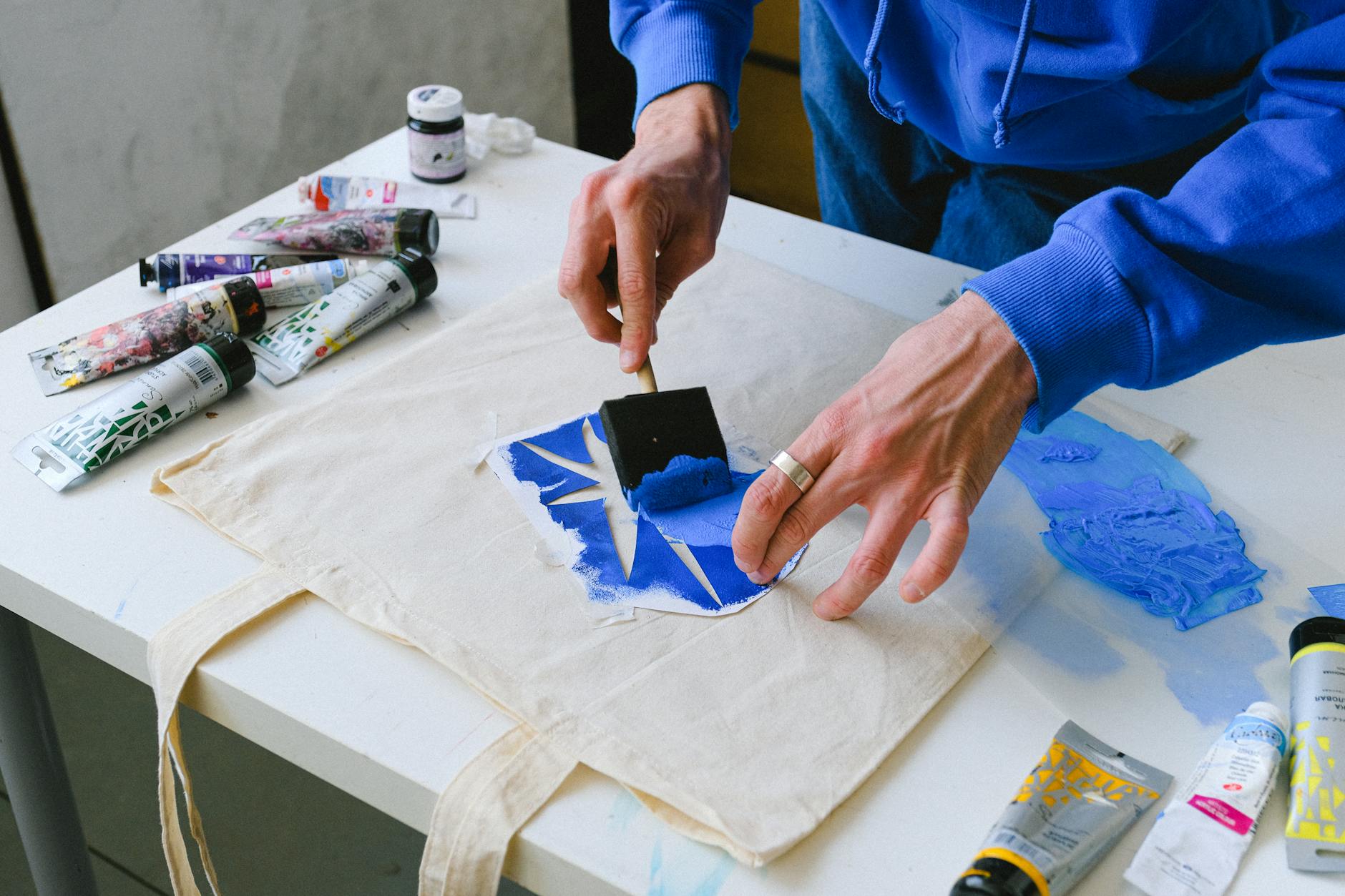
Photo by Anna Shvets
Common Print on Demand Order Problems and How Samples Help
Mistakes in print on demand orders happen more often than you think. From wrong colors to off-center prints, these mishaps can easily slip through if you skip ordering samples first.
By ordering samples, you catch errors that might otherwise reach your customer.
Some typical issues you can avoid:
- Print misalignment or cropping errors
- Poor color matching
- Low-quality materials that feel cheap or wear quickly
- Incorrect sizing or scaling of designs
Failing to catch these problems early leads to costly returns, unhappy customers, and lost sales.
That’s why proactive testing through sample orders is non-negotiable.
For a deeper look at print on demand order hiccups and solutions, see the detailed Troubleshooting Print on Demand Orders guide.
Evaluating Suppliers Through Sample Orders
Not all print on demand providers deliver the same level of quality or reliability. Ordering samples allows you to judge a supplier on:
- Consistency: Are multiple samples identical in print quality and material feel?
- Production speed: How fast do samples arrive after ordering? This can hint at overall order fulfillment times.
- Packaging: Is the product protected? Does it arrive well-presented?
- Supplier customer service: How responsive is the team if you have questions or need exchanges?
Testing your supplier with real orders first helps you build confidence in their operation and avoid disruptions after launch. It’s like test-driving a car before you buy it.
You wouldn’t skip this step, so why skip it in print on demand? Learn more about choosing the right supplier with a strategic approach to sample orders.
For those new here, our Print on Demand Startup Guide offers solid, practical tips that complement this process.
Ordering samples isn’t a delay—it’s an investment in quality, brand trust, and long-term success in your print on demand business.
Steps to Order Print on Demand Samples Effectively
Ordering print on demand samples is more than just clicking a button.
It requires strategy to get the right products in hand without overspending or getting swamped in details.
By following a clear process, you’ll make your sample orders count—giving you accurate insights without wasting time or money.
Here’s a practical guide to choosing what to order, managing costs smartly, and keeping track of everything for smoother evaluations later.
Selecting the Right Products and Variants to Sample
Not every product or color needs a sample. The key is to match your sample orders to your store’s SKU lineup and the preferences of your target market.
This way, you avoid random orders and get samples that truly help with decision-making.
Consider these steps:
- Focus on your best-sellers: Start with the top-selling or flagship items you want to feature prominently.
- Pick popular sizes: Don’t order every size—go for those that represent the bulk of your customer base.
- Choose market-friendly colors: Some colors print differently. Sample the ones you expect to sell the most or the trickiest hues.
- Test new products selectively: If you’re launching a new item, get samples early to review fit and print placement.
- Consider fabric or material types: Different materials react to print in unique ways, so be sure to test those variants.
Having a tight list for samples keeps things manageable and meaningful. It’s like tasting the key ingredients before cooking the whole meal.

Photo by RDNE Stock project
Placing Sample Orders to Minimize Hidden Costs
Ordering samples isn’t just about the sticker price. Shipping fees, taxes, and unexpected charges can sneak up and disrupt your budget if you’re not careful.
Here’s how to avoid getting hit by surprise expenses:
- Check shipping options carefully: Choose economy or standard shipping where timing allows.
- Bundle samples if possible: Ordering multiple samples in one batch often reduces per-item shipping.
- Be aware of customs and import fees: If ordering internationally, know that charges can add up.
- Watch for restocking or cancellation fees: Some POD suppliers charge for changes after ordering—plan carefully.
- Use the supplier’s sample discounts: Many platforms offer discounted sample prices; don’t skip these deals.
Managing these costs upfront saves headaches later. For a deeper dive into avoiding unexpected fees, you can read about Hidden Costs in Print on Demand.
Tracking and Documenting Sample Orders for Reference
Once you place your sample orders, organization is your best friend.
Keeping detailed records means no more guessing which supplier sent what or when your last sample arrived, especially when you’re juggling multiple products and vendors.
Make a simple system that includes:
- Supplier name and product details
- Order date and expected delivery
- Colors and sizes sampled
- Notes on print and material quality
- Photos of the received sample for visual reference
This documentation acts like a product diary, helping you quickly compare suppliers and versions over time. You’ll thank yourself later when making decisions or addressing issues.
Plus, keeping track helps you spot unreliable suppliers or recurring problems quickly.
Organized tracking is particularly useful if you’re managing a growing catalog. It’s actually a powerful habit for any serious print on demand business owner looking to build a brand customers trust.
Applying these steps makes your print on demand sample ordering efficient and effective.
It’s not just about buying products—you’re gathering vital information that keeps your store on point and your customers happy.
For a broader look at how product quality fits into profitable business strategies, check out insights on Is Print on Demand Profitable?.
How to Evaluate Your Print on Demand Samples Like a Pro
Getting your print on demand samples in hand is just the start.
Knowing exactly what to look for—and how to judge every detail—sets you apart from the crowd.
A close, methodical inspection reveals whether your products will impress customers or fall short.
Think of it like being a detective, hunting for clues in fabric, print, and packaging that tell the real story behind these products.
Let’s walk through the key areas you want to focus on to evaluate your POD samples like someone with years of experience under their belt.
Inspecting Print Quality and Color Accuracy
This is the heart of your product’s appeal. When your design hits the fabric or item, it should come alive—sharp, vibrant, and true to your original artwork.
Here’s how to assess print quality and color accuracy with precision:
- Compare to your design files: Keep your original digital design open on a calibrated screen so you can spot differences easily.
- Look for sharp edges and clear details: Blurry lines, fuzzy borders, or pixelated spots are red flags.
- Check for color matching: Colors on the sample should closely mirror your design. Remember, prints can sometimes shift in tone depending on the material. Tools like Pantone color guides or color calibration apps help with exact matching but a trained eye can notice subtle shifts too. Vibrant colors should pop, whereas muted tones should remain soft, not faded or oversaturated.
- Spot print defects: Watch out for issues like smudges, ink pooling, or incomplete coverage. These often indicate printing problems that will lower your product’s appeal.
The goal is to make sure what you see on screen translates well into the real world.
If the colors are off or the print is less crisp, customers will notice—and so will your return rate.
For detailed insights on print quality and color matching, you can refer to this guide on print quality and color accuracy which breaks down how to pinpoint and correct common printing issues.
Assessing Material and Product Construction
What your customers wear or use needs to feel good and last long. The fabric weight, stitch strength, and overall build tell the story of product quality.
These areas deserve a thorough check when examining your samples:
- Feel the fabric: Is it soft but sturdy? Thin or flimsy? The material choice impacts comfort, wearability, and how well prints hold up over time.
- Fabric weight matters: Heavier fabrics usually signal durability, but they must balance with comfort. You want your items to feel substantial without being stiff or scratchy.
- Inspect stitch quality: Seams should be tight, even, and without loose threads or gaps. A poor stitch can unravel quickly and disappoint customers.
- Check product durability: Tug lightly at seams and fabric to judge elasticity and strength. Remember, a durable product builds trust and reduces returns.
Durability isn’t something you can always guess—it shows itself in the details. If your sample feels cheap or poorly made, your customers will too.
For a deeper understanding of durable materials and how to pick the best ones for print on demand products, this resource on materials for lasting digital printing offers clear guidance.
Fit and Sizing Verification
Fit can make or break apparel sales. A great print on demand design won’t save a shirt that fits too tight or cuts oddly.
Here’s how to make sure sizing hits the mark:
- Order multiple sizes: Compare samples side-by-side across your key size range (small, medium, large, etc.). This reveals consistency and helps identify any sizing quirks.
- Wear or measure the garments: Try the samples on yourself or measure crucial points like chest, length, and sleeve width. That way, you confirm if products align with published size charts.
- Note differences vs. size guides: POD providers sometimes have sizing variations. Pinpointing them early protects you from surprise complaints.
- Evaluate product dimensions for non-apparel: If you’re ordering mugs, phone cases, or other items, use a ruler or tape to verify dimensions match your product listings.
Proper fit meets customer expectations and reduces returns. For tips on perfecting your print on demand design sizing, check this T-shirt design size guide.
Packaging and Labeling Review
Your product’s story doesn’t end at the product itself. Packaging and labeling greatly affect the unboxing experience, shaping how customers view your brand.
Here’s what to watch for:
- Packaging quality: Is the packaging sturdy enough to protect your product during shipping? Is it neat and professional-looking? Cheap or damaged packaging can undermine all the good work you've done on your product itself.
- Brand representation: Look for clear labels, tags, or inserts that include your branding, care instructions, or other details. These touches show professionalism and care.
- Label accuracy: Check that size labels, fabric content, and washing instructions are correct and easily readable. Incorrect or missing info can confuse or frustrate customers.
- Eco-friendliness: Many customers value sustainability. If your packaging uses recycled or minimal materials, highlight this in your product descriptions for a marketing edge.
Getting your packaging right means customers feel like they’re opening a premium product, not just receiving a shipped package.
To get a better grasp on choosing print on demand suppliers who offer good packaging and labeling options, this article on best print on demand companies can help you compare providers.

Photo by Andrea Piacquadio
Evaluating your print on demand samples across these 4 areas gives you complete confidence before you commit to your full product launch.
Quality print, solid materials, proper fit, and neat packaging come together to create a customer experience worth repeat business.
From here, you’re not just selling prints on products—you’re building trust and loyalty with every order.
If you want to explore common challenges and troubleshooting tips after evaluation, this detailed Print on Demand Order Issues Guide is a helpful next read.
Optimizing Your Print on Demand Business Based on Sample Feedback
Getting your print on demand samples is just the start. What truly shapes your success is how you use the insights from those samples to refine your products, improve quality, and ultimately align your offerings with what customers want.
Sample feedback isn't just about spotting flaws—it’s a roadmap to smarter product choices and stronger supplier relationships.
Let’s dig into how to turn that feedback into action that boosts your brand and profitability.
Communicating Feedback to Suppliers Effectively
Giving clear, respectful feedback to your POD suppliers is key to improving quality and avoiding repeated mistakes.
Think of it as a conversation where you’re both working toward the same goal: a product your customers will love.
Here are some tips to get your message across effectively:
- Be specific: Instead of saying “the print looks bad,” describe exactly what’s off—like colors being too dull or print alignment being off-center.
- Use photos: A picture is worth a thousand words. Snap close-ups to show exactly where the issues lie.
- Suggest solutions: If you know certain settings or print techniques work better, mention these to guide the supplier.
- Stay polite and professional: This keeps the door open for ongoing cooperation and better service.
- Request confirmation: Ask your supplier to acknowledge the feedback and explain how they will fix it.
Remember, suppliers value detailed, actionable input. Clear communication shortens the path to improved quality and smoother orders.
Refining Product Selection Before Launch
Your sample evaluation does more than fix issues—it guides you in choosing which products truly deserve a spot in your store.
This step helps reduce future returns and increases customer satisfaction by ensuring what you offer fits your market perfectly.
Use sample feedback to:
- Identify winners: Which items have the best print quality, fabric feel, and fit? Start with those.
- Drop or tweak weak products: If a sample disappoints, drop it or work with your supplier to improve the flaws.
- Focus on customer preferences: If your sample review shows certain colors or materials perform better, prioritize those.
- Adjust sizing and fit: Refine your size guides using real sample measurements and feedback.
- Track returns reasons: Use customer feedback after launch to tweak your product selection over time.
By treating your sample review like a dress rehearsal, you make your actual launch more confident and profitable.
It’s like auditioning cast members before opening night—you want only the best on stage.
Maximizing Print on Demand Profitability with Quality Control
Profitability in print on demand depends heavily on quality control. Shipping products that meet expectations leads to fewer returns, stronger reviews, and repeat customers.
Skimping on quality checks is a false economy.
Some practical ways to maximize your earnings through sample-based quality control include:
- Catch defects before launch: Samples let you spot issues early, avoiding lost sales and unhappy buyers.
- Improve product consistency: Holding suppliers accountable for quality helps build trust and smooth operations.
- Reduce refund rates: Better products mean fewer returns and lower processing costs.
- Boost customer loyalty: Customers appreciate products that look and feel great—they’re more likely to buy again.
If you want to dive deeper into these strategies, check out Maximizing Print on Demand Earnings for insights on turning quality control into real profit advantage.
Photo by Shotkit
Troubleshooting Common Issues With POD Samples
Ordering print on demand samples can feel like a straightforward step—until something goes wrong.
From unexpected errors in the order to surprise fees that throw off your budget, encountering hiccups during this stage is common.
The good news? Most issues are fixable with a calm, step-by-step approach.
The key is knowing how to spot problems early and what to do next so your sample process keeps moving smoothly.
Let’s break down some of the frequent issues you might run into and outline practical solutions to troubleshoot them confidently.
Dealing with Order Errors and Missing Items
One of the most frustrating moments in ordering POD samples is receiving the package only to discover errors like wrong products, missing items, or damaged goods.
These mistakes can throw your evaluation off-balance and delay your timeline. Here's how to handle such situations like a pro:
- Document everything immediately. Take photos of the items you received and note any discrepancies such as wrong sizes, incorrect prints, or missing products.
- Check your order receipt carefully. Confirm that the supplier’s shipment matches what you ordered.
- Contact customer support promptly. Reach out to the supplier’s service team with clear details and your photos. Most reputable POD options want to make things right quickly.
- Request replacements or refunds as needed. Know your options and be firm but polite in requesting a resolution.
- Follow up regularly. If you don’t hear back in a few days, check in again to keep your case active.
- Keep communication in writing. It helps track promises and avoid misunderstandings.
Mistakes happen, but a calm, organized response can turn a bad experience back into a smooth one.
If you want to deepen your problem-solving approach, this detailed resource on Fixing Print on Demand Order Issues covers common POD order errors with proven fixes.
Handling Unexpected Cost Increases
Surprises in your sample order cost can sting, especially when you’ve budgeted carefully.
These increases often sneak in through shipping fees, taxes, or extra charges you didn’t anticipate.
Here’s how to anticipate and reduce these hidden costs:
- Research shipping rates thoroughly before placing your order. Some providers charge more for expedited shipping or international destinations.
- Look for volume discounts or bundled shipping options when ordering multiple samples. This can significantly lower your per-item shipping cost.
- Understand import duties and taxes. If ordering from overseas providers, these can add a hefty charge. Factor them into your price calculations.
- Check for restocking or cancellation fees. Some POD platforms charge extra if you want to change or cancel your order.
- Use sample discount programs offered by many POD services to get cheaper test products.
Keeping an eye on these elements helps prevent budget blowouts and makes your sample ordering more predictable.
Want to dig deeper? Check out this guide on Hidden Costs in Print on Demand for practical tips on managing and avoiding surprise expenses.

Photo by tnfeez design
Taking a methodical approach to troubleshooting POD sample issues saves time and frustration.
These strategies keep your focus on what matters most—getting reliable samples that help you build a strong, profitable print on demand business.
Conclusion
Ordering and evaluating print on demand samples like a pro is your best defense against costly mistakes and disappointed customers. Taking the time to test your products thoroughly helps you spot issues with print quality, materials, fit, and packaging before they ever reach your store.
This hands-on check builds trust in your suppliers, sharpens your product selection, and sets the stage for customer satisfaction and repeat business.
Apply these practices consistently and you’ll save money, protect your brand’s reputation, and gain confidence in every product you offer. When it comes to print on demand success, smart sample management isn’t an extra step — it’s the foundation of a trusted, profitable business.
Keep your standards high, stay organized, and watch your store stand out for all the right reasons.












0 Comments