Creating T-Shirt Designs That Sell: Print on Demand Principles & Pitfalls

Coming up with T-shirt designs that sell isn't just about making something pretty it's the heartbeat of a profitable print on demand business.
Eye catching graphics and strong concepts can turn a blank shirt into a statement and help your shop stand out in a crowded online market. But here's the catch: even the best ideas flop if you ignore what works (and what doesn't).
In this post I’ll break down the key principles behind strong selling T-shirt designs and point out common mistakes plenty of new print on demand sellers still make. If you want consistent sales not just a lucky one off getting these basics right matters.
You'll learn how to create shirts people actually want to buy and spot pitfalls before they drain your time and cash.
And if you want to sharpen your overall POD playbook check out these proven print on demand marketing strategies for extra tips on grabbing attention and boosting your sales.
Essential Principles of T-Shirt Designs That Sell
Nailing a T-shirt design that actually flies off the shelves takes more than a cool font or clever phrase.
You need a solid game plan. That means knowing exactly who you're selling to what’s trending for the right reasons and how to make your tee stand out without confusing your brand message.
Let’s break down the building blocks for real repeatable print on demand success.
Identifying and Researching Profitable Niches
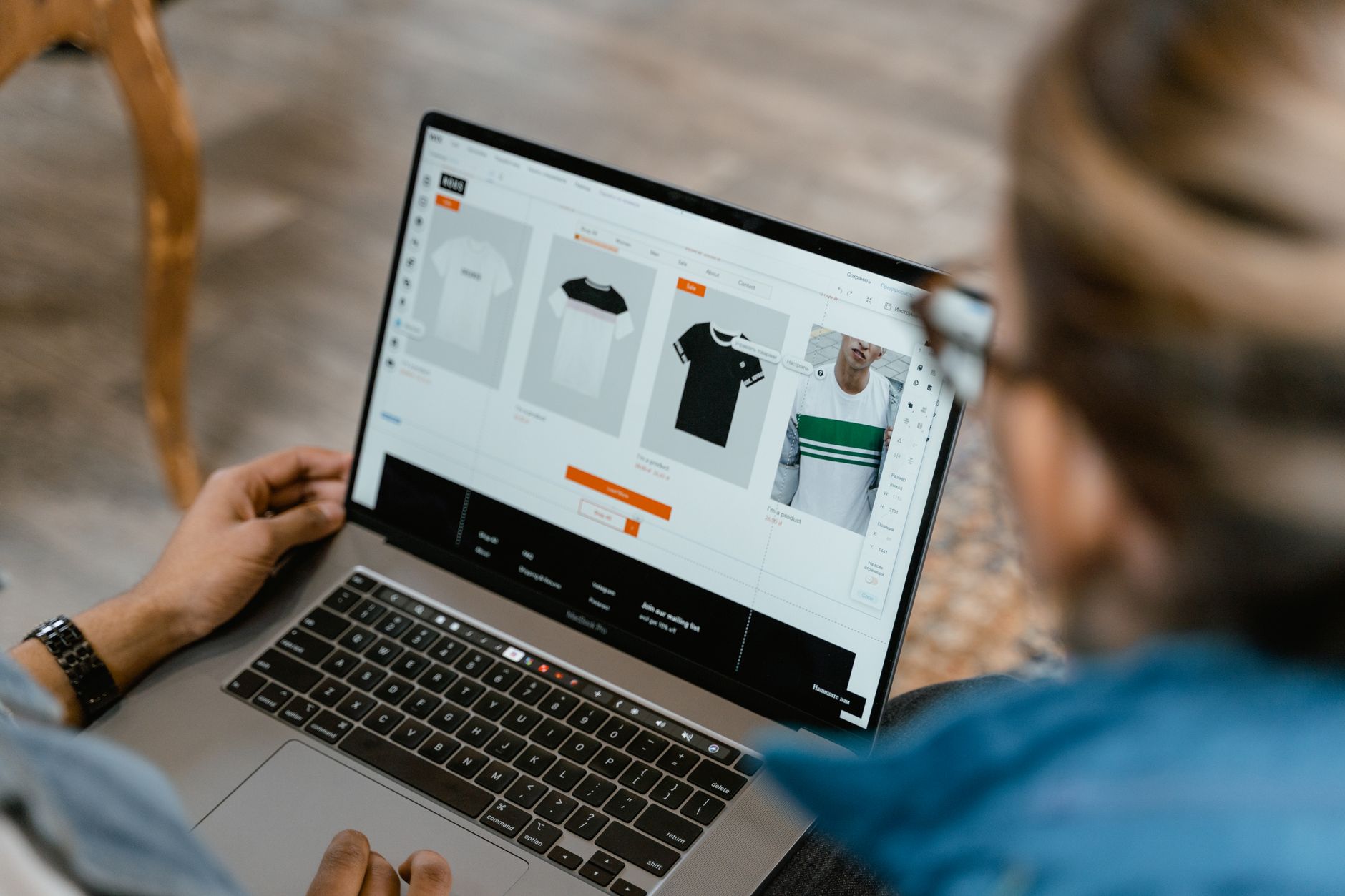 Photo by MART PRODUCTION
Finding a winning niche starts with research not guesswork. You want to uncover what people really care about then serve those exact interests with your T-shirts.
For example some of the top print on demand niches for 2025 include animals and pets, activism, family humor and micro communities built around hobbies or jobs.
Solid niche research includes:
- Browsing social media hashtags to see trending topics and memes.
- Checking sales charts on big print on demand sites.
- Looking at what people buy on Etsy, Amazon or Redbubble.
- Peeking into Facebook groups, Reddit or forums to spot what fans are passionate about.
The right niche slices the market so your designs get seen by people hungry to buy. Unlike generic tees niche shirts feel personal. Keep in mind print on demand lets you test niches with almost zero risk no bulk buying required.
On the other hand dropshipping relies more on hot items and price competition. For a closer look at these differences browse this print on demand vs dropshipping comparison so you focus your energy where it pays off.
Want a shortcut? See 17 proven print on demand niches to watch in 2025 for brainstorming inspiration.
Originality, Trends and Brand Consistency
Original designs sell best but jumping on the right trend at the right time can boost sales fast. Here’s the secret: Don’t blindly copy what’s popular. Instead blend trending themes with your own voice, style or twist.
Maybe it’s adding a witty spin on a viral meme or using hand drawn art to make your tee unique.
Why should originality matter to you? Because oversaturated trends die out fast. When your shirt offers something fresh whether it’s humor, perspective or art it sticks out in a sea of sameness.
Building a consistent brand is just as powerful. Every shirt should feel like it came from your shop not the bargain bin at the mall.
A strong brand identity reassures buyers that your quality and style will keep delivering.
- Use a clear color palette and fonts.
- Stick to a visual style or voice.
- Always align new trends with your brand’s vibe.
If you’re trying to grow your store into something memorable check out this guide on building a brand from scratch for step by step branding tips.
Understanding Your Audience’s Needs
Your best selling T-shirt won’t come from a hunch. It comes from actually listening to your audience.
When was the last time you asked your current or potential customers what they want?
Here’s how top print on demand brands do it:
- Create quick polls or story questions on Instagram or Facebook.
- Send out an email survey with a simple question: “What would you love to see on a shirt?”
- Take feedback from product reviews or DMs seriously—spot requests or favorite styles.
- Use social listening tools to spot repeated requests or catch the lingo your tribe uses.
Pay attention to what’s working in your store too. Which shirts get the most likes, comments or shares? Sometimes your next bestseller is the one people keep tagging friends in.
If you’re after detailed steps check out these print on demand marketing strategies for ways to turn honest feedback into hot selling designs.
Keep listening keep tweaking and your next winning tee will be built on real buyer demand not just wishful thinking.
Design Execution: From Concept to Customer Appeal
The right design isn’t just about what looks good on your screen it’s about what grabs attention, gets shared and fits perfectly on a real T-shirt.
This section walks you through picking your tools, editing your layouts and prepping your files so your print on demand ideas don’t just sit in digital limbo.
Let’s make sure your shirts are designed for sales not just scrolling.
Design Tools, Software and Resources: Review Popular Tools/PODs and Outline Cost Effective Options for Beginners
 Photo by Tima Miroshnichenko
If you want to create T-shirt designs that actually sell you need the right software. Whether you’re a seasoned designer or just figuring out what a vector file is these tools can save you time, frustration and money:
- Adobe Illustrator: The gold standard for vector graphics. It’s not cheap but you get crisp, scalable art which is great for print on demand.
- Photoshop: Perfect for photo heavy or distressed designs. Plus you can use mockup templates right inside the app.
- Procreate (iPad): Amazing for hand drawn looks and it’s user friendly for beginners who like drawing directly.
- Canva: The free version covers basic needs and the Pro version is a deal for small stores. Drag and drop simplicity just don’t rely on stock templates if you want to stand out.
- GIMP: A powerful open source alternative for those on a tight budget. It’s a bit less polished but it covers the basics and doesn’t cost a dime.
- Inkscape: Think of this as the free cousin to Illustrator. Vector support, friendly for beginners.
For print on demand creators who’d rather skip the software grind platforms like Printful and Printify offer built-in design tools.
Most let you upload PNGs, adjust placements and preview designs right on their products. You can try tools risk free before committing cash great for newbies.
Want more on the basics and startup costs? Here’s a simple guide: What Is Print on Demand and How To Start a Business (2025).
Balancing Visual Elements: Colors, Fonts, and Placement
Getting the details right matters just as much as a clever concept. A solid T-shirt design balances boldness with restraint oversized or tiny graphics are just as unappealing as awkward fonts or washed out colors.
Some essential layout tips for print on demand designs:
- Color choice: Stick to a controlled palette three to five colors max usually works best. High contrast combos (like black on white or navy on yellow) pop more in listings and real life.
- Font pairing: Two fonts, tops. Use a bold or script for the key line and a crisp sans serif for anything secondary. Too many fonts scream amateur.
- Spacing and alignment: Make sure the central element is visible and not drifting off to an armpit or the collar. Place your focal point 3-4 inches below the collar for most unisex shirts.
- Size it up: Designs printed too small get lost; too big and they overpower the shirt. Aim for a width of 10-12 inches for adult tees.
- Contrast is your friend: Dark ink on a light shirt or vice versa. Avoid low-contrast combos or tiny type shoppers won’t zoom in for details.
Finishing touches like drop shadows, subtle textures or a single accent color can add depth. When in doubt print samples yourself or order one from your print on demand platform.
Sometimes colors on screen don’t match the real thing so a test run saves headaches and returns.
Mockups and Print-Ready Designs: Create Mockups That Sell and Prep Designs for Production
Your design might look awesome in the preview but will it convince someone to buy? Attractive mockups and production ready files make all the difference in the crowded print on demand market.
Here’s how to polish your presentation and prep files like a pro:
- Use lifestyle mockups that show your shirt in action not just flat lays. Think real models or styled scenes these boost conversions.
- Keep backgrounds simple if possible so the design is always the star.
- Offer multiple views: front, back and a close up of your artwork.
- File formats matter. Use PNGs with transparent backgrounds for most POD platforms. Set the resolution to at least 300 DPI so your art stays sharp.
- Double-check that every color is in RGB format (not CMYK) unless your print provider says otherwise.
- Stay within safe zones no important elements near the seams or hem.
Small mistakes like fuzzy files or awkward placements tank your sales fast.
If you want to go deeper on making your shop profitable and see what details separate the pros from the amateurs visit Print on demand profitability tips.
Successful T-shirt design isn’t just what you create it’s how you present it. Treat every mockup and file upload like it’s your sales pitch because it is.
Pitfalls to Avoid When Designing for Print on Demand
Designing top selling T-shirts is never just about the artwork. The process is packed with details and missing even a few can spell financial losses or negative reviews.
If you want a print on demand shop that makes steady sales you’ve got to sidestep the common traps new and even experienced sellers fall into.
Let’s look at the sneaky pitfalls that quietly sabotage your designs and customer experience so your next launch isn't just a shot in the dark.
Mistakes in Print Quality and File Setup
 Photo by KATRIN BOLOVTSOVA
Some design mistakes are easy to spot only after you see the print by then, it's too late. A sharp digital design can print out dull, blurry or crooked if you miss the technical basics.
Steer clear of these all too frequent blunders:
- Low-resolution images: If your artwork isn’t at least 300 DPI, edges will look jagged and colors might bleed. Always double-check before uploading.
- Misaligned designs: Crooked or off-center prints scream amateur. Use built-in alignment tools or grid overlays in your design software and preview on mockups for every size.
- Wrong color modes: Most print on demand platforms require RGB files not CMYK. Color shifts are frustrating for customers and can cost you returns.
- Forgotten safe zones: Leaving details too close to seams or the collar? Those might get chopped off at production. Follow each printer’s size guidelines to the letter.
These technical snags often lead to botched orders the kind that get returned, refunded or worse leave bad reviews.
For help fixing common production issues see this deeper troubleshooting guide on Print on Demand Order Problems. Prepping your files right from the start saves time, cash and headaches down the line.
Underestimating Marketing and Customer Expectations
It’s possible to have a beautiful product... that almost nobody buys. Why? Poor marketing and ignoring customer expectations can tank even the best designs.
Lots of creators focus so much on the art that they forget the selling part.
Here’s how this pitfall creeps in:
- Neglecting your product description: If your listing just repeats the design’s name or skips details you’re missing out on search traffic and trust. Great descriptions highlight fit, fabric, ink type and why customers should care.
- Weak or generic marketing: Waiting for organic reach rarely works now. Print on demand thrives on smart promotions, solid SEO and direct outreach. Without a plan your shop vanishes in the crowd.
- Not matching designs to your real audience: Sometimes sellers make stuff they like instead of what their audience wants. Always check your niche trends, run surveys and adjust based on what folks actually buy not just what you think is cool.
To see proven ways top sellers build loyal fans and steady sales check out these Print on demand marketing strategies for practical tips you can start today.
Ignoring Costs and Return Issues
Hidden costs and sloppy customer service crush profits faster than a slow sales month.
Print on demand sellers who ignore returns, refunds or pricing often end up with thin margins and frustrated buyers. Here’s where it goes wrong:
- Surprise production fees: That $10 tee might cost $14 after you pick a premium blank, choose colored ink or print both sides. Always check full product and shipping fees before setting prices.
- Underpricing designs: Many newcomers try to compete with cheap shirts only to discover their costs are too high to make a profit especially after returns and discounts.
- Returns and refunds confusion: Not all platforms handle returns the same. Some pass costs to you others have strict policies about replacements. If your store policy isn’t clear and fair you risk chargebacks or bad reviews.
Smart sellers keep these in check:
- Analyze monthly costs and adjust prices if needed.
- Write and display clear, customer friendly return terms right in your store.
If you need a primer on how top sellers handle these headaches see our walk through on Print on Demand Return Policies. Address these behind the scenes issues early and you’ll build both profit and trust.
By watching for these pitfalls before you launch you stand a much better shot at real, repeatable print on demand success.
Small details in file setup understanding your market and setting up smart policies are what separate the steady sellers from the shops that fizzle.
Conclusion
Every print on demand success story starts with smart design choices and a willingness to adapt. Sticking with original ideas knowing your audience and avoiding costly mistakes can set your shirts apart and keep profit in your pocket.
Tools, mockups and polished files make your art shine, but it's the blend of creativity and business sense that keeps orders rolling in.
Ready to put these principles to work? Use what you’ve learned here to test new designs, fix any weak spots and make each launch more effective than the last.
Stay curious keep learning and don't just rely on today's trends challenge yourself to improve your whole shop from artwork to marketing and customer care.
Want to keep the momentum going? Check out helpful guides like Starting Your Print on Demand Business or sharpen your outreach with Social Media Strategies for Print on Demand.
Thanks for reading leave a comment with your wins or questions and keep pushing your print on demand journey forward.












0 Comments