Eco-Friendly Print on Demand Products: Sustainable Options and Rising Demand for POD Entrepreneurs
.webp)
Print on demand has grown in popularity because it allows entrepreneurs to create and sell custom products without holding inventory. Today more buyers want products that don’t harm the environment.
Traditional manufacturing often leads to waste and pollution which many consumers want to avoid.
That’s why eco-friendly and sustainable POD options are gaining real traction. They cut down on excess production and often use materials that break down naturally or come from recycled sources.
If you’re thinking about starting or growing a POD store understanding these choices isn’t just good for the planet it’s smart business.
Why Eco Friendly & Sustainable POD Products Matter
Switching to eco friendly and sustainable print on demand products isn’t just a feel good choice anymore it’s becoming essential.
These products help reduce the footprint left by traditional manufacturing and meet the expectations of modern customers who care about the planet.
Let’s take a closer look at the real environmental benefits and why consumers are pushing businesses to offer greener options.
Environmental Benefits of Sustainable POD Products
When we compare sustainable print on demand products to conventional methods the differences in environmental impact become clear.
Traditional manufacturing often involves mass production which creates large amounts of waste and pulls heavily on natural resources.
On the other hand eco friendly POD products operate with much less overhead and waste.
Here are some key ways sustainable POD benefits the environment:
- Waste reduction: Because POD produces items only as they are sold, surplus stock and unsold inventory which often end up in landfills are virtually eliminated. This approach dramatically cuts down on wasted materials and packaging.
- Lower carbon footprint: By reducing the need for bulk shipping and centralized factories sustainable POD can shrink carbon emissions tied to transportation and storage.
- Resource conservation: Many sustainable POD items use organic, recycled or biodegradable materials decreasing reliance on virgin resources like water, cotton and plastics.
- Energy savings: On-demand printing often uses newer, energy efficient technologies and smaller supply chains which trims overall power consumption.
This smaller production scale means you’re not just reducing waste; you're conserving water, energy and raw materials while keeping carbon out of the atmosphere.
This sustainable approach aligns well with consumer values and regulatory trends pushing businesses toward greener practices.
It’s a smart responsible step in the evolving landscape of e-commerce and print on demand.
The Rise in Consumer Demand for Sustainable Choices
The sky high demand for eco-friendly products isn’t just a passing trend it’s reshaping markets worldwide.
Reports show consumers are increasingly willing to pay more for products that match their values when it comes to environmental responsibility.
Here’s the scoop on where consumer preferences now stand:
- Willingness to pay a premium: Recent data reveals shoppers are ready to spend on average 9.7% more for sustainably sourced or produced items. This highlights that investing in greener POD products can result in better margins.
- Sustainability as a purchase driver: Consumers no longer see eco friendly as optional. Many now expect it as a baseline, especially among millennials and Gen Z shoppers who make up a growing share of the market.
- Demand for transparency: Buyers want to know the story behind their products from sourcing to shipping. Offering clear sustainable POD options builds trust and strengthens brand loyalty.
- Focus on packaging: Eco friendly packaging can be a deal maker or breaker. Sustainable POD businesses that reduce plastic and use recyclable materials see better customer reception.
This rising demand is pushing many print on demand companies to innovate and expand their sustainable product lines.
For sellers it’s an opportunity not just a responsibility to meet evolving customer expectations and position themselves ahead of competitors.
As you consider your own print on demand business tapping into these consumer insights can help you design a product mix that sells and stands for something.
Learning more about these trends and how to integrate eco friendly POD products can give your business solid footing for the future.
Learn about practical steps in setting up your shop with sustainable POD options through this helpful guide on the print on demand roadmap.

Photo by Tima Miroshnichenko
For further reading on the environmental benefits of sustainable print on demand check out this article on Sustainable Print-on-Demand: Embracing Web2Print.
To explore the latest research on consumer willingness to pay for sustainability, Business News Daily’s report on consumer preferences is a useful resource.
Eco Friendly Materials and Print Techniques for POD
Sustainability in print on demand (POD) stretches far beyond just reducing waste. It starts right at the choice of materials and printing methods.
When you pick eco-friendly fabrics and inks, and pair those with on-demand manufacturing, you’re making a real dent in cutting down environmental harm.
Let’s break down the top options that are currently shaping greener POD businesses and how they benefit both the planet and your brand.
Organic & Recycled Fabrics
When it comes to apparel and accessories, the fabric choice matters a lot.
Organic and recycled textiles offer a way to keep quality high without the typical environmental cost of traditional materials.
- Organic Cotton: Grown without synthetic pesticides and fertilizers, organic cotton uses less water and replenishes soil health. It’s softer on the skin and reduces chemical runoff that harms ecosystems. Brands that opt for organic cotton appeal to eco-conscious consumers who want comfort and care combined.
- Bamboo: This fast-growing plant is a star when it comes to sustainability. Bamboo fabrics are biodegradable and require fewer pesticides and less water than cotton. They have natural antibacterial properties, which adds a unique selling point for POD products like activewear or cozy loungewear.
- Recycled Polyester: Recycled polyester usually comes from post-consumer plastic bottles, reducing landfill waste and cutting down on petroleum use from virgin polyester production. It keeps its durability, which is perfect for items like backpacks or athletic gear, making POD both functional and green.
Choosing these fabrics not only lowers the carbon footprint but also fits perfectly with the POD model, encouraging customers to support more sustainable options.
If you want to see examples of sustainable POD products using these materials, check out some best eco-friendly print on demand companies currently leading the way.
Water-Based & Non-Toxic Inks
Print inks have traditionally been a source of pollution due to harsh chemicals and heavy metals.
The good news? Water-based and other non-toxic inks provide a safer, cleaner alternative for POD.
- Water-Based Inks: These inks use water as a carrier instead of solvents, significantly lowering volatile organic compounds (VOCs) that contribute to air pollution. They produce vibrant prints without compromising environmental safety and are often softer to the touch—great for wearable products.
- Non-Toxic & Eco-Friendly Inks: Some POD printers now use inks made from soy, algae, or corn-based products. These biodegradable inks break down more easily and reduce harmful residues in water systems, benefiting ecosystems downstream.
Compared to traditional plastisol or solvent inks, water-based and eco-friendly options reduce toxicity throughout the printing process, making POD more responsible.
For a closer look at companies prioritizing these methods, this guide on eco-friendly print on demand sites offers great insight.
On-Demand Production and Waste Reduction
The biggest environmental advantage of print on demand is the way it eliminates overproduction.
By making products only after an order is placed, POD cuts down on tons of waste that pile up in traditional manufacturing.
- No Excess Inventory: Unsold stock can lead to dumps filled with seconds or last season’s styles. POD means no leftovers, which means less waste.
- Efficient Resource Use: Materials and inks are used only when needed, lowering energy consumption linked to warehousing and mass production.
- Custom Creation: Since every piece is made to order, customers get exactly what they want, which encourages more meaningful purchases and less impulse buying.
Think of the POD model like a carefully tended garden—plants grow only where and when you need them, rather than filling an overgrown field with weeds.
That approach protects resources, cuts costs, and aligns perfectly with growing consumer demand for sustainability.
If you’re building your own POD business, it makes sense to lean into on-demand’s green benefits and see profits follow.

Photo by Ron Lach
You can also explore this practical advice for building your shop with sustainable options in the print on demand roadmap.
Ready to make your POD products greener and smarter? Start with the right fabrics, switch to cleaner inks, and trust the on-demand model to keep waste in check.
It’s the kind of change that adds up—both for your business and the planet.
Types of Sustainable POD Products: Options for Entrepreneurs
Sustainable print on demand (POD) opens up a variety of product types that suit eco-conscious entrepreneurs and consumers alike.
From wardrobe staples to everyday essentials, the range of eco-friendly POD items is broad and growing.
Choosing the right product line means offering options that not only meet customer values but also fit your brand’s style and message.
Below, let's break down some popular categories of sustainable POD products that make great starting points for your shop.
Eco-Conscious Apparel and Accessories
When you think of POD, apparel often comes to mind first. Today, eco-conscious apparel spans much more than just t-shirts.
Designers and entrepreneurs can tap into a rising demand for clothes and accessories made from sustainable materials and ethical practices.
Some standout choices include:
- T-Shirts and Hoodies made from organic cotton or recycled fibers. These fabrics use fewer pesticides, less water, and have a much lighter carbon footprint compared to conventional cotton.
- Tote Bags crafted from sturdy, reusable fabric like organic canvas or recycled polyester. They’re daily essentials for shoppers, commuters, and anyone trying to reduce plastic use.
- Hats and Caps using sustainable textiles can add eco-friendly flair to your apparel line without compromising style.
These products are not only practical but also serve as walking billboards for your brand’s commitment to sustainability.
Plus, offering high-quality, responsibly made fashion items taps into customers who want their style to reflect their values.
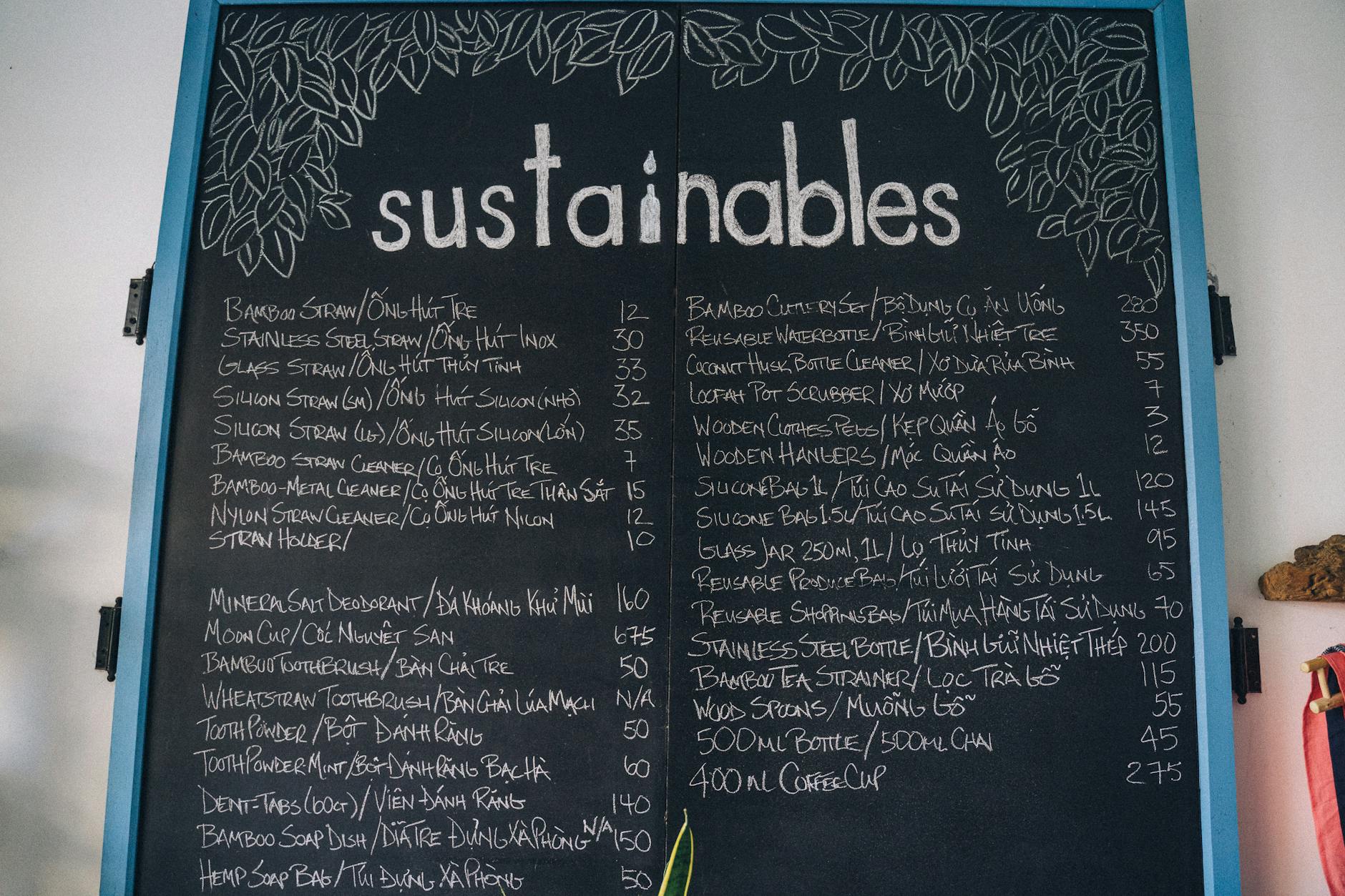
Photo by Anna Tarazevich
Home Goods and Décor
Sustainable POD products aren’t limited to what you wear—they extend into the spaces we live in as well.
Home goods and décor crafted with eco-friendly materials offer another exciting niche with growing interest.
Here are some typical offerings in this category:
- Organic Cotton Bedding and blankets provide softness without harsh chemicals, perfect for eco-conscious consumers who want cozy, guilt-free comfort.
- Recycled Fabric Cushions brighten rooms while lowering textile waste. Offering customizable prints on cushions made from repurposed fabrics can set your POD store apart.
- Sustainable Wall Art using recycled papers or sustainable canvas allows buyers to decorate responsibly, reducing reliance on plastic-based materials.
These products appeal to shoppers focused not just on looks but also on creating a healthier, more sustainable home environment.
Adding them to your store expands your reach beyond apparel, attracting a wider customer base interested in eco-friendly living.
Reusable and Zero-Waste Products
One of the biggest shifts in consumer behavior is toward reusable and zero-waste items. Print on demand meets this demand by offering products that help cut down single-use waste without sacrificing convenience or style.
Here are some top picks:
- Reusable Water Bottles and Coffee Cups printed with your designs promote sustainability while encouraging daily habits that reduce plastic.
- Eco-Friendly Notebooks made from recycled paper provide a practical, sustainable alternative for journaling or work.
- Reusable Bags like produce bags and shopping totes printed on demand combine function with eco-awareness, perfect for customers ditching disposables.
These products capture the eco-minded shopper’s attention with practical uses and a clear message of waste reduction. They also complement apparel lines well, giving entrepreneurs options to build diverse, sustainable collections that keep customers coming back.
Choosing your POD products from these eco-friendly categories aligns you with consumer values and sets your business apart.
Ready to start creating sustainable goods that connect with today’s mindful shoppers? Keep exploring ideas and production methods to find your ideal niche.
For more tips on how to grow your store with sustainability in mind, you might find this print on demand roadmap useful.
For additional insights on eco-friendly POD trends and options, this guide to sustainable print on demand companies offers detailed examples to inspire your product mix.
How to Launch and Promote a Sustainable POD Brand
Starting a sustainable print on demand (POD) brand is not just about selling eco-friendly products;
it’s about building a business that reflects your values and connects with customers who care about the planet.
The challenge is finding trustworthy partners, telling a genuine story, and motivating your buyers to become repeat supporters.
Here’s how to get all that right and build a brand that stands for more than just merchandise.
Sourcing Transparent and Sustainable Suppliers
Finding POD suppliers who genuinely care about sustainability means looking beyond promises to real proof. Not all “green” claims hold up, so vetting suppliers carefully is essential.
Start by asking potential partners for certifications such as:
- Global Organic Textile Standard (GOTS): Ensures organic fibers with strict environmental and social criteria.
- OEKO-TEX Standard 100: Verifies textiles free from harmful chemicals.
- Fair Trade Certification: Guarantees fair labor practices and ethical production.
- Carbon Neutral or B Corp Certifications: Indicates commitment to reducing environmental impact and social responsibility.
Don’t hesitate to ask for detailed information on their sourcing practices, packaging materials, and printing technologies.
Transparent suppliers will gladly provide reports or documentation that back their claims. Also, order sample products to verify quality and eco-features firsthand.
Building a partnership with these suppliers means your brand can confidently promote authentic sustainability, which resonates deeply with modern shoppers. Remember, a green label isn’t enough — transparency builds trust.
Marketing Sustainability: Telling an Authentic Brand Story
Your sustainable POD brand won’t grow without connecting emotionally with customers.
The best way is through an honest, clear brand story about why sustainability matters to you and how your processes support it.
Here’s how to tell your story effectively:
- Share Your Journey: Be upfront about why going green is important to you. Was it a personal experience, concern for future generations, or a commitment to ethical business? Authentic stories build empathy.
- Highlight Real Practices: Let customers know about your sustainable fabrics, water-based inks, waste reduction, and eco-friendly packaging. Use facts, dates, and visuals.
- Use Transparent Language: Avoid jargon or vague claims. Instead, say “We source organic cotton certified by GOTS,” or “Our packaging is 100% biodegradable,” which builds credibility.
- Create Educational Content: Blog posts, videos, or social media updates that explain sustainability benefits can inspire and engage your audience.
- Invite Customer Participation: Encourage buyers to share how they use or care for your products sustainably, creating a community invested in the mission.
Making sustainability part of your brand voice does more than boost sales; it builds loyalty. Don’t just sell a product—share a purpose, and your audience will keep coming back.
Leveraging Customer Loyalty and Repeat Purchases
Sustainability is a strong motivator for repeat business, but only if you make customers feel valued and involved.
Loyal buyers are your best brand ambassadors. Here’s how to nurture that loyalty:
- Reward Sustainable Choices: Launch loyalty programs that offer perks for repeat orders or for choosing eco-friendly shipping or minimal packaging options.
- Ask for Feedback: Get input on how to improve sustainability. Customers feel heard and part of something bigger.
- Offer Exclusive Access: Provide early access to new sustainable collections or special discounts for return customers who support your green initiative.
- Use Subscription Models: Encouraging subscriptions for basics like organic tees or reusable bags builds steady revenue and long-term attachment.
- Showcase Impact: Let customers see the difference their purchase makes by sharing stats on waste avoided, carbon saved, or communities supported.
- Maintain Open Communication: Keep buyers updated on new sustainability goals or achievements via email or social media.
All these efforts make your brand less transactional and more relational—it’s no longer just about that one purchase, it’s about being part of a movement.
This connection leads to steady sales and a growing eco-conscious community.
For more guidance on promoting your sustainable POD brand effectively, explore Print on Demand Marketing Strategies to fine-tune your outreach and customer retention approaches.
Photo by PNW Production
Conclusion
Choosing eco-friendly options in print on demand is more than a trend—it's a smart move that matches rising consumer expectations and reduces waste. Sustainable POD products offer entrepreneurs a way to build brands with a clear purpose while tapping into a growing market willing to pay for responsibly made goods.
If you want your POD business to stand out, now’s the time to explore materials, printing techniques, and product categories that support sustainability. Taking this step not only benefits the planet but also positions your store for lasting success.
Ready to make your mark with eco-friendly print on demand? Start by learning the practical steps to launch and grow your sustainable brand—you’ll be building something that lasts in more ways than one.












.webp&description=Meet Rising Demand with Eco-Friendly Print on Demand Products)
0 Comments