Comparing Print Quality Across Major Print On Demand Suppliers [2025 Review]

Print on demand has grown fast, giving entrepreneurs a simple way to bring unique products to market without upfront inventory. But not all print quality is created equal and for POD sellers it can make or break customer satisfaction.
Knowing which suppliers deliver sharp details, vibrant colors and durable prints is key to standing out and building trust. This post dives into what you need to watch for when comparing print quality across major POD suppliers, so you can pick the best fit for your business and keep customers coming back.
If you’re wondering how to get started or refine your approach check out this Print on Demand Startup Guide for some solid footing. Ready to make your designs shine? Let’s explore what each supplier brings to the table.
How Print Quality Shapes the POD Experience
When you dive into print on demand print quality jumps to the front as a key factor that can make customers smile or walk away.
Think about it: your design might be pure gold, but if the final product arrives faded, blurry or peeling that’s going to hurt your brand reputation.
Print quality isn’t just a technical detail; it’s the handshake your product gives to your buyer.
It influences everything from customer reviews and trust to whether people keep coming back or leave a bad rating.
Let's break down what exactly print quality means in POD and why it’s so different from one supplier to another.
Getting clear on these will help you choose a partner that keeps your brand looking sharp and customers happy.
Defining Print Quality in Print on Demand
Print quality in POD isn’t just about how something looks at first glance it’s about how it holds up over time and stays true to the designer’s vision.
Here are the main pieces that shape print quality:
- Color Accuracy: Does the print match the colors you designed? Imagine ordering a vibrant red logo and getting a muted pink instead. Color accuracy keeps your brand consistent and your products eye catching.
- Durability: The print needs to last through washes, wear and time. A design that fades after one wash or cracks quickly is a dealbreaker for customers and can wreck your reputation.
- Image Sharpness: This is about the crispness of lines, clarity of details and the overall neatness of the image. Blurry or pixelated prints tell customers that corners were cut somewhere.
- Material Compatibility: Different fabrics and surfaces absorb ink differently. High quality prints must suit the material whether it’s cotton, polyester or blends so the design stays vibrant and smooth without bleeding or cracking.
Together these factors create the product’s first impression and the lasting feeling it leaves.
They affect whether customers rave about your product or leave a scathing review.
Why Print Quality Varies Across POD Suppliers
You might ask “If it’s the same design why is print quality so different across POD platforms?”
The answer comes down to industry secrets like equipment, materials and quality checks:
- Equipment Used: Top notch printers deliver higher resolution and color precision. Older or budget printers can’t hit the same standards, resulting in less vibrant or less durable prints.
- Material Sourcing: Good ink is just the start high quality fabrics matter too. Some suppliers invest in premium base products while others source cheaper blanks that don’t hold ink as well.
- Quality Control Processes: This is where many suppliers lose points. Strong quality control means testing samples checking every order before shipping and consistent standards. Without this you risk receiving inconsistent colors, misplaced prints or faded designs.
These differences have a direct impact on your brand image. Poor print quality leads to faded designs, color mismatch or peeling which makes buyers question your professionalism.
That’s not just a one time loss. Negative reviews and a drop in repeat customers follow. Your POD supplier’s print quality essentially becomes your silent representative talking to each customer after they open the package.
Getting familiar with these factors ensures you pick a POD partner that matches your standards.
It’s not just about getting the cheapest option it’s about investing in a product that reflects your brand’s value and guarantees customer satisfaction.
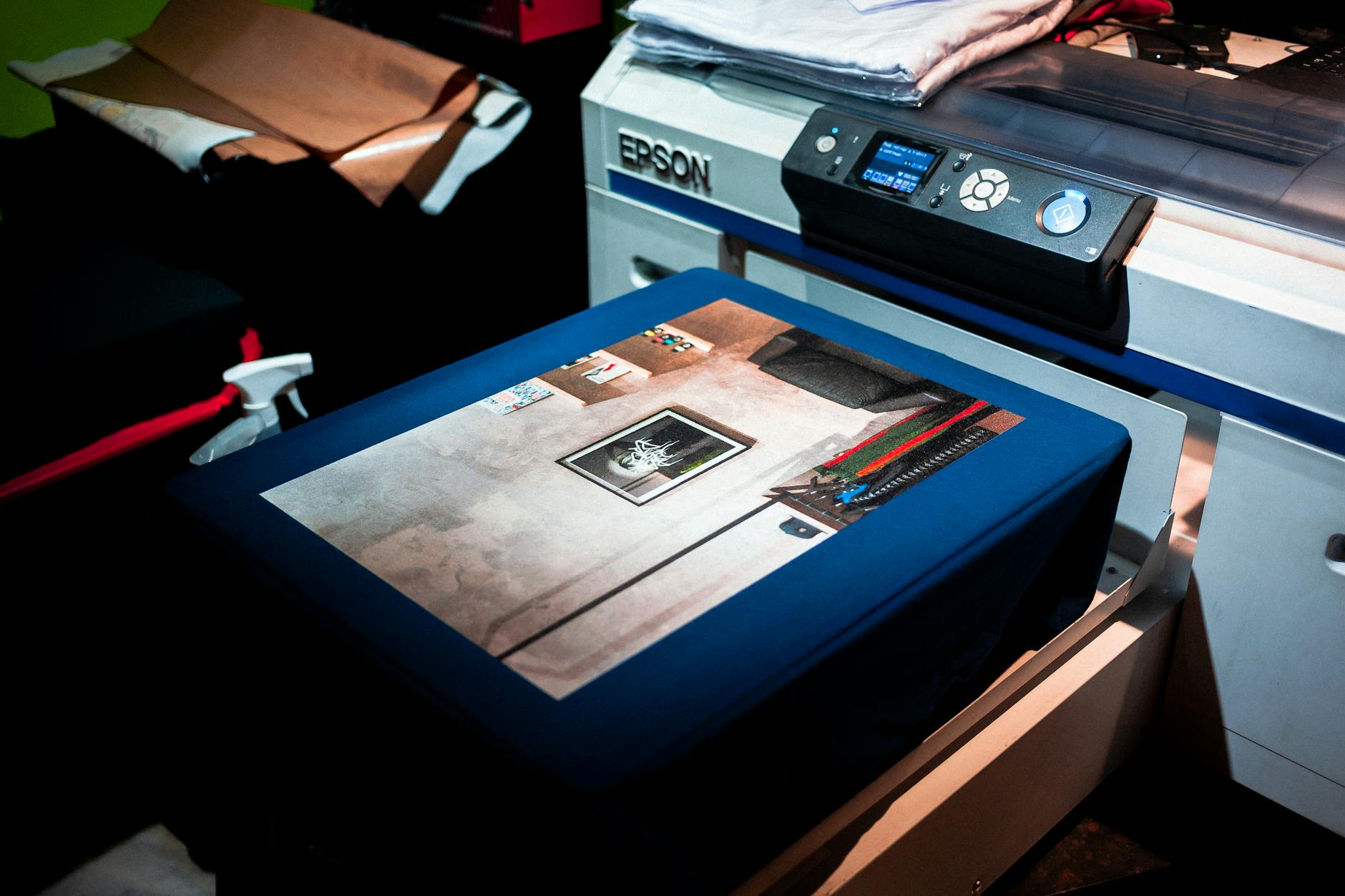
Photo by Deybson Mallony
For detailed insights on picking the right POD supplier you might find this guide on key factors to consider when choosing a print on demand service helpful. It covers print quality, among other essentials to help you make an informed decision.
Also understanding how print quality influences marketing success in real terms can add valuable perspective this piece from Litho-com on print quality’s marketing impact breaks down why it’s not just about looks but also customer trust and repeat business.
With this clarity, you can take confident steps toward selecting the best print on demand supplier for your brand’s unique needs.
No more guesswork just quality that speaks for itself.
If you want to learn more about launching your POD business right check out the comprehensive Print on Demand Startup Guide available on the site.
It’s a solid next step after understanding what print quality really means.
Comparing Print Quality: Top POD Suppliers Reviewed
Choosing the right print on demand supplier can feel like picking your favorite ice cream flavor everyone claims theirs is the best but only experience tells the full story.
Print quality stands tall among the criteria that separate a good supplier from a great one.
To make this clearer for you, let's zero in on four of the most talked about POD services: Printful, Printify, Gooten and Teelaunch.
We'll also look at what real users are saying and the key factors driving these differences.
Evaluating Major POD Suppliers: Printful, Printify, Gooten, and Teelaunch
Each of these suppliers brings something unique to the print on demand table, especially when it comes to print quality.
Here's a snapshot of how they stack up:
- Printful: Known for consistent, high quality prints Printful uses advanced Direct to Garment (DTG) printers and boasts ISO 9001 certification a mark of solid quality control. Their in-house fulfillment centers mainly in the US and Europe allow tighter oversight. Colors pop well on both light and dark garments. If you want vibrancy and longevity is a safer bet but premium quality does come with slightly higher prices.
- Printify: Acting as a marketplace Printify connects sellers to multiple print providers worldwide which means print quality can vary. Some partners use DTG; others rely on sublimation or screen printing. This spread lets you pick between cheaper options or premium ones but quality control depends on the chosen partner. Printify’s huge network offers flexibility yet consistency can be a mixed bag.
- Gooten: Similar to Printify, Gooten partners with many print providers globally. Their strength lies in automation and scaling but print quality is only as good as the specific provider handling your order. Users praise Gooten for reasonable quality on sublimation products like mugs and home goods but suggest testing apparel prints carefully before scaling.
- Teelaunch: Standing out for niche product varieties, Teelaunch focuses on DTG for apparel and sublimation for other goods. Their strength is customization breadth rather than ultra premium print quality. The prints hold up decently but some users mention minor inconsistencies and occasional muted colors.
Each supplier leans on different tech and standards.
For example Printful’s ISO certifications and in-house production ensure strict quality checks while Printify and Gooten rely on partner vetting systems.
Teelaunch emphasizes speed and variety but might sacrifice slight uniformity.
Real-Life Print Quality Tests & Results
No matter what suppliers say real world tests tell the truest story.
Third party reviews and user case studies reveal clear patterns:
- Printful frequently earns praise for vibrant, sharp prints that last through dozens of washes without cracking or fading. Independent testers note minimal bleed in DTG prints and excellent detail retention.
- Printify’s results depend heavily on which printing partner you select. Some partners match Printful’s quality but others produce prints that are less vibrant or start fading after a few washes. Users often recommend ordering samples to vet your printers.
- Gooten's prints tend to excel on sublimation items like mugs and canvases but apparel review scores vary. Users highlight decent sharpness but caution on color vibrancy with certain fabrics.
- Teelaunch shows mixed reviews. Some customers receive high quality apparel prints while others see slight color dullness or edges that seem less crisp. Their customer service handles issues quickly which softens the impact.
For a more balanced view you might want to explore Print on Demand Negative Reviews to hear about post purchase realities and common pitfalls.
Factors Influencing Print Quality Across Suppliers
Why does print quality vary so much even with the same design? A few key elements tip the scales:
- Print Methods: DTG offers detailed prints with rich colors but works best on cotton and light fabrics. Sublimation bonds ink into polyester, providing vibrant, all over prints but only on polyester blends or hard surfaces. Screen printing shines for bulk orders thanks to strong lasting prints but can be less detailed and is less flexible for small runs.
- Production Location: Suppliers with centralized fulfillment (like Printful) maintain tighter quality control while networks relying on multiple global providers (Printify, Gooten) can see more variation between print batches or regions.
- Order Volume: Higher volume often means more consistent results. Suppliers may prioritize quality checks or upgrade printing processes for larger batches. Small orders can occasionally face more variability.
Understanding these behind the scenes factors helps explain why two orders with identical files might look different depending on where and how they were printed.
With this in mind testing samples before full launches becomes your best friend.

Photo by George Milton
If you're curious about the broader landscape of print on demand companies strengths today this list of best print on demand companies in 2025 gives a clear rundown of providers noted for print quality and fulfillment reliability.
Plus communities like Reddit's Etsy sellers' POD reviews offer firsthand accounts as businesses share their experiences with print quality and shipping speed.
Knowing who stands behind the machine and what printing tech they rely on puts you in the driver's seat when choosing your POD partner.
From fabric type to print method and supplier reputation these factors will shape how your designs truly come alive and how your customers feel when they open the box.
Maximizing Print Quality for Your Print on Demand Store
Print quality can feel like that tricky first puzzle piece in your print on demand adventure get it right and everything else falls neatly into place.
You want your customers to receive products that match your vision: sharp, vibrant and built to last.
But achieving that isn't just about picking a supplier. It starts well before the order hits a production line and continues through how you handle any bumps along the way.
Here’s a practical look at how to maximize print quality and keep your customers smiling.
Pre-Order: Artwork Prep, Mockups and Proofing
It all begins with your design files. Imagine sending a brilliant painting to a gallery only to have it displayed blurry or with dull colors.
That’s why optimizing your artwork before ordering is non-negotiable.
- Use high resolution files. Aim for at least 300 DPI (dots per inch) to ensure sharp prints. Low-res images turn pixelated once printed.
- Set the right color mode. Switch your files to CMYK instead of RGB since printers use cyan, magenta, yellow and black inks not light based colors.
- Mind the bleed and safe zones. Keep critical design elements inside safe zones to avoid unwanted cropping and add bleed areas to prevent white edges.
- Avoid fine lines and overly small text. These can blur or disappear depending on the printing method.
- Create detailed mockups. Mockups simulate the final product visually. Use supplier templates or photo-realistic generators to preview how your design fits the product.
- Request physical proofs or order samples. Before a big launch, nothing beats feeling and seeing your product firsthand. This helps catch color shifts, placement issues or unexpected print flaws.
Once your design is prepped and previewed thoroughly you cut down the chances of surprises and wasted orders, saving time and money.
Supplier Communication and Handling Print Issues
Even with perfect files print problems can crop up. When they do, how you navigate supplier communication matters.
- Be clear and detailed. Describe the issue with photos, order numbers and comparison to your original design.
- Know your supplier’s policies. Whether it's reprints, refunds or discounts knowing the rules upfront helps you act fast.
- Stay polite but firm. A cooperative tone encourages quicker resolutions.
- Document everything. Keep emails and messages for reference if problems escalate.
- Act quickly. The sooner you flag concerns the better the chances for solutions without hurting your brand’s reputation.
If you find yourself juggling frequent print quality troubles or unclear responses this guide on Print on Demand Order Issues offers practical steps to troubleshoot and escalate problems effectively.
Choosing the Right POD Supplier for Quality and Speed
It’s tempting to chase the fastest delivery to wow customers but rushing can mean sacrificing print quality.
On the flip side the highest quality option may take longer or charge more.
Balancing these factors is key.
Here’s what to weigh up:
- Printing technology and material quality. Suppliers using advanced Direct to Garment (DTG) or dye sublimation technologies often deliver better print fidelity but confirm fabric types supported.
- Fulfillment locations. A supplier with warehouses close to your target market speeds shipping and often provides fresher prints.
- Lead times and order volume flexibility. Some providers prioritize bigger orders so check how that affects turnaround.
- Customer service and return policies. Quick support mitigates headaches from occasional mistakes.
- Reputation on consistency. Check reviews and forums for real world feedback on print results and reliability.
For a deeper dive into choosing suppliers who combine quality with timely deliveries this post on fast shipping print on demand lays out strategies to keep your shop both sharp and speedy.

Photo by Jakub Zerdzicki
By prepping your artwork with care keeping clear lines of communication open with your suppliers and thoughtfully weighing your options, you set your print on demand store up for both impressive quality and smooth operations.
This is how you turn orders into memorable products that keep customers coming back.
Conclusion
Choosing the right print on demand supplier goes beyond just picking a name it directly shapes the quality of your products and the reputation of your brand. Prioritizing print quality means happier customers who trust your store and come back for more.
Testing, comparing, and understanding suppliers’ print methods and standards can save you from costly mistakes and build a stronger foundation for growth.
Keep your eye on consistency and durability and don’t settle for anything less than prints that do justice to your designs.
Your customers notice those details it impacts reviews, repeat sales and your long-term success in the print on demand business. Take the time to find the right partner and watch your store thrive.












0 Comments