The Best (and Worst) Print on Demand Products for Fine Art Reproduction
.png)
Print on demand (POD) opens up exciting possibilities for fine art reproduction, letting artists and entrepreneurs bring original works to a wider audience without upfront inventory costs.
But not all POD products deliver the same quality or appeal when it comes to reproducing fine art. Some options will show every brushstroke crisply, while others might blur or dull the details you worked so hard to capture.
This post lays out the best and worst POD products for fine art reproduction, helping you choose prints and items that maintain integrity and wow collectors.
Along the way I'll share what to watch out for, so you avoid products that underdeliver or damage your reputation. If you want to turn your artwork into profitable products this guide is a great place to start.
Ready to find the right POD options that do your art justice? Alongside practical tips, you’ll also find insights into why quality matters and how smart choices boost your chances of success.
If you’re curious about getting started check out this Print on Demand Startup Guide for a helpful overview.
Understanding Print on Demand for Fine Art Reproduction
If you’re an artist or a seller you’ve probably heard about print on demand (POD) as a way to get your art in front of more people without the headache of inventory.
But when it comes to reproducing fine art POD is a bit more complex than just picking a product and uploading an image.
Fine art reproduction demands precision, quality and materials that can capture every detail exactly as you envisioned.
Let's break down what makes fine art reproduction on print on demand different from standard POD and what features you should focus on to keep that precious artwork looking sharp and authentic.
What Makes Fine Art Reproduction Unique in Print on Demand
Print on demand for fine art isn’t just about slapping a printed image on a canvas or poster.
It’s about capturing texture, color and detail so that the reproduction has the same impact as the original piece.
Fine art buyers expect:
- High resolution and crisp detail to preserve brushstrokes or pencil lines.
- True color accuracy that faithfully reflects the original palette.
- Archival quality materials that last decades without fading or yellowing.
- Texture choices that mimic traditional art surfaces like canvas or fine art paper.
Think of it like tasting a gourmet dish versus fast food. Both fill you up but one is crafted to delight the senses with balance and nuance.
Fine art reproduction through POD aims for that gourmet experience it doesn’t just replicate the image; it restores the feeling.
The POD model works by printing art only when customers order which saves you upfront costs and inventory risks.
But this flexibility means you must carefully pick POD providers and products that understand art’s needs not all printers are created equal.
To get the most from POD make sure your chosen platform has a strong reputation in the art community for quality products and printing technology.
For more ways to boost your art sales via POD check out these Print-on-Demand Profitability Tips that explain how quality reproduction supports brand trust and customer loyalty.
Key POD Features that Affect Fine Art Quality
Several features in the POD process directly impact whether your fine art comes out stunning or disappointing:
- Printing Technology
Look for printers using advanced methods like giclée or high-resolution inkjet printing. These can deliver smooth gradients and consistent detail, vital for subtle art styles. - Ink Quality
The inks need to produce deep blacks, vibrant colors and resist fading over time. Pigment based inks usually outperform dye based alternatives for longevity. - Material Choices
Paper and canvas matter. Archival quality cotton rag or heavyweight fine art papers are ideal. Canvas should have a natural texture that enhances the art without overpowering it. - Color Management
Proper calibration and color profiles ensure the image on screen matches the print. Some POD services allow you to order proofs to verify color accuracy before selling. - Finish Options
Matte, gloss, satin each finish affects how the art looks under different lighting and how it feels to the touch. Matte can reduce glare and preserve delicate details; gloss may intensify colors. - Sizing and Framing
Accurate scaling without distortion is critical. Some POD services provide framing options or use gallery wraps that make the print look ready for display.
Getting these details right is non negotiable for your art’s reputation and repeat customers.
Remember the POD business for fine art thrives on customer satisfaction with quality so investing time in selecting the right features pays off handsomely.
Photo by Diana ✨

The more you prioritize these quality factors the better your fine art prints will serve your brand and customers.
For a deeper look into printing techniques and how to manage expectations, resources like The Complete Guide to Print on Demand for Visual Artists provide excellent insights into balancing art integrity with POD efficiency.
By understanding these POD essentials for fine art you’re steps ahead in choosing products that elevate your work rather than flatten it.
Keep these points in mind as you explore your options ensuring every print reflects your artistic vision.
The Best POD Products for Fine Art Reproduction
Choosing the right product for print on demand fine art reproduction isn’t just about printing your work on anything available.
It’s about selecting materials and formats that honor every color, detail, and texture of your original piece.
When you pick the right product, your art feels more authentic, more vibrant and simply more appealing to buyers.
Let’s look at three top POD products that consistently deliver quality prints for artists aiming for both beauty and durability.
Canvas Prints: A Top Choice for Artists
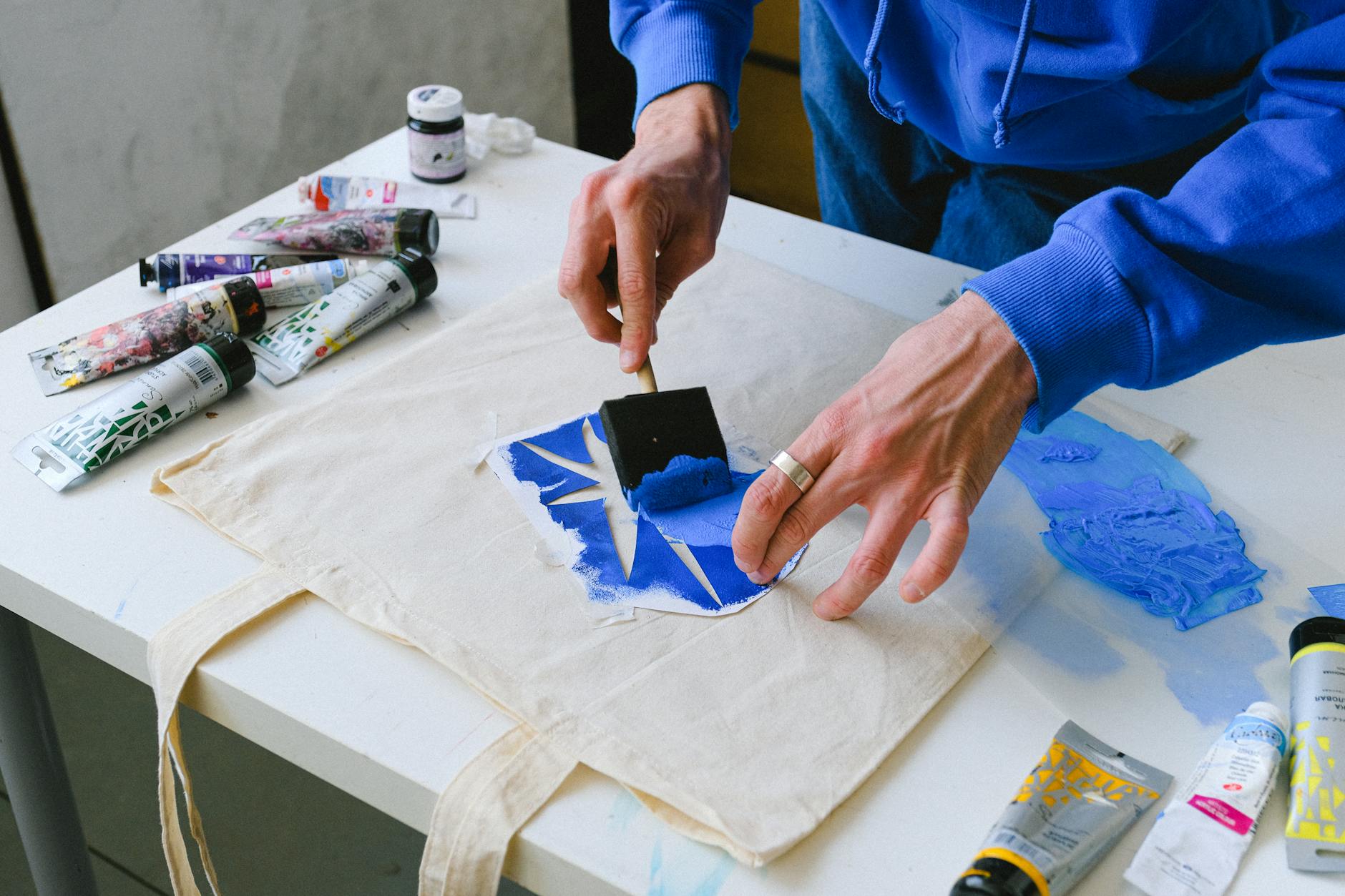 Photo by Anna Shvets
Giclée Prints: Museum Quality at Scale
If you’re after precision and longevity, giclée prints stand out. Giclée printing uses high end inkjet printers with pigment based inks on archival paper, producing ultra fine details and color depth.
This makes giclées the go to for museum quality reproductions.
Why Giclée Prints Are Special:
- Pinpoint accuracy: Giclée captures every subtle gradient and color shift.
- Archival quality: Prints can last 80+ years without noticeable fading.
- Ideal for intricate styles: Perfect for art where every line and shade matters.
Pros
- Extremely sharp and color accurate
- Long-lasting with fade resistance
- Printed on premium, textured fine art paper
Cons
- Usually more expensive than basic prints
- Requires careful handling and framing
For artists who want to maintain the integrity of their original art, giclée printing is the gold standard.
If you’re looking into fine art POD this option is worth the investment and highlights your commitment to quality.
For artists interested in selling fine art POD prints exploring the details of giclée could be a key step.
Gallery Wrapped & Framed Prints
Gallery wrapped prints take canvases to the next level by stretching the print around thick wooden bars.
This creates a clean, modern look without needing a frame but gives your work a professional finish.
Framed prints give a timeless appeal, making artwork instantly ready for display.
Gallery Wrapped Prints
- Display ready: No frame needed so it’s easy for customers to hang right away.
- Depth and presence: The canvas edges create dimensionality, making the print pop off the wall.
- Protective enhancement: The wrapped edges protect the image from damage.
Framed Prints
- Classic appeal: A frame adds a polished look, complementing the art style.
- Customization: Many POD services offer frame options like black, white or wood finishes.
- Protects artwork: Glass or acrylic coverings shield prints from dust and damage.
Pros
- Gallery wraps feel modern and sleek without extra accessories
- Framed prints add sophistication and protection
- Both increase perceived value for collectors
Cons
- Gallery wraps may show edge imperfections if not flawlessly done
- Framing adds cost and possibly shipping complexity
Choosing wrapped or framed prints can raise your art’s status and sales. They’re especially attractive for buyers seeking hassle free, gallery worthy pieces.
If you’re ready to launch a fine art POD business using prints like these the key is balance: know your audience, manage costs and never compromise on print quality.
These products like canvas, giclée and framed/wrapped prints each have strengths depending on your art style and sales goals.
For a practical step forward check out this detailed How to Start Print on Demand Business guide to set up your fine art POD shop with confidence.
When you choose the right format for your art you’re not just printing a product you’re sharing your vision exactly as you intend.
The Worst POD Products for Fine Art Reproduction
Not every print on demand product is a good fit for fine art reproduction. While POD lets you experiment with a variety of products without heavy investment, some popular items simply don’t meet the quality standards that fine art demands.
Relying on these can lead to disappointing results, damaging your reputation and frustrating buyers who expect vibrant detail and longevity.
Below we’ll explore some of the POD products you might want to avoid if your goal is a faithful, lasting fine art print.
I’ll also share some tips to handle these items wisely if you still want to offer them as lower-cost options for your audience.
Posters and Low-Quality Photo Prints
You may have seen plenty of sellers using poster prints or low cost photo papers to reproduce art without much fuss.
Posters are popular because they’re inexpensive and easy to ship.
But here’s the catch: these prints often fall short on color accuracy, sharpness and durability.
Here’s why posters and cheap photo prints don’t work well for fine art:
- Color shifts and dullness: Posters typically use dye based inks and low quality papers that can’t replicate subtle tones or deep blacks. Colors may look washed out or overly saturated, distorting your original palette.
- Fading and yellowing: Without archival grade materials these prints fade quickly and develop a yellow tint especially in sunlight.
- Blurry details: Low resolution or cheap printing methods can dull fine details like brushstrokes or pencil lines.
- Easily damaged: Thin papers wrinkle, rip or crease during shipping and handling.
Think of it like trying to showcase a masterpiece painting on cheap copy paper. Sure you can see the image but it’s missing that wow factor.
If you must offer posters as budget options be upfront about the limitations and consider encouraging customers to frame or protect them.
If you want to offer posters without tanking your art’s credibility consider these steps:
- Order samples to compare print quality across POD providers.
- Use the highest resolution files and color profiles they recommend.
- Add disclaimers about product type and quality.
- Offer suggestions for framing or matting to extend life.
Quality is everything in fine art. Even a budget option should respect your work’s integrity or it can backfire.
Merchandise: Totes, Mugs and Novelty Items
Print on demand merchandise like tote bags, mugs, phone cases and other novelty items are seductive for artists who want to broaden their market.
But when it comes to fine art reproduction? These products usually aren’t built to hold and flaunt artwork properly.
Here’s what often goes wrong with art on these items:
- Small, distorted prints: Limited print areas and wrap-around designs can crop or stretch your artwork’s key details.
- Color and contrast loss: The printing process on fabrics or curved surfaces often mutes colors or changes contrast, dulling delicate works.
- Poor resolution on fabric: Textures like canvas or faux leather disrupt fine line clarity.
- Wear and tear: Frequent washing (for bags or apparel) or daily use (mugs, phone cases) causes colors to fade or chip quickly sometimes within weeks.
- Non-archival inks: These items typically use inexpensive inks that are not colorfast or lightfast.
Offering merchandise is fine if your art has bold, simple designs that can handle some detail loss.
But don’t position these products as fine art reproductions. That’s a fast track to disappointed buyers expecting museum-level prints.
Instead treat them as fun, lifestyle additions to your shop more like art inspired accessories than high fidelity reproductions.
If merchandise is part of your lineup:
- Choose designs simplified for printing on small or curved surfaces.
- Avoid highly detailed or subtle color gradient artworks.
- Be transparent about product care to preserve print life.
- Price items fairly for their practical lifespan and quality.
Remember your reputation depends on matching the product’s quality to buyer expectations. For fine art skip novelty items as main offerings but consider them as complementary, lower stakes choices.

Photo by Thoranin Duangsin
If you want to explore how to avoid common print on demand pitfalls and protect your brand this guide on print-on-demand risks in 2024 has practical insights that might help.
Fine art reproduction demands clear focus on quality materials and printing methods. If you choose cheaper POD products mainly for cost reasons be sure your customers understand what they’re getting.
That being said some products have no business being sold as fine art at all.
For detailed help on turning your art into profitable POD products, you might find this article on print on demand profitability tips valuable.
It breaks down how product quality directly impacts your sales and reputation.
Next we’ll look at the best POD products that truly do justice to fine art.
Conclusion
Choosing the right print on demand products for fine art reproduction comes down to quality and respect for your original work.
Canvas prints, giclée prints and gallery wrapped or framed options stand out because they hold true to the details, colors and textures your art deserves.
On the other hand, cheaper options like posters or merchandise might seem tempting but often sacrifice longevity and sharpness, risking your reputation.
Prioritize product quality to maintain your brand’s trust and ensure customers keep coming back. Your art deserves no less than clear, vibrant and durable reproductions.
For artists ready to take the next step learning how to combine quality with smart marketing is key. Exploring resources like Print on Demand Profit Tips can help you sharpen your approach and grow a sustainable POD business.
What’s your experience with fine art POD? Share your thoughts and keep pushing your art forward with the products that truly do it justice.












.png&description=Brilliant Fine Art Prints vs Cheap Looking POD Products)
0 Comments