Why Product Photography Matters for Print on Demand

Print on demand (POD) lets you sell custom products like t-shirts or mugs without holding inventory. Even though it’s an online business model, product photography still plays a key role in catching buyers’ eyes and driving sales.
When customers can’t touch or see a product in person, sharp, appealing images become the next best thing.
Good photos clearly show your product’s design, quality, and details, helping shoppers feel confident about their purchase. In this post, we’ll explore why investing time and effort into product photography pays off, especially for POD sellers looking to stand out.
If you’re ready to boost your POD business, understanding this could be your first step.
For more on how to start and grow your print on demand business, check out this Print on Demand Startup Guide.
How Product Photography Influences Customer Perception
In print on demand, your product images aren’t just pictures—they're your silent salespeople.
When customers shop online, they can't touch or try your items. That makes photos the primary way buyers judge quality and make decisions.
The right images can instantly boost trust, show off your product’s best features, and build a recognizable brand.
Here’s how product photography shapes what customers think about your POD products.
Building Trust with Professional Images
Trust is the foundation of every sale, especially online. When your photos are sharp, well-lit, and professional, they tell customers you’re serious about your products. Blurry or poorly shot pictures raise doubts faster than you can say "refund." Clear images make products look reliable and well-made, which reflects on your brand’s credibility.
Good photos act like a handshake in e-commerce—firm, confident, and reassuring. They reduce hesitation by showing your product exactly as it is, and with attention to detail, customers feel they’re buying from a seller who cares. For print on demand, where products come directly from suppliers, professional images help bridge the gap and assure buyers they can rely on what they see.
Showcasing Product Details and Quality
When someone shops POD, they want to know the quality behind the design. Detailed photography zooms in on key features like fabric texture, print sharpness, and stitching. These close-ups answer unspoken questions like “Will the color stay vibrant?” or “Is the fabric soft?” By highlighting these details, you eliminate doubt and boost confidence.
A picture that captures the crispness of a print or the richness of fabric color helps customers visualize the final product. This is crucial because print on demand buyers often worry about how the design will translate onto the item. Photos that spotlight quality reassure them, turning hesitant lookers into eager buyers.
Enhancing Brand Identity Through Consistent Photography
Consistency isn’t just for your designs or logos—your photos need to tell a clear visual story, too. Using a consistent style in product photography—whether it’s lighting, background, or angles—creates a strong brand identity that customers recognize instantly.
Think of it like this: if every product photo feels like part of the same family, it builds familiarity. Familiarity breeds loyalty. For POD sellers, consistent imagery means your brand stands out in crowded marketplaces and shoppers remember you next time they search for custom products.
Maintaining a unified photography style also simplifies your marketing efforts. When your product images are cohesive across your website, social media, and ads, your brand looks polished and dependable. Customers associate that look with quality, which nudges them back to your store again and again.

Photo by Maksim Goncharenok
For more on how to present your products effectively, check out The Importance of High-Quality Product Images for Print On Demand. It’s a great resource to help you understand why image quality can make or break your POD sales.
In summary, professional, detailed, and consistent product photography isn’t just a nice-to-have—it directly influences how customers perceive your brand and decide to buy from you. With the right images, your print on demand business gains trust, shows off quality, and becomes memorable all at once.
Techniques and Best Practices for Effective POD Product Photography
To make your print on demand products pop online, good photography is a must. The right techniques not only showcase your designs but also help customers imagine owning those items. Since POD products range from apparel to home goods, you’ll want images that clearly reveal details and style without distractions. Let’s break down some proven methods that can give your product photos a polished, professional feel.
Using Natural and Studio Lighting for Best Results
Lighting can make or break your photos, especially for POD items where fine details matter. Here’s a simple way to look at natural versus studio lighting:
- Natural Lighting:
Using daylight often creates soft, flattering light that’s easy on the eyes. It’s great if you want a casual, authentic vibe. Morning or late afternoon light works best since it’s less harsh and creates fewer shadows. The downside? It can be unpredictable and hard to control, especially on cloudy or very bright days. You’ll need a spot with plenty of indirect sunlight to avoid glare or harsh contrasts. - Studio Lighting:
Studio setups, like softboxes or ring lights, give you full control over brightness and direction. This is perfect when you need consistent, clean images where every stitch or print detail pops. Plus, artificial lighting lets you shoot anytime, regardless of weather. The catch? It takes some investment and setup time if you want quality results.
Tips for using each effectively:
- For natural light, position your product near a large window with indirect light. Use white reflectors or foam boards to bounce light and reduce shadows.
- For studio light, aim for soft, even illumination from multiple angles. Use diffusers or umbrellas to soften the light and avoid harsh hotspots. Keep your background simple so the product remains the focus.
If you want to dive deeper into lighting setups, this Lighting Techniques for Product Photography (updated 2024) guide breaks down key lighting concepts that work great for selling online.
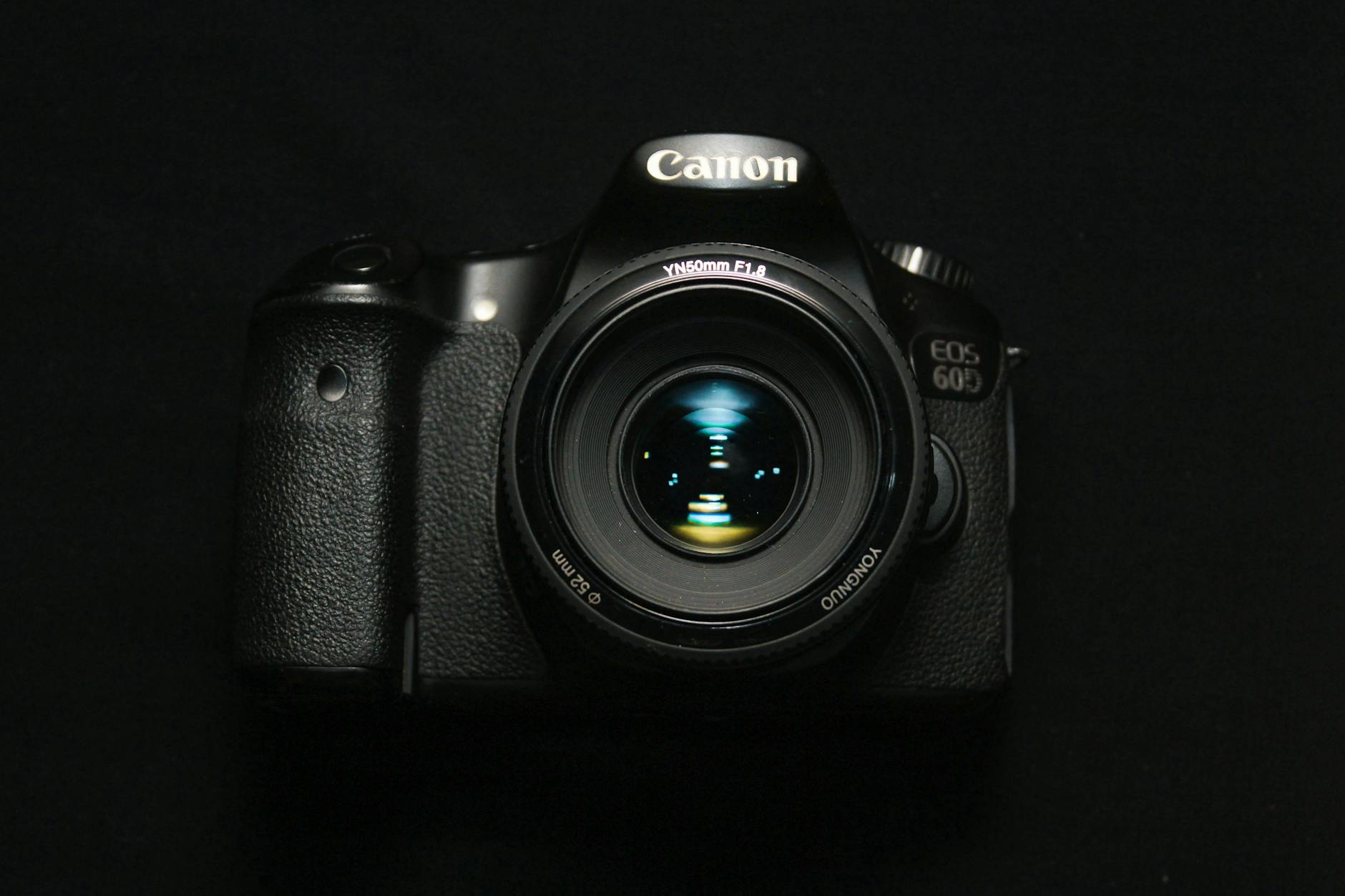
Photo by Sameer Kalani
Background and Setting Choices to Highlight Products
Where you place your product in the frame matters just as much as the lighting. The background sets the tone and affects how customers see your item at first glance.
- Plain Backgrounds:
Clean, neutral backdrops like white, gray, or pastel shades keep attention on the product itself. This style works well for detailed shots or when you want to highlight print designs clearly. It also looks consistent and professional in online stores or catalogs. - Lifestyle Settings:
Adding context with lifestyle or environmental backgrounds helps buyers picture how they might use the product. For instance, showing a printed mug on a cozy desk or a t-shirt on someone outdoors adds personality and relatability. However, a busy or cluttered background can distract, so keep props minimal and relevant.
Choosing the right background depends on your target audience and brand vibe.
If you’re going for a sleek, minimalist look, plain backgrounds are your best bet. For casual brands aiming for connection and warmth, lifestyle settings can make your products feel more desirable.
For those wanting creative ideas on backgrounds that work for product photography, check out this detailed post on Best Backgrounds for Product Photography that showcases a variety of fun and effective options.
Showcasing Product Variations and Customizations
Print on demand products often come in multiple colors, sizes, or styles. It’s essential to capture and present these options well so customers see what’s available and feel in control of their choice.
- Photograph Each Variation:
A simple photo of one color or design won’t cut it. Show every variation so customers know exactly what they’re picking. This includes different t-shirt colors, mug styles, or print placements. - Highlight Customizations:
If your POD item allows personalization (like names or dates), show examples of those too. Clear images of customized products make potential buyers more confident about ordering. - Use Group Shots and Close-Ups:
Grouping variations in one photo gives a quick peek at choices, while close-ups zoom in on unique features or quality. Both styles complement each other and provide a full picture.
Capturing product variations well makes your store feel complete and trustworthy. It prevents customer hesitation by answering “What if I want this in blue?” or “How will my custom text look?” right on the page.
A useful read is this article on Creative Ideas for Product Photography That Sells that dives into how showing variations boosts buying confidence.
Taking care with lighting, backgrounds, and a full display of product choices can dramatically raise the quality of your print on demand images. These techniques build trust, attract your right buyers, and make your POD store look sharp and professional.
For more detailed help on getting your POD business off the ground with effective product presentation, explore the Print on Demand Startup Guide for actionable steps and strategies.
The Role of Product Photography in POD Marketing and Sales
When you're running a print on demand business, product photography isn't just about showing off your designs. It's a powerful tool that affects every stage of your marketing and sales. Great photos help you stand out in crowded marketplaces, capture attention on social media, and keep customers coming back. Let’s break down how product images drive results across key areas of your POD business.
Leveraging Product Photos on E-Commerce Platforms
Think of your product photos as the front door to your online store. On marketplaces and POD platforms, every product listing competes for attention. Optimized photos that clearly showcase your product’s design, colors, and details give you a serious edge.
- Improved Click-Through Rates: Shoppers scroll quickly. A sharp, vibrant photo stops them in their tracks and encourages clicks.
- Better Conversion Rates: Detailed images build trust by answering questions visually — no one wants to buy a blurry or unclear product.
- Higher Search Rankings: Some platforms favor listings with high-quality photos, meaning your products show up before competitors.
Consider showing multiple angles, zoomed-in details, and lifestyle shots to give shoppers a full picture. These images highlight exactly what buyers get, reducing uncertainty and returns.
Using Product Images in Social Media Campaigns
Social media is where your product photography really shines. Striking images grab eyeballs instantly on feeds flooded with content. Whether you’re running paid ads or organic posts, top-notch photos help you:
- Attract Attention Quickly: Bold colors, real-life settings, and unique compositions stand out.
- Engage Customers Longer: People pause to look at well-crafted visuals, increasing the chance they’ll follow or visit your store.
- Boost Shares and Saves: Beautiful images get shared, boosting your reach without extra ad spend.
When you create photos tailored to each platform’s style and audience, your campaigns perform better. For actionable tips on social strategies for your POD business, check out these Print on Demand Social Media Strategies.

Photo by PNW Production
Improving Customer Retention with Visual Storytelling
Selling once is good. Selling repeatedly is even better. The secret? Using product photography beyond just listings—into newsletters, loyalty emails, and personalized messages.
- Visual Reminders: High-quality images in email campaigns keep your brand and products top of mind.
- Enhancing Loyalty Programs: Eye-catching photos make exclusive offers more appealing.
- Personalized Visual Content: Customized photos of recommended or new products make customers feel understood and valued.
Regularly weaving strong visuals into your customer communications encourages repeat purchases and builds long-term relationships. Taking this approach is easier with clear strategies supporting your retention goals — explore proven customer retention strategies here.
In all, product photography fuels print on demand success not just at point of sale, but throughout your customer journey. When your images are clear, engaging, and consistent, you’re setting your store up to grab attention, convert visitors, and keep customers coming back.
Common Challenges in POD Product Photography and How to Overcome Them
When it comes to print on demand (POD), product photography isn’t without its hurdles. Unlike traditional retail, POD sellers face unique challenges that can trip up even the savviest entrepreneurs. From sticking to tight budgets to managing unpredictable product variations, each obstacle demands smart solutions. The good news? You don’t need a Hollywood budget or fancy equipment to create winning images. Let’s explore some typical snags POD sellers run into, and more importantly, how to tackle them head-on.
Managing Limited Budgets for Professional Photography
Tight funds won’t stop you from creating product photos that look like a pro took them. Many POD sellers start small, and that’s okay. The trick is using what you have and focusing your efforts where it counts most.
Here are some accessible tips to get polished shots without breaking the bank:
- Use Natural Light: Shooting near a large window during daytime provides soft, flattering light. It beats relying on expensive studio lights and is completely free.
- Smartphone Cameras Work: Modern phones have surprisingly good cameras. Pair them with a steady tripod (even an affordable one) to avoid blurry shots.
- Affordable Backdrops: A plain wall or inexpensive foam boards covered with fabric make clean, distraction-free backgrounds.
- DIY Diffusers and Reflectors: White bedsheets can soften harsh sunlight, and a reflector made from aluminum foil taped to cardboard can bounce light nicely.
- Editing Apps: Free or low-cost apps like Snapseed or Lightroom Mobile can enhance brightness, sharpness, and color accuracy.
If you want a detailed plan to shoot pro-level images on a budget, this DIY product photography guide offers great step-by-step tips tailored for small businesses.
Starting simple, controlling your light, and keeping your setup consistent will get you far. Remember, consistency builds trust, and customers expect images that clearly show off what they’re buying.
Ensuring Accuracy in Color and Design Representation
Nothing kills a sale faster than a product image that overpromises. Customers want the product they see online to match what arrives at their door – especially with print on demand where designs are key.
Here’s how to nail accurate color and detail without guesswork:
- Use Proper Lighting: Natural daylight reveals true colors better than artificial bulbs. Avoid yellow or overly warm lights that distort hues.
- White Balance Settings: Adjusting your camera’s white balance helps keep colors natural and consistent across shots.
- Calibrate Your Monitor: If editing, ensure your screen displays accurate colors to prevent misleading edits.
- Capture Close-Ups: Show textures and fine details of prints or fabric to reassure buyers of quality.
- Test Prints: Order samples periodically to compare photos with real products. Adjust lighting or editing accordingly.
Getting colors right means fewer returns and happier customers. If you want to dive deeper into color accuracy, consider this overview on print on demand mistakes to avoid, which highlights pitfalls in product representation.
Handling Print-on-Demand Product Variability
Print on demand products come from external suppliers, meaning slight differences from one batch to another are inevitable. From minor shifts in print placement to texture variations, managing expectations here is key.
Try these strategies to keep your images and customer experience aligned:
- Showcase Real Product Photos: Use photos of actual printed samples rather than just mockups to set accurate expectations.
- Highlight Variability in Descriptions: Clearly mention possible variations in print or color to prepare customers upfront.
- Maintain a Product Sample Library: Keep updated samples from your suppliers and photograph new batches regularly.
- Use Multiple Angles and Close-Ups: This lets customers see the nuances and feel more confident about what they’ll receive.
- Ask for Feedback: Encourage buyers to share photos and experiences for continuous quality checks and to build social proof.
Authentic photos that embrace product variability communicate honesty. They reduce surprises and build trust, which is gold for POD sellers competing on quality perception.

Photo by Pixabay
If you’re building a print on demand business and want to keep things tight on budget while staying accurate, mastering these tips will go a long way. For practical insights on balancing quality with POD challenges, check this article on common challenges in POD business.
Taking control of these common product photography issues puts you in a stronger spot to outshine competitors and build customer loyalty with pictures that truly sell.
Conclusion
Effective product photography is not just a nice addition for your print on demand store—it’s a must-have. Sharp, clear images build trust, highlight product quality, and help your brand stick in customers’ minds. Without good photos, even the best designs can get lost in the crowd. Prioritizing your product images can boost both sales and loyalty, giving your POD business a solid foundation to grow.
If you’re ready to take your print on demand venture further, start by focusing on how you present your products visually. For a practical step-by-step to launch or scale your POD business, explore this How to Start Your Print On Demand Business. It’s time to put great photography to work and watch your sales follow.












0 Comments